
The House That Never Dies
2014
No user ratings available yet
Representation score: 3.3 out of 10
Representation Score
Good
2018
Director
Yixi Sun
Runtime
106 minutes
Average Rating
No ratings yetNew Showbiz Analysis
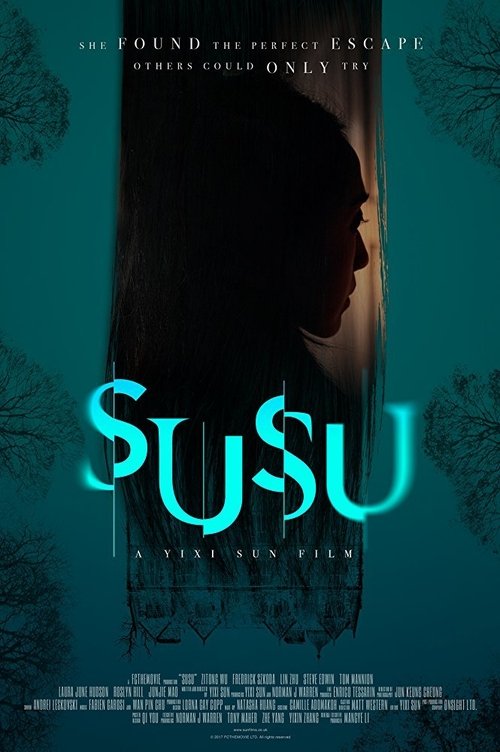
Susu is a sophisticated subversion of the gothic horror genre. By placing Chinese protagonists and the stylized tradition of Kunqu Opera within an English countryside mansion, the film disrupts Western-centric clichés and colonial-coded settings. The narrative prioritizes women's ability to drive the plot and psychological depth over traditional victimhood. It uses cultural displacement to critique inherited power structures and historical legacies, making it a culturally multi-layered experience. While the film excels in racial and cultural integration, it lacks explicit representation of LGBTQ+ identities or disability.
Category Breakdown
The film explores emotional connections and psychological complexities. While it avoids explicitly depicting non-straight relationships, it moves beyond conventional romantic structures.
The story centers on women's ability to drive the plot and their interior lives. Two women navigate a high-stakes environment, challenging traditional male-dominated horror narratives.
Chinese protagonists inhabit a heritage English setting, subverting Anglo-Saxon norms. This displacement challenges the historical dominance of Western spaces.
Kunqu Opera provides a non-Western aesthetic framework. The film uses this traditional art form to navigate themes of memory and trauma.
There is no evidence regarding the portrayal of physical or neurodivergent disabilities.
Present on Screen
Limited or Absent
Official Synopsis
Two Chinese girls take a film transcription job at a heritage English countryside mansion. Discovering entangled family secrets about the Kunqu Opera star Susu, they find it almost impossible to escape, physically and emotionally.
2014
2019
2017
2019

2019

2018
2013

2021
No reviews yet. Be the first to share your thoughts on this movie!
Use the rating form above to leave a star rating and optional review.