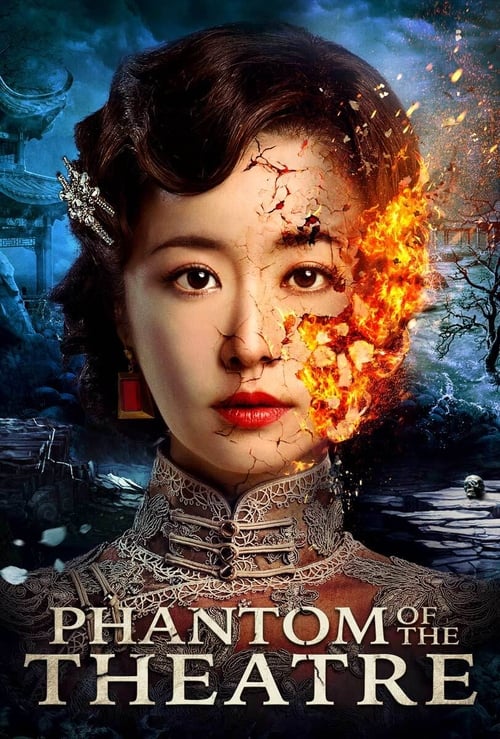
Phantom of the Theatre
2016
No user ratings available yet
Representation score: 5.6 out of 10
Representation Score
Limited
2014
Director
Raymond Yip Wai-Man
Runtime
90 minutes
Average Rating
No ratings yetNew Showbiz Analysis
The film excels in ethnic authenticity and cultural specificity, grounding its horror and romance in a deeply Chinese historical context. By centering the resistance against imperial forces, it provides a strong sense of ethnic ability to act and avoids Western-centric historical clichés. However, the film adheres to traditional social structures. While women hold central roles, their arcs do not actively seek to challenge established gender hierarchies or social norms. Ultimately, the work focuses on regional historical trauma and classical melodrama rather than addressing underrepresented identities.
Category Breakdown
The film follows a traditional romantic mystery framework without depicting any non-binary gender identities or same-sex relationships, adhering to conventional expectations.
Female protagonists like Xu Ruoqing play significant roles in navigating high-stakes supernatural environments. However, their influence operates within the constraints of wartime heroism and romantic melodrama.
The production showcases high cultural authenticity with a predominantly Chinese cast. The setting avoids whitewashing by centering local folklore and national struggle.
The narrative prioritizes the Chinese experience by framing the struggle against Japanese occupation as a central moral pillar. It explores historical trauma and patriotism through a haunted setting.
There is no significant evidence regarding the portrayal of visible or invisible disabilities. The narrative focus remains on the supernatural and the historical political landscape.
Present on Screen
Limited or Absent
Official Synopsis
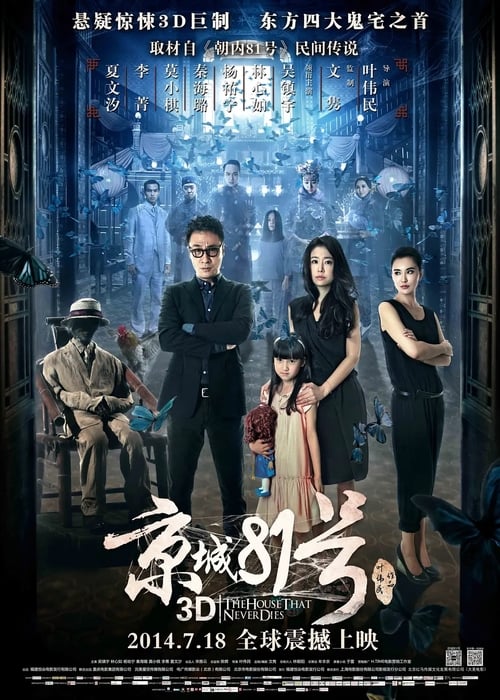
Story based on the legendary mansion at No. 81 on Chaoyangmennei Street in Beijing, which local legend says is haunted by the ghost of a Kuomintang official's wife, who committed suicide in the home around the time of the Cultural Revolution. The film follows Xu Ruoqing a woman whose presence in the notorious mansion draws up the spirits that have taken residence there.
2016
2019
2013

1989
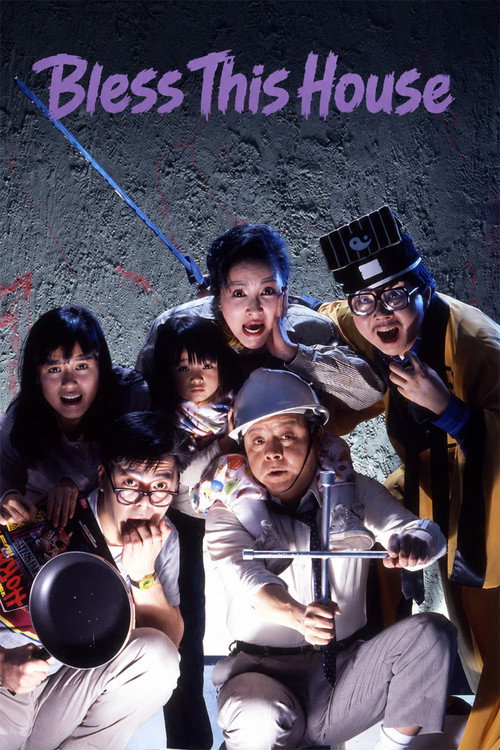
1988
1994
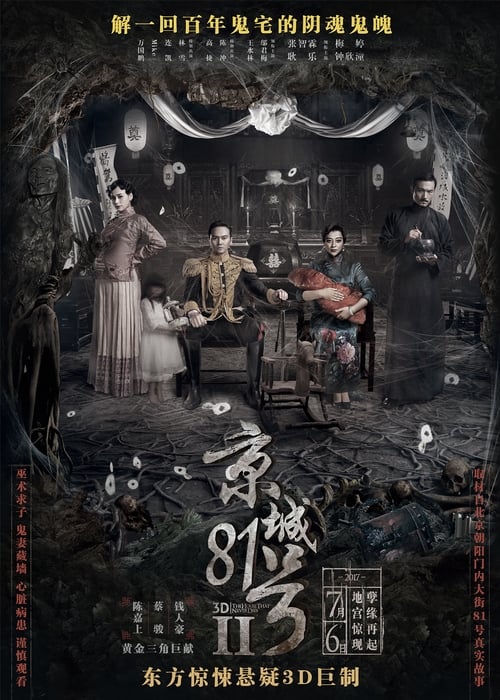
2017
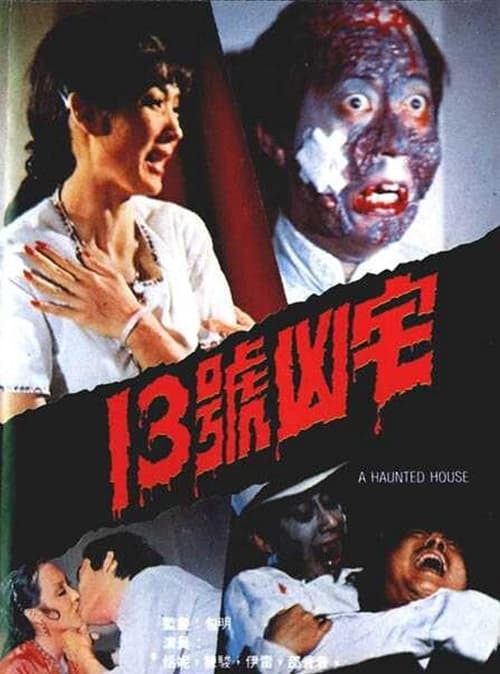
1975
No reviews yet. Be the first to share your thoughts on this movie!
Use the rating form above to leave a star rating and optional review.