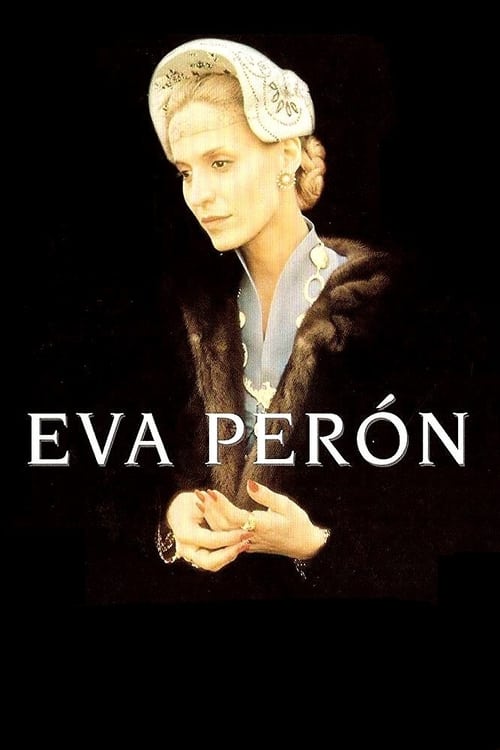
Eva Perón
1996
No user ratings available yet
Representation score: 4.7 out of 10
No Poster Available
Representation Score
Good
1996
TV-14Average Rating
No ratings yetNew Showbiz Analysis
The documentary succeeds by deconstructing traditional power structures and centering a woman's role within a patriarchal political landscape. It presents the protagonist as a disruptor of established social and economic hierarchies, offering a sophisticated critique of systemic power. However, the film remains limited by its historical context, lacking LGBTQ+ representation and treating disability primarily as a biographical tragedy rather than a lens for ability to act. While it captures class friction, the focus remains largely within a stratified, Eurocentric social framework.
Category Breakdown
The documentary focuses on mid-20th-century Argentine political history and does not include any LGBTQ+ characters or narratives about queer themes.
The film highlights Eva Perón's rise from a underrepresented actress to a powerful political leader, emphasizing her role in challenging patriarchal structures in male-dominated spaces.
The narrative explores tensions between the European-descended elite and the working-class 'descamisados.' It avoids whitewashing by focusing on the struggles of the underrepresented working class.
The film portrays the Peronist movement as a challenge to the established oligarchy and the Catholic Church. It explores the secularization of political legitimacy against traditional institutions.
Eva Perón’s struggle with terminal cancer is shown as a personal reality, humanizing her through her physical vulnerability rather than providing a platform for disability ability to act.
Present on Screen
Limited or Absent
Official Synopsis
Eva Duarte de Peron ("Evita") is one of the most controversial figures in history. A minor actress when she married Argentine president-to-be Juan Peron, her political power and prestige eventually equaled his. Was she a power-hungry Marie Antoinette? Or was she really the savior of the working poor? In this documentary, rare photographs and films tell Evita's real story, from her humble birth to her tragic death from cancer at 33.
1996
2017
1965
1996
2019

2020

2021
2011
No reviews yet. Be the first to share your thoughts on this movie!
Use the rating form above to leave a star rating and optional review.