Kaos
1984
No user ratings available yet
Representation score: 5.5 out of 10
Representation Score
Good
2015
RDirector
Matteo Garrone
Runtime
134 minutes
Average Rating
No ratings yetNew Showbiz Analysis
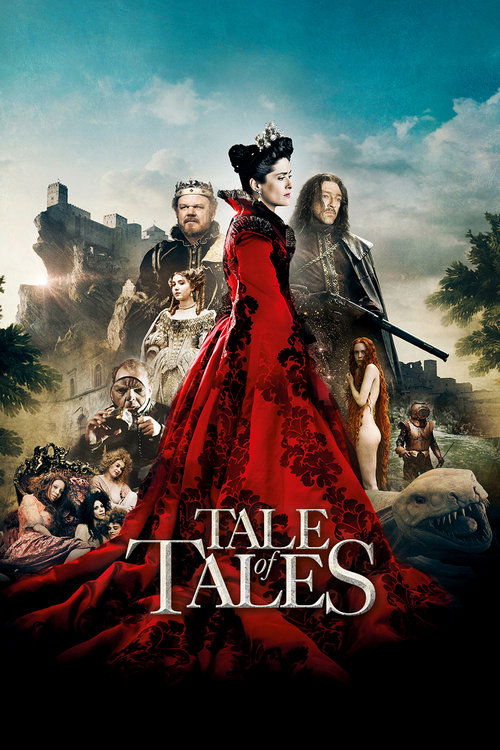
Matteo Garrone’s *Tale of Tales* is a visceral exploration of human obsession that prioritizes the subversion of moral hierarchies over demographic variety. It succeeds in deconstructing traditional Western institutions, presenting a world where social order and religious morality are portrayed as capricious or destructive. While the film offers a progressive look at women's ability to drive the story and the 'monstrous' body, it remains limited by its narrow focus on reproductive drives and lineage. The lack of LGBTQ+ and racial diversity keeps the score low in those specific categories. Ultimately, the film is a study of primal instinct. It trades conventional representation for a postmodern, subjective morality that challenges the sanctity of the family and the state.
Category Breakdown
The film focuses almost entirely on reproductive drives and lineage, with no representation of non-straight or non-cisgender identities. There is no critique of traditional structures related to sexual or gender identity.
Women play significant roles that defy traditional submissiveness, often through grotesque actions. However, they are also frequently subjects of male obsession, creating a tension between their autonomy and victimization.
The casting remains largely homogeneous within a surrealist European landscape. The film does not actively engage in race-bending or the intentional inclusion of non-Anglo-Saxon identities.
The film deconstructs Western institutions such as monarchy and religious morality, replacing traditional concepts of good and evil with primal instincts and situational survival.
Physical transformation, illness, and aging are explored through a lens of ability to act rather than pity, serving as metaphors for human frailty and psychological obsession.
Present on Screen
Limited or Absent
Official Synopsis
The Queen of Selvascura risks everything to be a mother; the King of Roccaforte falls in love with the voice of a mysterious girl; the King of Altomonte becomes obsessed with a flea and neglects his daughter.
1984
1974
2015
2007

1993
1984
2019
2011
No reviews yet. Be the first to share your thoughts on this movie!
Use the rating form above to leave a star rating and optional review.