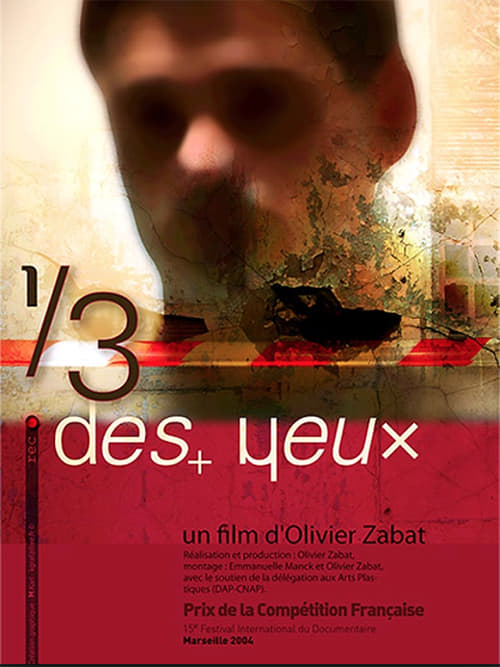
1/3 des yeux
2005
No user ratings available yet
Representation score: 7.3 out of 10
No Poster Available
Representation Score
Excellent
1997
Director
Stephen Dwoskin
Runtime
80 minutes
Average Rating
No ratings yetNew Showbiz Analysis
Stephen Dwoskin’s experimental documentary succeeds in disrupting conventional social hierarchies by prioritizing visceral, subjective experience over structured narrative. By focusing on the raw intersections of physical sensation, the film moves away from rigid social constructs. The work excels at deconstructing traditional gender hierarchies and conventions that assume everyone is straight through its emphasis on bodily fluidity. It offers a progressive viewing experience that values the individual's internal truth over external institutional authority. However, the film's lack of explicit political framing or specific identity codification limits its impact. While it avoids many mainstream clichés, it does not center specific underrepresented identities as primary drivers of the narrative.
Category Breakdown
The film explores intimacy through non-traditional sexual dynamics and challenges typical romantic clichés. Though identities aren’t explicitly defined, the focus on fluid pleasure and pain suggests a strong sense of queer-coded intimacy.
Gender is explored through physical strength and vulnerability rather than social roles. The film deconstructs traditional power dynamics by presenting masculinity and femininity as fluid, sensory experiences.
The work utilizes a diverse, non-professional cast that avoids mainstream Western homogeneity. It aims for a globalized human portrait, though it lacks explicit political framing of identity.
The narrative rejects institutionalized moralities in favor of moral relativism and secularism. It prioritizes personal, unmediated experience over collective social norms or religious authority.
Pain is treated as a universal existential reality rather than a specific identity. The film avoids clichés like inspiration porn, focusing instead on the body's shared limitations.
Present on Screen
Limited or Absent
Official Synopsis
The film is just this kind wandering through the personal ways and whys of different kinds of pain in different kinds of people. The film searches through the many levels of pain and finds it in its unique position between disaster and pleasure. Pain is..thus plunges us instantly into the midst of controversy and the unknown.
2005

1978
1974

2011

2023

2022

2018

2006
No reviews yet. Be the first to share your thoughts on this movie!
Use the rating form above to leave a star rating and optional review.