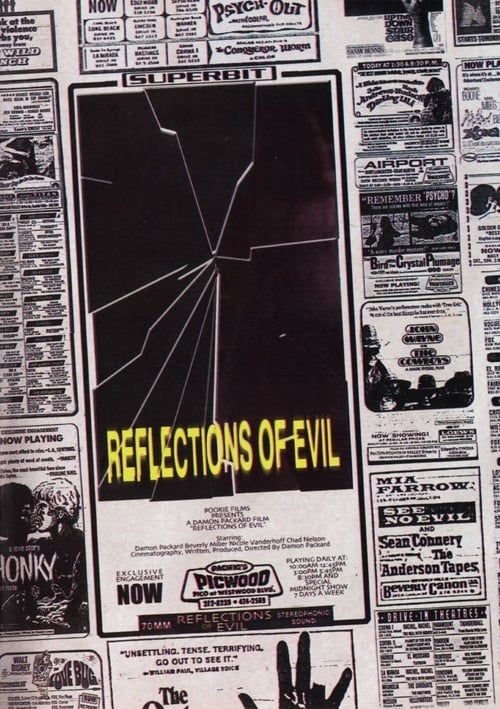
Reflections of Evil
2002
No user ratings available yet
Representation score: 6.0 out of 10
Representation Score
Good
1989
RDirector
Larry Peerce
Runtime
112 minutes
Average Rating
No ratings yetNew Showbiz Analysis
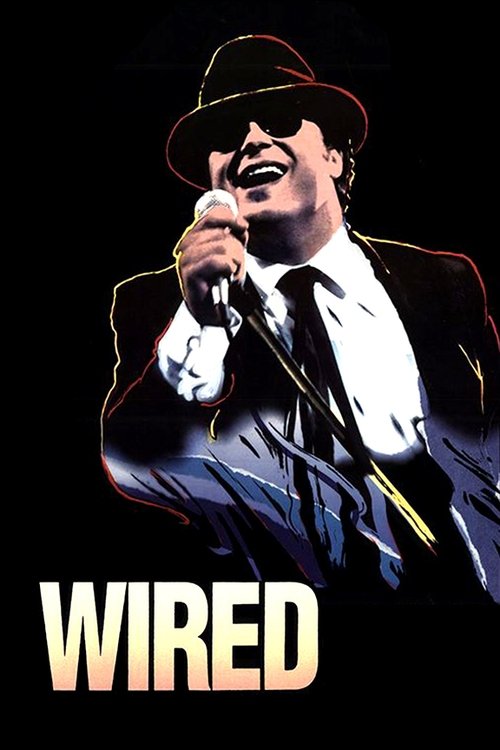
Wired serves as a social drama that focuses on systemic issues rather than individual identity politics. It challenges traditional social hierarchies by depicting a shared descent into addiction that transcends gender power dynamics. However, the film lacks depth in exploring specific identities, such as LGBTQ+ narratives or nuanced neurodivergence. Instead, character struggles are primarily seen as symptoms of a deteriorating technocratic society. Ultimately, the film's strength lies in its refusal to offer a stable moral center, choosing instead to examine how hyper-capitalism and technology affect individuals and communities.
Category Breakdown
The film does not prominently feature LGBTQ+ stories or non-cisgender identities. There are no queer-coded characters or same-sex relationships that drive the plot.
The narrative disrupts traditional hierarchies by presenting a landscape of shared vulnerability. Men and women are depicted as equally susceptible to the destabilizing effects of addiction, neutralizing conventional power dynamics.
The film showcases a diverse group of young people in a high-tech urban setting, avoiding the homogeneity found in older films. Race is not used as a central plot device.
The story critiques consumerist and technological systems by framing addiction as a symptom of a hyper-capitalist society. It challenges the stability of Western institutions and the nuclear family.
Addiction is explored through both psychological and physical decline, but disability is not a central identity. Characters' conditions are treated as symptoms of their environment rather than detailed explorations of neurodivergence.
Present on Screen
Limited or Absent
Official Synopsis
The ghost of John Belushi looks back on his troubled life and career.
2002
1991
1987

1989

2015
1993

2025
1991
No reviews yet. Be the first to share your thoughts on this movie!
Use the rating form above to leave a star rating and optional review.