
La regola d'oro
2021
No user ratings available yet
Representation score: 8.1 out of 10
Representation Score
Excellent
2021
Director
Mario Vitale
Runtime
100 minutes
Average Rating
No ratings yetNew Showbiz Analysis
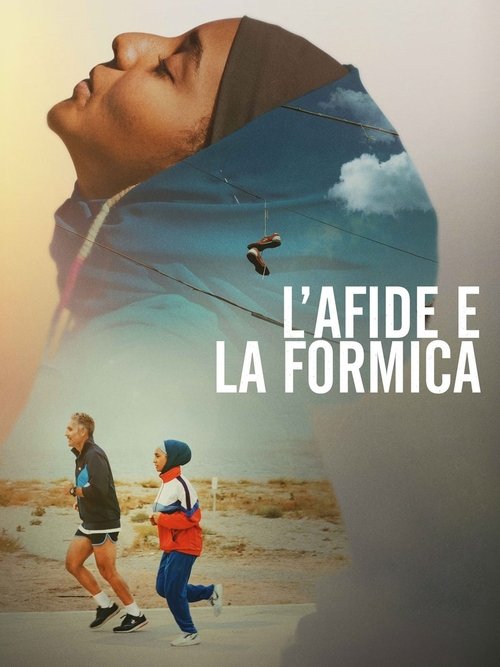
The Aphid and the Ant succeeds as a nuanced character study that disrupts Mediterranean social clichés. By centering a Muslim girl navigating secularism in Southern Italy, the film offers a rich, multi-layered perspective on identity and belonging. While the film lacks explicit LGBTQ+ representation, it compensates through a sophisticated subversion of gender roles. The portrayal of a vulnerable, emotionally tormented male lead provides a refreshing departure from traditional patriarchal archetypes. Ultimately, the film's strength lies in its exploration of the friction between religious tradition and individual ability to act. It uses the marathon as a catalyst for both personal growth and social commentary.
Category Breakdown
The film focuses on failed romantic connections and interpersonal emotions but lacks explicit representation of diverse gender identities or queer-coded subtext.
The story centers on a young female protagonist seeking ability to act through physical exertion. It also challenges traditional masculinity by portraying the male lead as a vulnerable, emotionally tormented figure.
The narrative provides high multi-layered complexity by centering a Muslim protagonist in Calabria. It challenges homogeneous European social structures through this non-Anglo-Saxon family dynamic.
The film explores the friction between religious imposition and individual liberation. It portrays the tension between traditional cultural institutions and the protagonist's desire for self-actualization.
Mental health is addressed through Michele’s depression and psychological torment. These elements provide a window into neurodivergent struggles, though they remain secondary to the central cultural conflict.
Present on Screen
Limited or Absent
Official Synopsis
Fatima is 16 years old and wears a veil. Her culture requires it, and her mother Amina imposes it on her. Born in Calabria to Muslim parents, the girl experiences all the conflicts and emotions typical of her age, but feels she is not like her peers: she is closed in her solitude, constantly out of place. Until one day the physical education teacher, Michele Scimone, suggests his students to sign up for the Sant'Antonio Marathon. For Fatima it is the first real opportunity to be seized. But for the teacher, a shy and depressed former runner, tormented by an unresolved past and a failed relationship with Anna, the veil that Fatima wears is a cause of prejudice.
2021
1997

2020

2021

2019
2021
2012

2016
No reviews yet. Be the first to share your thoughts on this movie!
Use the rating form above to leave a star rating and optional review.