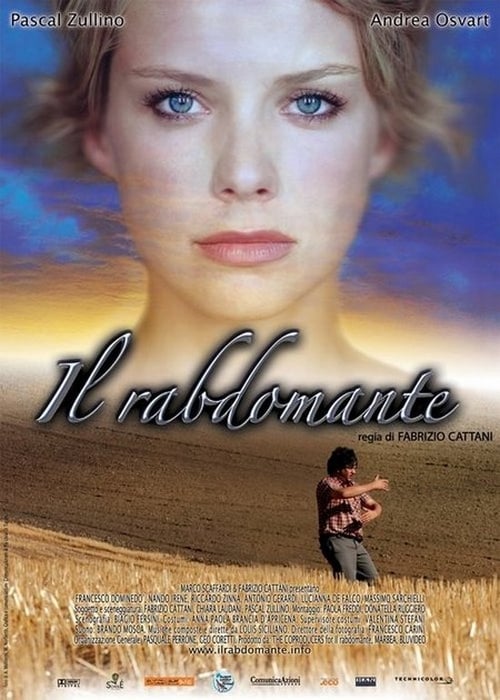
Il rabdomante
2007
No user ratings available yet
Representation score: 5.0 out of 10
Representation Score
Fair
2012
Director
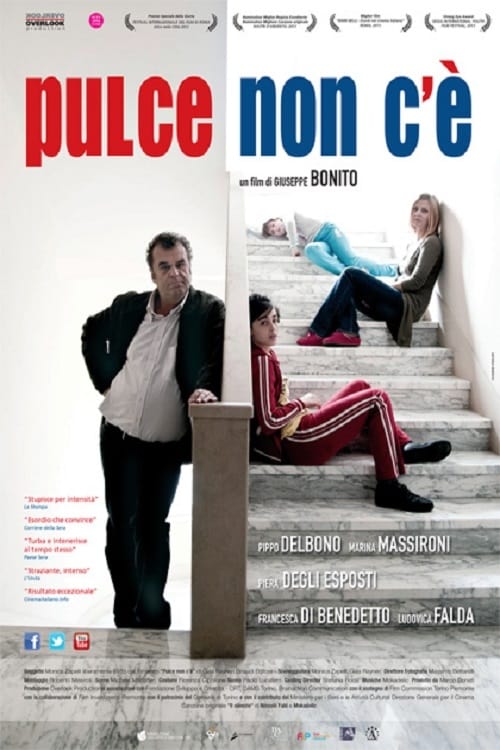
Giuseppe Bonito
Runtime
0 minutes
Average Rating
No ratings yetNew Showbiz Analysis
Pulce non c'è is a specialized drama that finds its strength in its focus on neurodivergent ability to act. By centering the narrative on a daughter with learning disabilities, the film explores the friction between underrepresented individuals and the state institutions meant to govern them. While the film offers a meaningful critique of institutional authority and the trauma of state intervention, it lacks breadth in other areas. There is no visible representation of LGBTQ+ identities or significant racial diversity within the provided context. Ultimately, the film succeeds as a focused study of familial autonomy and disability, even if it remains narrow in its broader social scope.
Category Breakdown
The film does not include any LGBTQ+ characters or stories that address non-assuming gender matches what was assigned at birth identities. It focuses solely on neurodivergence and traditional family structures.
The story emphasizes emotional resilience and parental roles during a crisis. It moves away from stoic patriarchal figures toward deeper emotional involvement.
As an Italian production, the film operates within a specific localized context. It lacks evidence of a diverse or non-Anglo-Saxon majority cast.
The story critiques institutional power by portraying state authorities as disruptive forces. It prioritizes organic familial bonds over rigid external legal or social structures.
A character with learning disabilities is central to the plot and drives the conflict. Her experience serves as a lens to examine systemic vulnerability.
Present on Screen
Limited or Absent
Official Synopsis
The strength of an Italian family is tested when the youngest daughter, a girl with learning disabilities, is taken away by the authorities under the terrible suspect of abuses. A film that captures the silent struggle and the unconditional love that families like this experience every day.
2007
1997
2015

2011

2020

2008
2016
1998
No reviews yet. Be the first to share your thoughts on this movie!
Use the rating form above to leave a star rating and optional review.