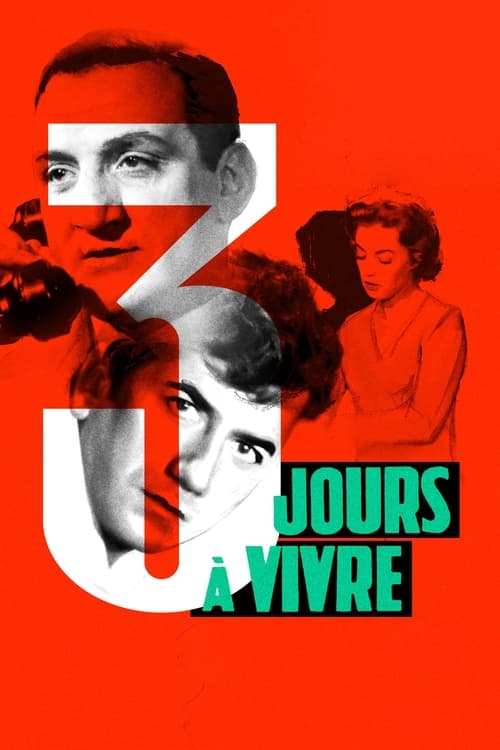
Three Days to Live
1958
No user ratings available yet
Diversity score: 2.7 out of 10

1982
Director
Guy Gilles
Runtime
90 minutes
Average Rating
No ratings yetSynopsis
To emerge from anonymity, a young man assumes responsibility for a crime he did not commit.
Overall Score
Limited
Category Breakdown
LGBTQ+ Representation
The film adheres to heteronormative romantic structures. There is no evidence of queer narratives or non-cisnormative gender identities present in the story.
Gender Representation
The narrative disrupts traditional masculine leadership by focusing on psychological volatility. It presents a fluid and complex interplay of power within the romantic relationship.
Racial & Ethnic Diversity
Set within a homogeneous Parisian intellectual milieu, the film lacks a multi-ethnic cast. It reflects the traditional Western urban demographics common in era-specific art-house cinema.
Religious & Cultural Diversity
The story prioritizes personal passion and moral relativism over institutional morality. This focus on obsession suggests a deconstruction of traditional social and legal frameworks.
Disability Representation
The film focuses on the emotional states of able-bodied protagonists. There is no evidence of characters with visible or invisible disabilities central to the narrative.
Strengths
Areas for Improvement
AI Analysis
Guy Gilles delivers a psychological character study that prioritizes subjective experience over rigid plot mechanics. The film finds its strength in subverting traditional domestic roles and exploring the instability of interpersonal power dynamics. However, the work remains largely conventional regarding its social demographics. It lacks intersectional breadth, offering a narrow view of identity that aligns with the socio-cultural constraints of 1980s French cinema. Ultimately, while the film challenges social order through its themes of obsession, it fails to provide meaningful representation for diverse racial, sexual, or physical identities.
1958

2012

1993

1999

2012

1951
1968

1928

1967

2007

2020

1954
No reviews yet. Be the first to share your thoughts on this movie!
Use the rating form above to leave a star rating and optional review.