
Ring Around the Rosie
2006
No user ratings available yet
Diversity score: 3.9 out of 10
2018
Director
Charlie Steeds
Runtime
117 minutes
Average Rating
No ratings yetSynopsis
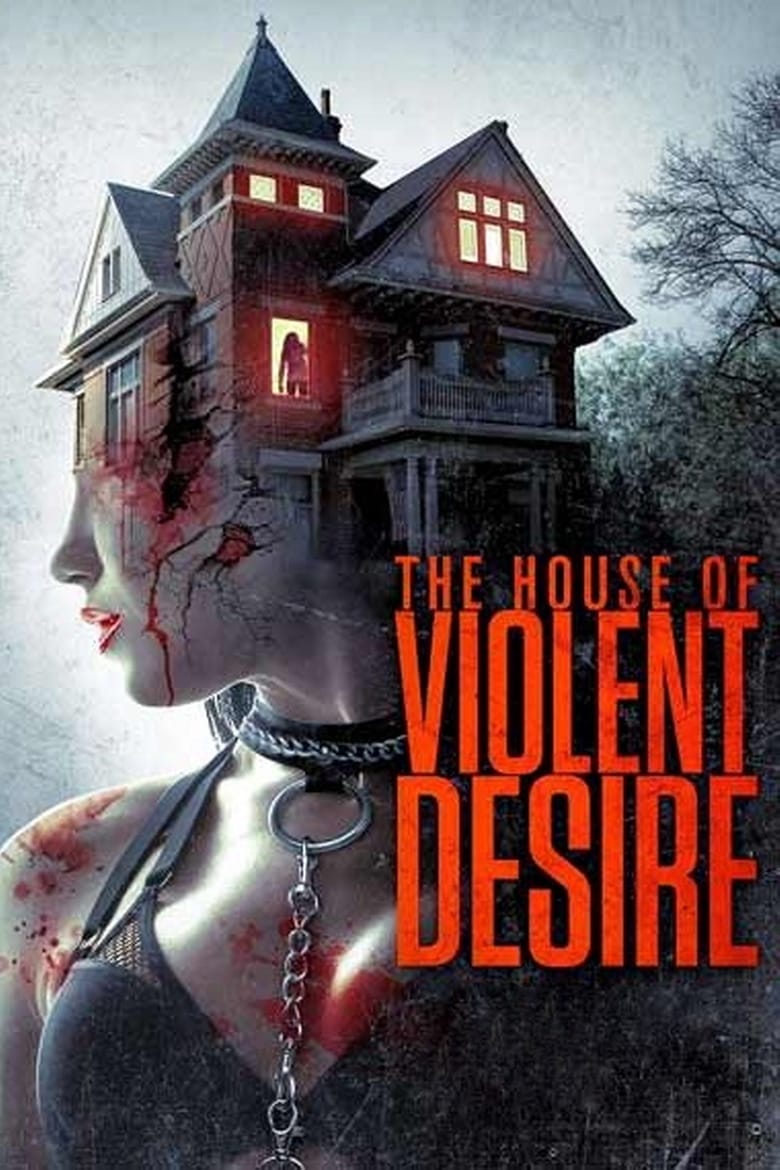
Awoken by screams in the night, young Evelyn Whipley is found drenched in blood and mysteriously bound to the bed - A Gothic Horror set in the 1940s, a psychosexual thriller disguised as traditional Ghost Story.
Overall Score
Limited
Category Breakdown
LGBTQ+ Representation
The film's psychosexual framing suggests a potential for exploring non-normative desires. However, there is no explicit evidence of queer characters or narratives that challenge heteronormativity.
Gender Representation
Evelyn Whipley serves as a central female protagonist in a position of intense vulnerability. The psychosexual elements may subvert traditional Gothic tropes regarding passive female roles.
Racial & Ethnic Diversity
Set in the 1940s, the film likely adheres to the era's demographic constraints. There is no evidence of diverse casting or a non-Anglo-Saxon majority.
Religious & Cultural Diversity
The Gothic framework explores ambiguous morality and the darker side of human nature. It lacks an overt critique of Western institutions or secularist themes.
Disability Representation
The narrative contains no mention of characters navigating physical, neurodivergent, or mental health disabilities.
Strengths
Areas for Improvement
AI Analysis
The House of Violent Desire functions primarily as a genre-driven Gothic thriller. While the psychosexual themes offer a framework for exploring unconventional power dynamics and desire, the film remains rooted in traditional genre storytelling. The 1940s setting and Gothic tropes suggest a likely adherence to historical demographic norms, with little evidence of intersectional casting. The focus remains on psychological tension rather than systemic social critique. Ultimately, the film utilizes mystery and subjective morality to drive its narrative, but it lacks verifiable evidence of intentional representation across most diversity categories.
2006
2025
1969
2009

1966
2015
1928
2025
2016
2017

2015
2013
No reviews yet. Be the first to share your thoughts on this movie!
Use the rating form above to leave a star rating and optional review.