
Ralph Breaks the Internet
2018
No user ratings available yet
Representation score: 8.6 out of 10
Representation Score
Good
2012
PGDirector
Rich Moore
Runtime
101 minutes
Average Rating
No ratings yetNew Showbiz Analysis
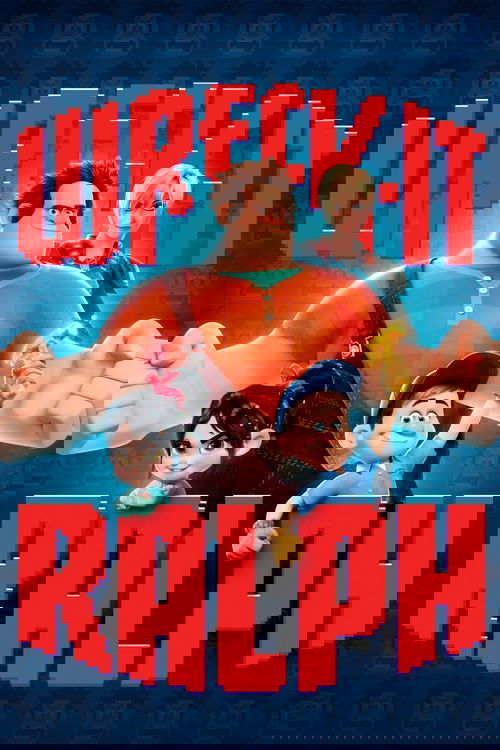
Wreck-It Ralph succeeds by deconstructing the hero/villain binary, framing identity as something that exists outside of systemic programming. This approach challenges traditional social structures and promotes self-actualization. The film's strength lies in its subversion of gendered clichés and its sophisticated use of metaphor to represent underrepresented identities. Vanellope’s character, in particular, provides a nuanced look at navigating a world not built for your specific 'programming.' However, the film remains limited by its lack of explicit LGBTQ+ representation and its reliance on digital metaphors rather than overt racial or ethnic diversity.
Category Breakdown
The film does not include explicit LGBTQ+ characters or non-assuming gender matches what was assigned at birth identities. Themes of otherness are explored through the concept of a 'glitch,' but these are framed through systemic functionality rather than sexual orientation.
Vanellope von Schweetz and Sergeant Calhoun provide strong, actively leading female leads that subvert traditional archetypes. The film passes the Bechdel test through meaningful dialogue between women regarding survival and strategy.
Diversity is expressed metaphorically through various gaming species and genres rather than traditional ethnic markers. This digital essence serves as a unique, postmodern proxy for a multicultural society.
The story critiques rigid social hierarchies through the 'Bad-Anon' group. It frames the struggle for self-determination against predetermined, programmed roles as a central moral virtue.
Vanellope’s glitch functions as a metaphor for neurodivergence or invisible disabilities. Rather than a flaw to be fixed, her condition becomes a unique tool for her own choices.
Present on Screen
Limited or Absent
Official Synopsis
Wreck-It Ralph is the 9-foot-tall, 643-pound villain of an arcade video game named Fix-It Felix Jr., in which the game's titular hero fixes buildings that Ralph destroys. Wanting to prove he can be a good guy and not just a villain, Ralph escapes his game and lands in Hero's Duty, a first-person shooter where he helps the game's hero battle against alien invaders. He later enters Sugar Rush, a kart racing game set on tracks made of candies, cookies and other sweets. There, Ralph meets Vanellope von Schweetz who has learned that her game is faced with a dire threat that could affect the entire arcade, and one that Ralph may have inadvertently started.
2018

2014
2006
2005
2014

2014
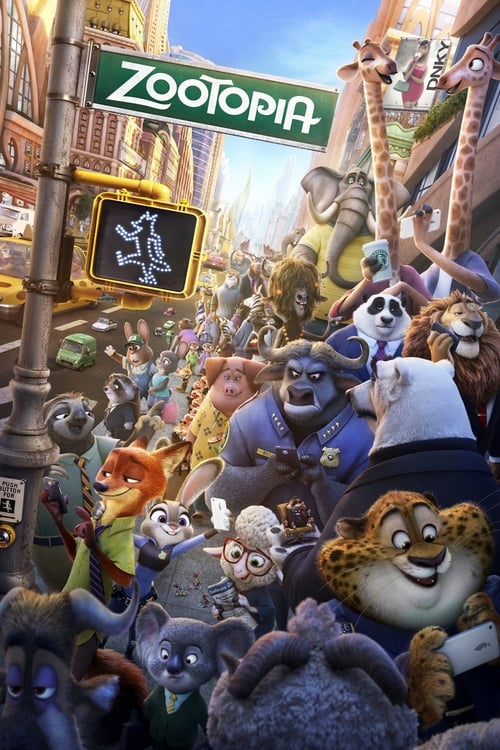
2016
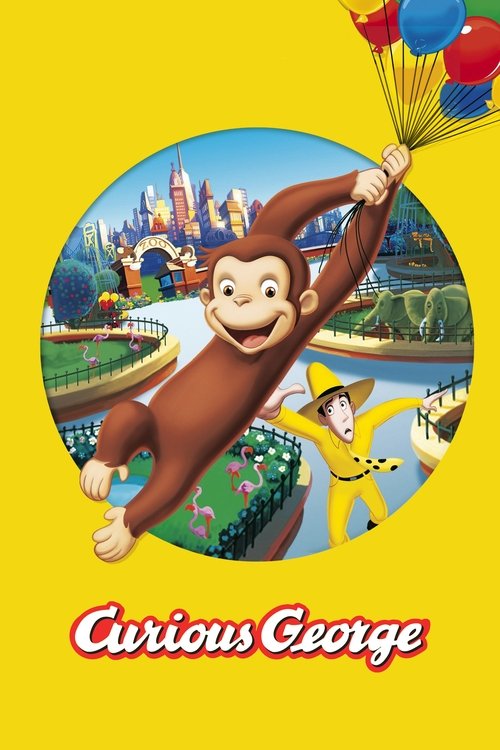
2006
No reviews yet. Be the first to share your thoughts on this movie!
Use the rating form above to leave a star rating and optional review.