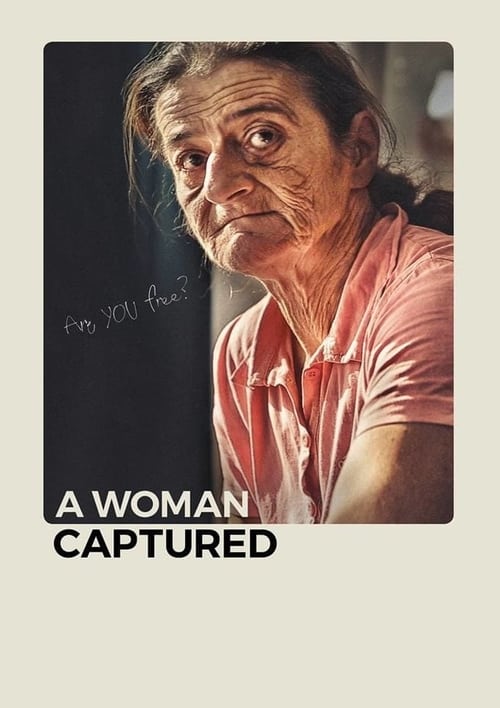
A Woman Captured
2017
No user ratings available yet
Diversity score: 6.8 out of 10
No Poster Available
2013
Director
Kirk Marcolina, Matthew Pond
Runtime
73 minutes
Average Rating
No ratings yetSynopsis
How does a poor, single, African-American mother from segregated 1950s America wind up as one of the worlds most notorious jewel thieves? A glamorous 81-year-old, Doris Payne is as unapologetic today about the nearly $2 million in jewels shes stolen over a 60-year career as she was the day she stole her first carat. With Payne now on trial for the theft of a department store diamond ring, filmmakers Kirk Marcolina and Matthew Pond probe beneath her consummate smile to uncover the secrets of her trade and what drove her to a life of crime. Stylish recreations, an extensive archive and candid interviews reveal how Payne managed to jet-set her way into any Cartier or Tiffanys from Monte Carlo to Japan and walk out with small fortunes. This sensational portrait exposes a rebel who defies societys prejudices and pinches her own version of the American Dream while she steals your heart.
Overall Score
Good
Category Breakdown
LGBTQ+ Representation
The film contains no LGBTQ+ characters or narratives. The story focuses exclusively on the protagonist's personal history and criminal career.
Gender Representation
The narrative subverts traditional gender hierarchies by centering a woman who uses femininity as a tactical tool. Payne's intellect and social grace drive her agency rather than domesticity.
Racial & Ethnic Diversity
The film highlights a Black female protagonist successfully infiltrating white, affluent spaces like Cartier and Tiffany & Co. It offers a nuanced look at navigating racial and socioeconomic barriers.
Religious & Cultural Diversity
The documentary presents Payne's larceny as a complex pursuit of a self-defined American Dream. It critiques capitalist structures by showcasing her ability to exploit high-wealth retail environments.
Disability Representation
There is no significant evidence regarding the portrayal of physical or neurodivergent disabilities in this work.
Strengths
Areas for Improvement
AI Analysis
The film excels by centering a Black female protagonist who possesses immense agency. She successfully navigates and subverts the expectations of predominantly white, high-wealth capitalist spaces through social mastery. While the documentary lacks LGBTQ+ or disability-specific narratives, it provides a sophisticated deconstruction of traditional gender roles. It frames the protagonist's life as a complex negotiation with systemic socioeconomic constraints. The portrayal of Payne as a rebel who defies societal prejudices offers a nuanced perspective on individual liberation versus institutional morality.
2017
2012

2014
2012

2022

2017

2004

2018

2019
2015
2019
2013
No reviews yet. Be the first to share your thoughts on this movie!
Use the rating form above to leave a star rating and optional review.