
Space Battleship Yamato
1977
No user ratings available yet
Representation score: 2.8 out of 10

Representation Score
Fair
1988
Director
Shigenori Kageyama
Runtime
54 minutes
Average Rating
No ratings yetNew Showbiz Analysis
The film sets a mythic backdrop to explore a world fractured by nuclear war, challenging traditional societal structures and progress-oriented narratives. While the thematic framework offers a progressive critique of modern industrial civilization, specific character-level details are limited. The narrative focuses on a universalized, spiritual exploration of survival rather than explicit social identity politics. Ultimately, the film's strength lies in its deconstruction of established state powers and its focus on mythic rebirth within a ruined landscape.
Category Breakdown
The film follows a neutral approach common in 1980s adventure animation. It doesn't explicitly address non-straight or non-cisgender identities and lacks specific critiques of the assumption that everyone is straight.
The post-apocalyptic setting hints at a shift towards survival-focused social orders, which might disrupt traditional gender roles. However, there are no verified examples of women taking a leading role in the story.
Set in a post-nuclear world, the film's mythic storytelling suggests a potential for a diverse cast that goes beyond Anglo-centric frameworks. However, specific details about racial diversity are not provided.
The film critiques industrial civilization by focusing on a mythic entity, emphasizing spiritual or subjective meaning over traditional Western institutional stability and progress.
There is no specific mention of characters with physical, sensory, or neurodivergent traits in the film.
Present on Screen
Limited or Absent
Official Synopsis
The legend of Watt Poe, a mysterious whale said to give happiness, in a world destroyed many years ago by a nuclear war
1977

1986

1988

1986

1985
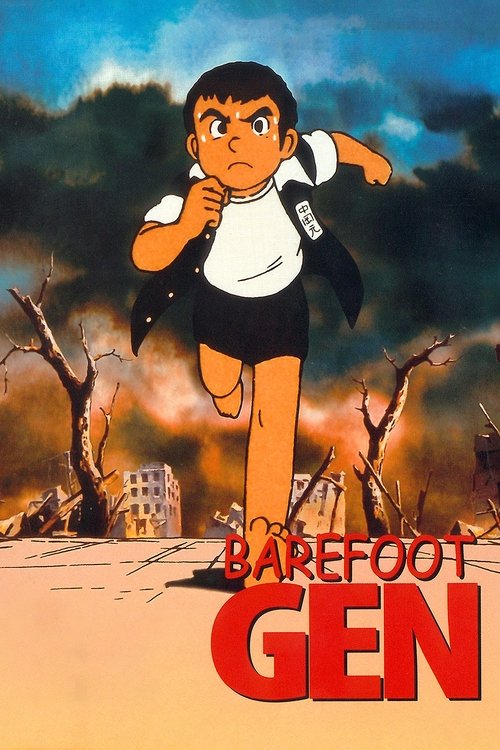
1983

1979

1984
No reviews yet. Be the first to share your thoughts on this movie!
Use the rating form above to leave a star rating and optional review.