National Security
2003
No user ratings available yet
Representation score: 1.6 out of 10
Representation Score
Minimal
1986
PG-13Director
Mark L. Lester
Runtime
88 minutes
Average Rating
No ratings yetNew Showbiz Analysis
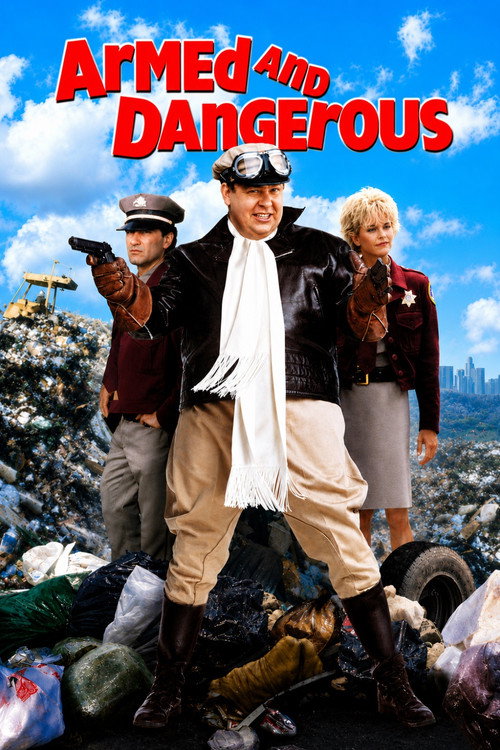
Armed and Dangerous is a typical genre piece that relies on well-worn action-comedy clichés. It aligns with the commercial standards of mid-1980s cinema. The film does not aim to challenge existing power structures. Instead, it sticks to a homogeneous cast and traditional gender dynamics that support current societal norms. While the plot touches on union and corporate corruption, the resolution centers on individual vigilantism rather than addressing systemic problems.
Category Breakdown
The film follows a conventional storyline that assumes everyone is straight and cisgender. There is no representation of LGBTQ+ identities or themes.
The story revolves around a male-dominated buddy-cop dynamic where women play minor supporting roles while men take charge of the main actions.
The casting is primarily white, reflecting the typical demographics of 1980s urban action films. The setting emphasizes a traditional Anglo-centric viewpoint.
The narrative criticizes institutional bureaucracy through the rogue cop cliché. However, it focuses on individual heroism rather than addressing systemic issues.
There are no visible or hidden disabilities shown. The film does not include any neurodivergent or physical disability representation.
Present on Screen
Limited or Absent
Official Synopsis
After policeman Frank Dooley is framed for theft and loses his job on the force, he joins a security guard agency and teams up with inept former defense lawyer Norman Kane. When the two botch a job guarding a local warehouse, they begin to uncover corruption within the company and their union.
2003

1984
1987
1986
1987
1988
1994

1974
No reviews yet. Be the first to share your thoughts on this movie!
Use the rating form above to leave a star rating and optional review.