
The Pope of Greenwich Village
1984
No user ratings available yet
Representation score: 4.5 out of 10
Representation Score
Limited
1995
RDirector
Joseph Ruben
Runtime
110 minutes
Average Rating
No ratings yetNew Showbiz Analysis
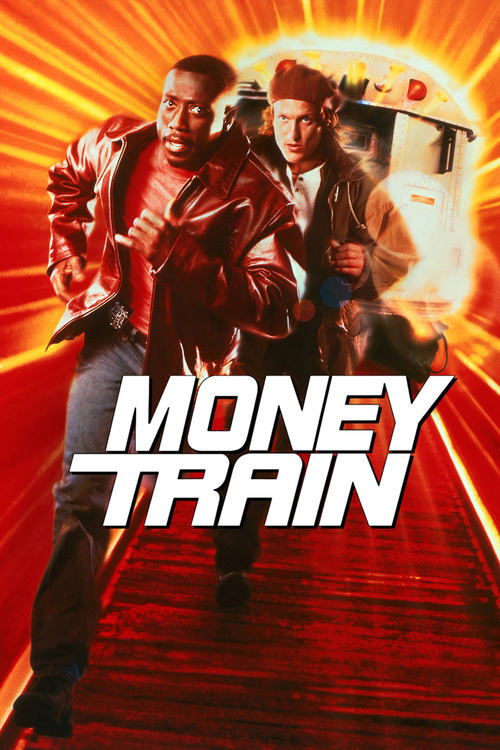
Money Train is a quintessential product of its era, prioritizing high-octane genre clichés over social subversion. Its primary strength lies in its racial representation, specifically through Wesley Snipes' central role, which offered a level of Black ability to act uncommon in 90s mainstream action. However, the film remains heavily imbalanced in its social dynamics. It functions as a male-centric heist narrative where women are relegated to the sidelines and LGBTQ+ or disabled identities are entirely absent from the screen. Ultimately, while the film breaks certain racial molds for its time, it reinforces traditional masculine archetypes and maintains a standard, uncritical view of authority and economic structures.
Category Breakdown
The film follows a strict assumption that everyone is straight or cisgender, typical of 1990s action cinema. There are no LGBTQ+ characters or challenges to assuming gender matches what was assigned at birth structures.
Men primarily drive the plot, especially those in law enforcement and criminal roles. Women play minor roles and rarely influence the main storyline.
Wesley Snipes offers significant representation as a Black lead character, breaking the norm of predominantly white leads in major studio action films of the era.
The story focuses on the movement of money within a capitalist framework, without critiquing Western institutions or religious themes.
There are no characters with visible or invisible disabilities. The narrative does not address neurodivergence or physical impairments.
Present on Screen
Limited or Absent
Official Synopsis
When a vengeful New York transit cop decides to steal a trainload of subway fares, his foster brother—a fellow cop—tries to protect him.
1984
1986
1994

1974

1987
1990
1999

1997
No reviews yet. Be the first to share your thoughts on this movie!
Use the rating form above to leave a star rating and optional review.