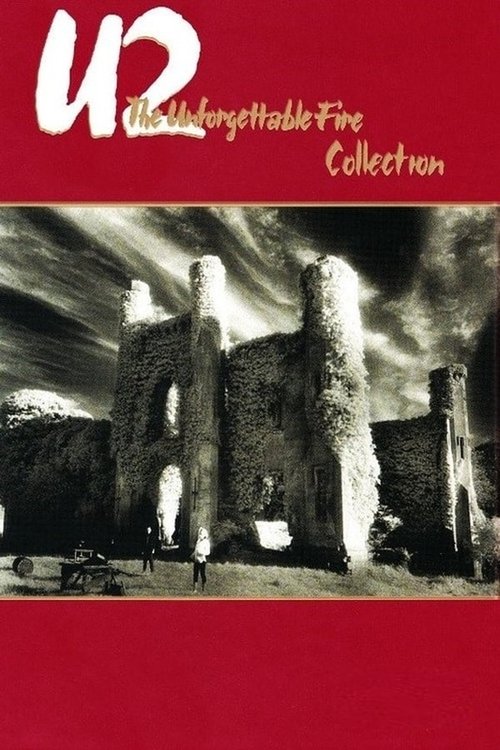
U2 - The Unforgettable Fire Collection
1984
No user ratings available yet
Representation score: 3.1 out of 10
Representation Score
Minimal
1991
Director
Albert Maysles, Kathy Dougherty, Susan Froemke
Runtime
83 minutes
Average Rating
No ratings yetNew Showbiz Analysis
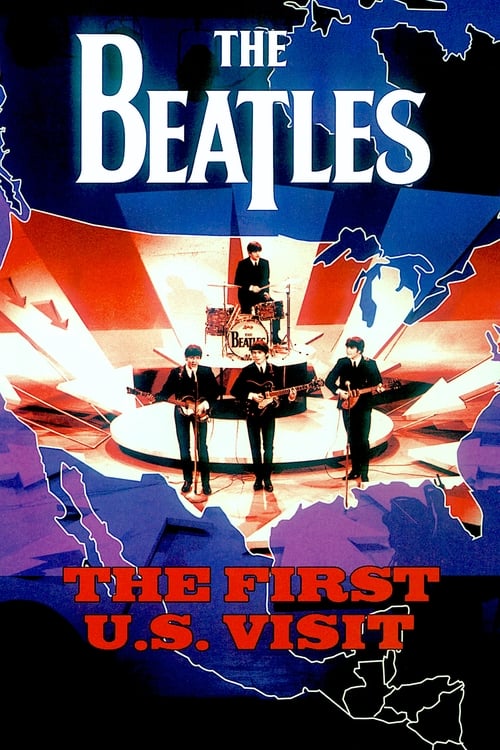
The documentary serves as a high-fidelity historical reconstruction of 1964, prioritizing archival authenticity over modern progressive representation. Because it captures a specific moment in Western pop culture, the lack of diversity is a reflection of the era's social structures rather than a lack of cinematic quality. The film's focus remains strictly on the Beatles and the immediate phenomenon of Beatlemania. This results in a narrative that is demographically homogeneous and adheres to the conventions of the early 1960s. While the Maysles brothers' observational style provides an intimate look at the band, the content itself lacks representation of multiple aspects of diversity. The work functions as a temporal window into a specific, limited cultural landscape.
Category Breakdown
The archival footage focuses on the band's immediate circle and the 1964 media landscape. There are no documented LGBTQ+ characters or narratives addressing queer themes.
While the Beatles drive the narrative, the film captures the intense role of female fans. However, this is often framed through the era's cliché of female hysteria.
The film reflects the demographic homogeneity of the era's mainstream media. The band and visible fan base are predominantly white and Anglo-Saxon.
The documentary celebrates a landmark moment in Western media history. It reinforces the success of the Western pop model without questioning Western institutions.
The footage does not feature individuals with visible or invisible disabilities. It does not address neurodivergence or mental health through a representative lens.
Present on Screen
Limited or Absent
Official Synopsis
The Beatles First US Visit uniquely chronicles the inside story of the two remarkable weeks when Beatlemania first ignited America. The pioneering Maysles Brothers who filmed at the shoulders of John, Paul, George and Ringo, innovated an intimate documentary style of film-making which set the benchmark for rock and roll cinematography that remains to this day.
1984
2021

2000
2011

2024
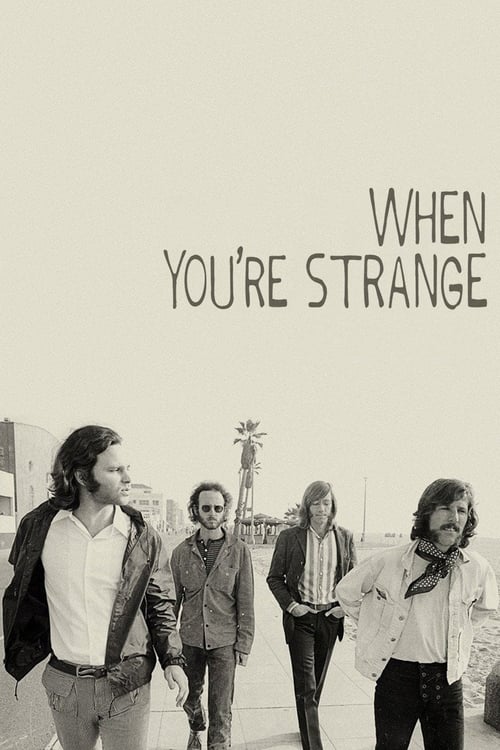
2010
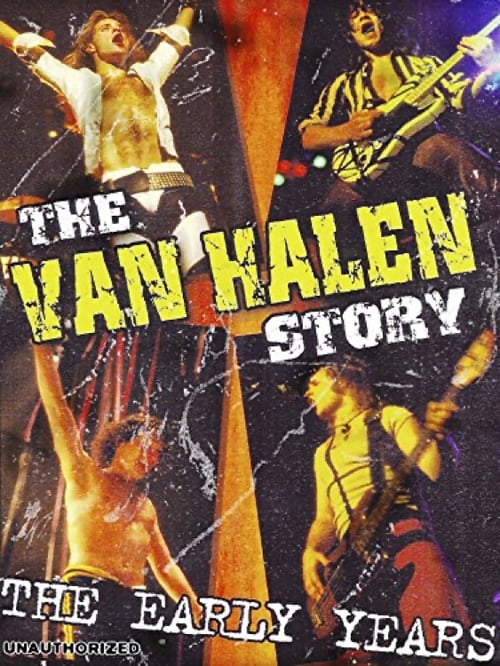
2003
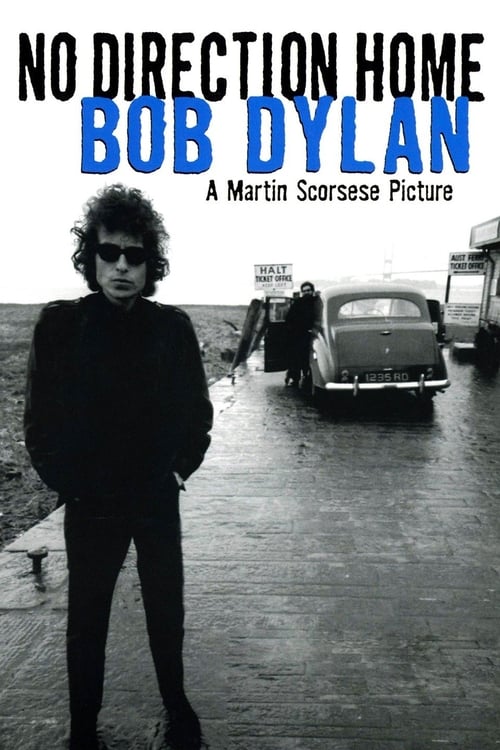
2005
No reviews yet. Be the first to share your thoughts on this movie!
Use the rating form above to leave a star rating and optional review.