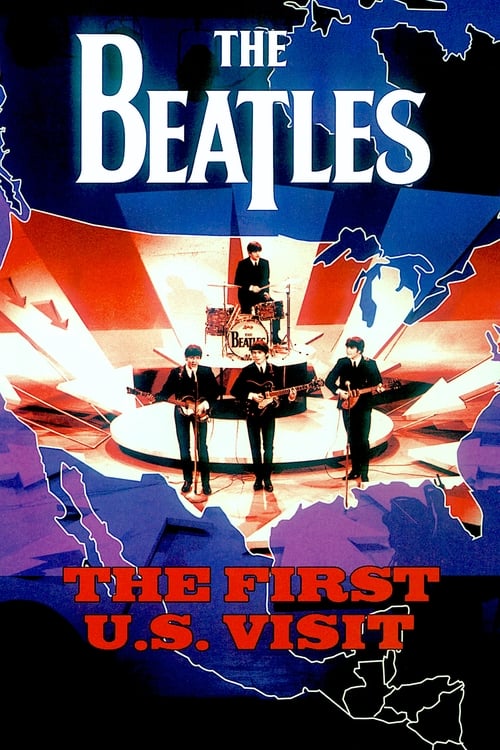
The Beatles: The First U.S. Visit
1991
No user ratings available yet
Representation score: 0.4 out of 10
Representation Score
Minimal
2001
TV-GDirector
Jock Hedblade
Runtime
30 minutes
Average Rating
No ratings yetNew Showbiz Analysis
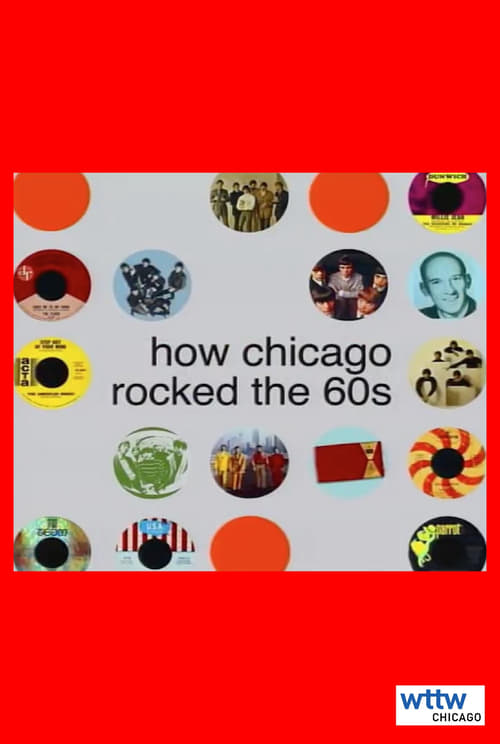
How Chicago Rocked the 60s acts as a specialized historical document rather than an inclusive social study. It prioritizes the specific lineage of the British Invasion and the subsequent white, male-dominated garage rock scene in Chicago. The film's narrow lens captures a specific cultural phenomenon but fails to address the broader, more diverse musical landscape of the era. By focusing on a homogeneous demographic, it misses the multi-layered realities of the 1960s. Ultimately, the documentary serves as a period-accurate look at a specific subculture, though it lacks representation for underrepresented groups and diverse musical influences.
Category Breakdown
The documentary lacks LGBTQ+ characters or narratives that challenge the assumption that everyone is straight or cisgender. It focuses on the traditional rock-and-roll demographic.
The narrative centers on a male-dominated garage band culture, emphasizing young, white males. Women are not given much ability to act or subversion of musical gender norms.
The film maintains a homogeneous focus on Anglo-centric musical influences and does not integrate Chicago's diverse racial landscape or the influence of Black musical pioneers.
This work functions as a nostalgic retrospective of Western pop culture during the 1960s. It celebrates traditional milestones and the expansion of mainstream rock and roll.
There is no mention of subjects or characters with visible or invisible disabilities within the film's scope.
Present on Screen
Limited or Absent
Official Synopsis
It all began when the Beatles landed in America, on February 7, 1964. Their arrival heralded the beginning of the "British Invasion," and rock and roll would never be the same. American teenagers listened to their transistor radios or 45 rpm records, and it seemed as though every young, white high-school-age male wanted to start a band. Soon, new rock and roll groups were coming together, playing in garages, basements and living rooms all around Chicago.
1991
1994
2011
2016
2004
1981
2003
2016
No reviews yet. Be the first to share your thoughts on this movie!
Use the rating form above to leave a star rating and optional review.