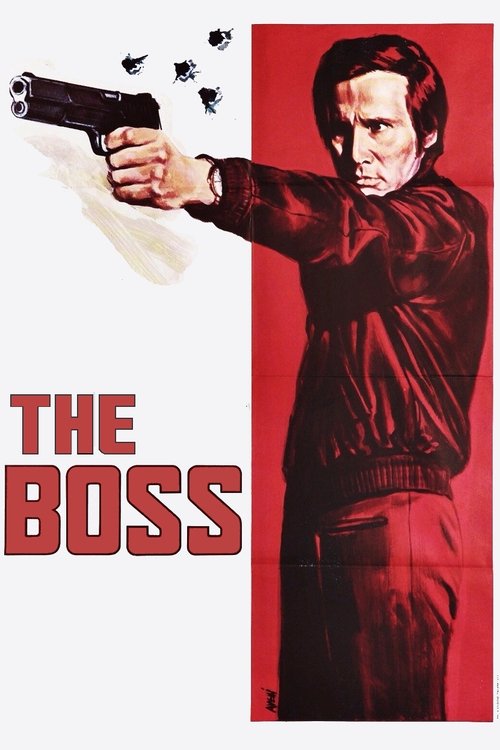
The Boss
1973
No user ratings available yet
Diversity score: 1.6 out of 10
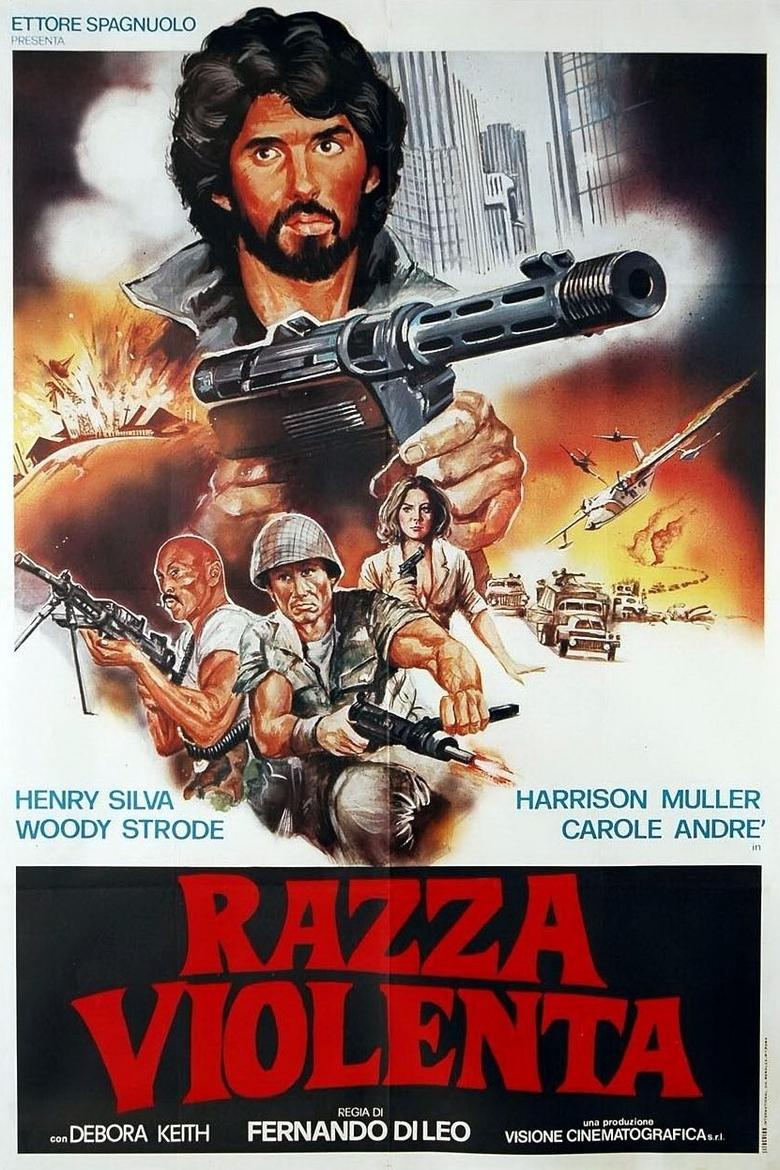
1984
Director
Fernando Di Leo
Runtime
91 minutes
Average Rating
No ratings yetSynopsis
A military group led by Henry Silva and Woody Strode are bound by their honor, to execute their orders to kill as many enemies as possible.
Overall Score
Limited
Category Breakdown
LGBTQ+ Representation
The film operates within a hyper-masculine framework. There are no LGBTQ+ characters or narratives addressing non-cisnormative identities.
Gender Representation
The narrative is almost exclusively male-dominated. Women serve as secondary figures rather than agents of change, reinforcing traditional masculine hierarchies.
Racial & Ethnic Diversity
Casting Woody Strode, Henry Silva, and Tomas Milian provides racial heterogeneity. However, these identities function within conventional genre tropes rather than challenging casting norms.
Religious & Cultural Diversity
The film depicts a world where law and crime are porous. It suggests a skepticism toward state authority and Western legal institutions.
Disability Representation
There is no representation of physical, sensory, or neurodivergent disabilities. Characters are defined solely by their capacity for violence and survival.
Strengths
Areas for Improvement
AI Analysis
The film is a quintessential crime thriller that prioritizes nihilism and genre mechanics over social representation. It presents a gritty, morally ambiguous landscape that avoids idealized social structures but remains tethered to traditional power dynamics. While the casting offers some racial heterogeneity through actors like Woody Strode, the film lacks intentionality regarding gender, sexuality, or disability. It functions as a study of systemic corruption rather than a vehicle for progressive identity politics.
1973
1984

1997
1995
1987
1978
1978
1998
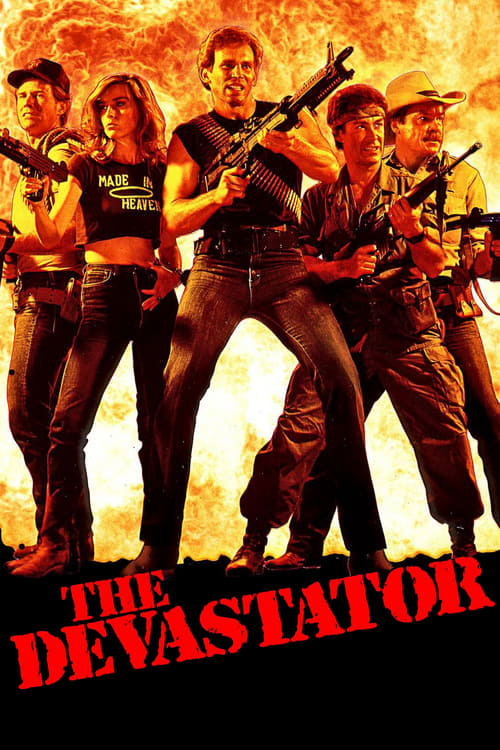
1986
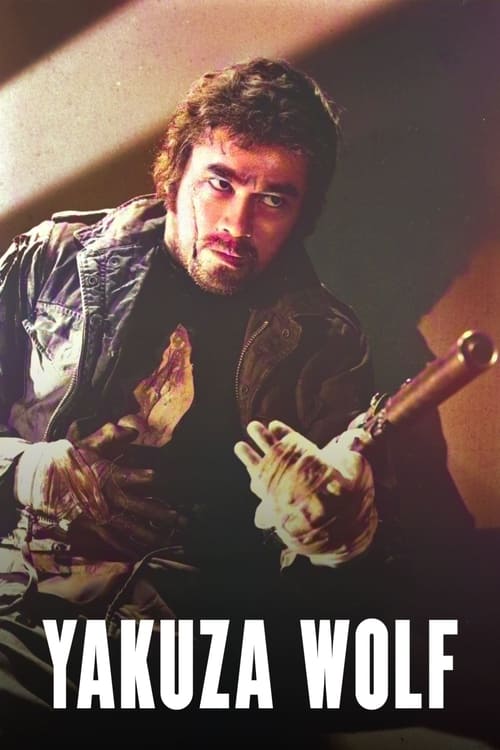
1972
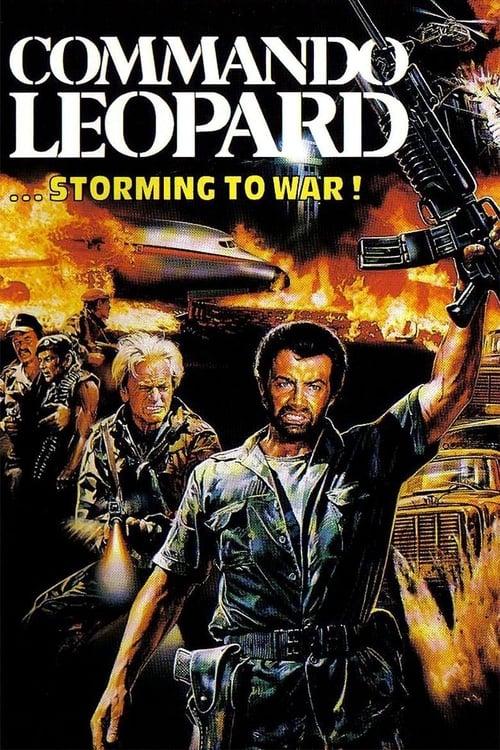
1985
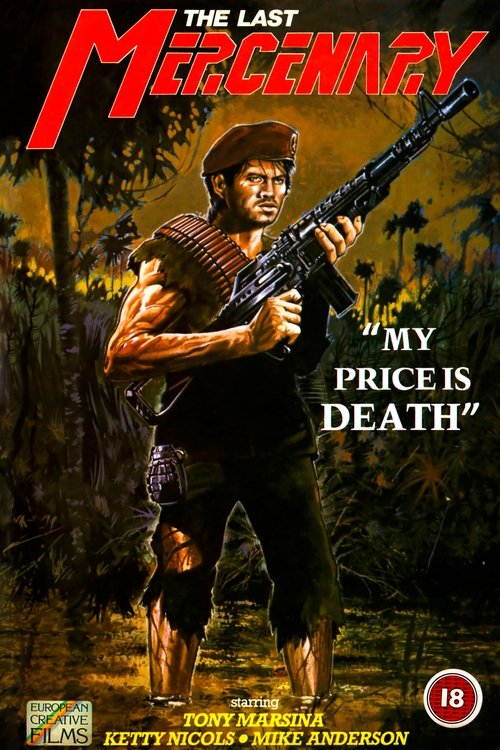
1984
No reviews yet. Be the first to share your thoughts on this movie!
Use the rating form above to leave a star rating and optional review.