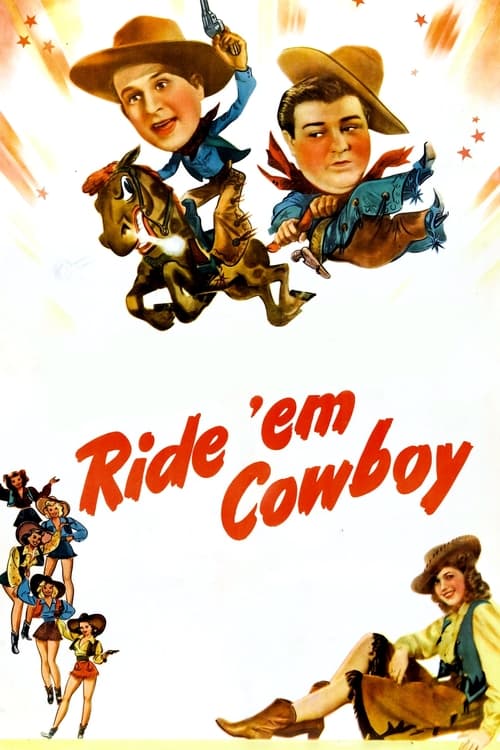
Ride 'Em Cowboy
1942
No user ratings available yet
Diversity score: 2.1 out of 10
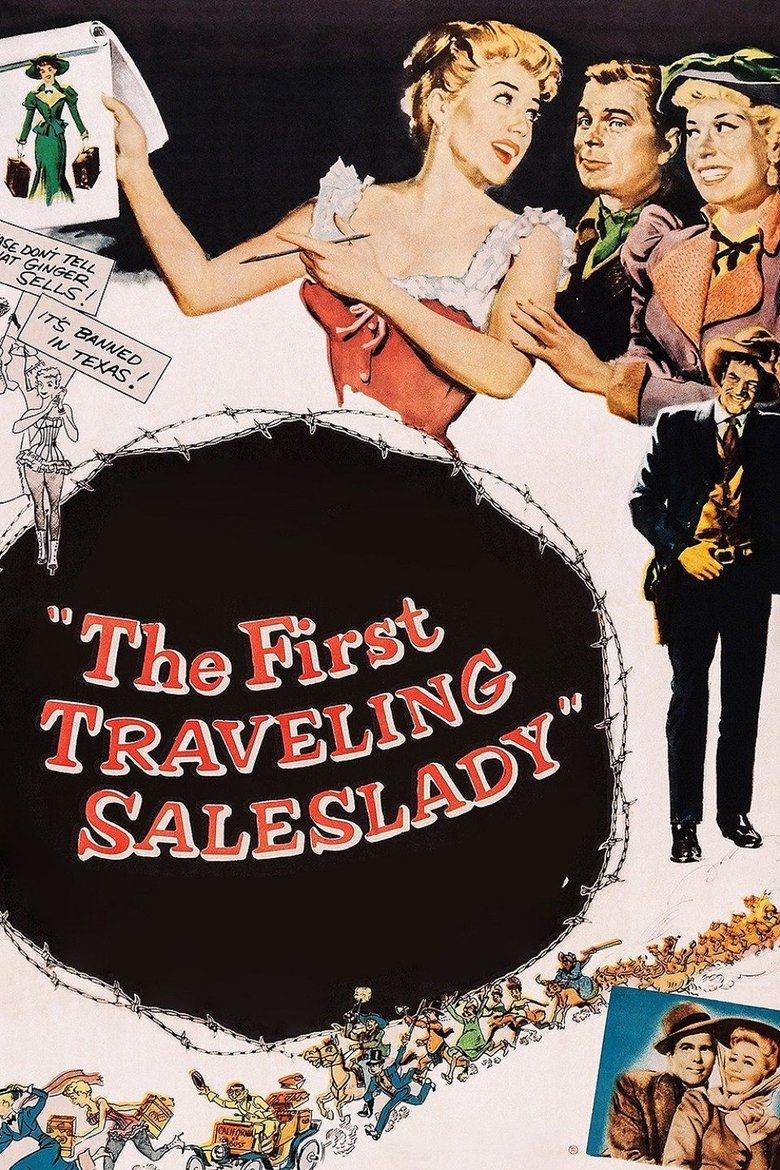
1956
Director
Arthur Lubin
Runtime
92 minutes
Average Rating
No ratings yetSynopsis
At the turn of the century Rose and ex-showbiz friend Molly get involved in selling steel. When they come unstuck with corsets they embark on the even more hazardous project of selling barbed wire to highly suspicious Texas cowboys.
Overall Score
Limited
Category Breakdown
LGBTQ+ Representation
The film adheres to the heteronormative social structures of the 1950s. There are no non-cisnormative gender identities or same-sex romantic dynamics present in the narrative.
Gender Representation
The story disrupts Western genre norms by centering on female agency. Polly Baker's pursuit of economic independence in a male-dominated marketplace challenges traditional 19th-century domesticity.
Racial & Ethnic Diversity
The film features a predominantly white cast, reflecting the homogeneous demographic portrayals common in mid-century Westerns. It does not utilize color-blind casting or present a diverse ethnic landscape.
Religious & Cultural Diversity
The plot drives forward through frontier commerce, such as selling steel and barbed wire. It avoids religious dogma but does not critique capitalism or the nuclear family structure.
Disability Representation
There are no visible or invisible disabilities portrayed with agency. No characters are utilized as plot devices regarding physical or mental health conditions.
Strengths
Areas for Improvement
AI Analysis
The film serves as a transitional narrative that subverts gendered expectations of the frontier while remaining anchored in the social hierarchies of 1956. Its primary strength lies in its focus on female economic agency, placing women in itinerant, commercial roles typically reserved for men. However, the production is limited by the era's lack of intersectionality. The absence of racial diversity and LGBTQ+ representation keeps the overall score low despite the progressive gender themes. Ultimately, the film challenges domesticity through its protagonists' commercial pursuits but maintains a traditional demographic landscape.
1942
1975
1948

1962
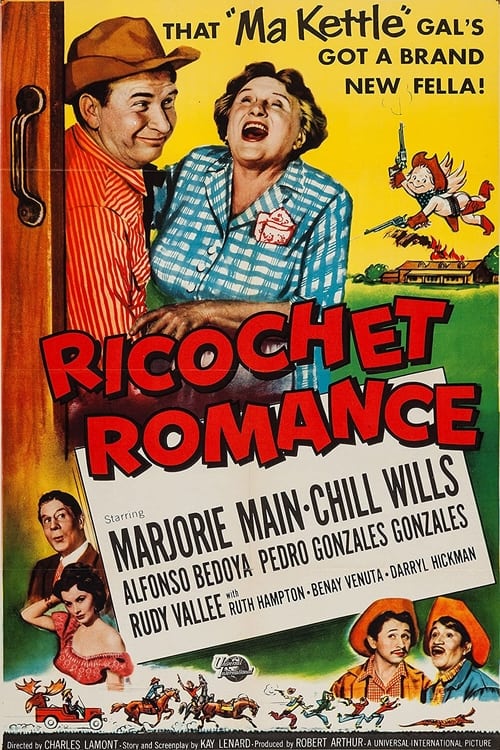
1954
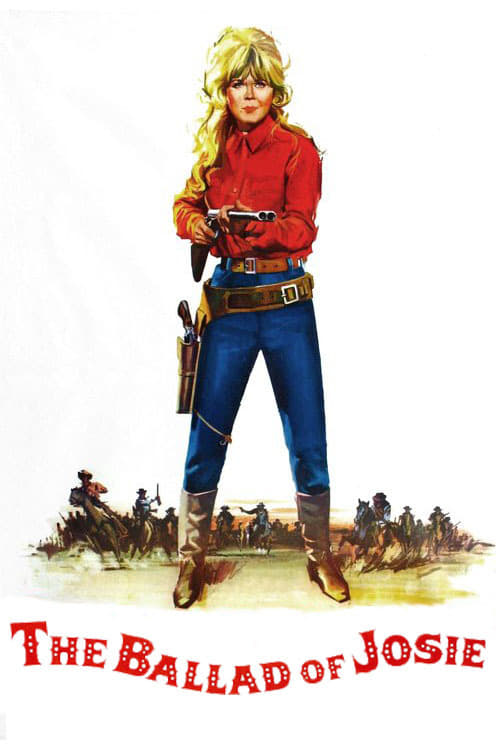
1968
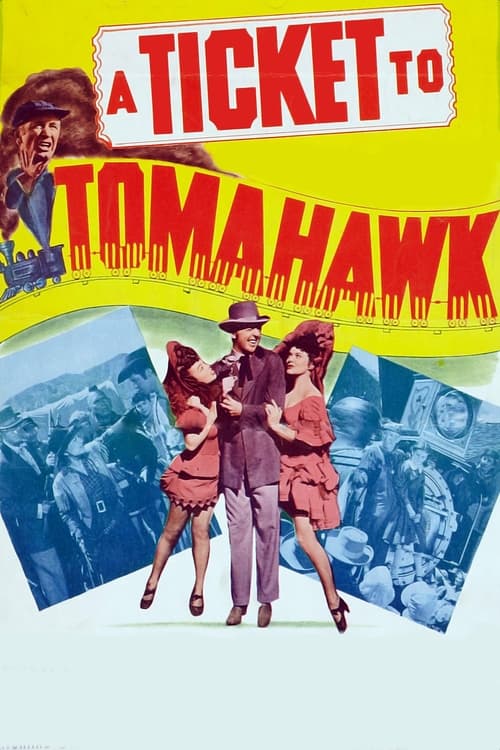
1950
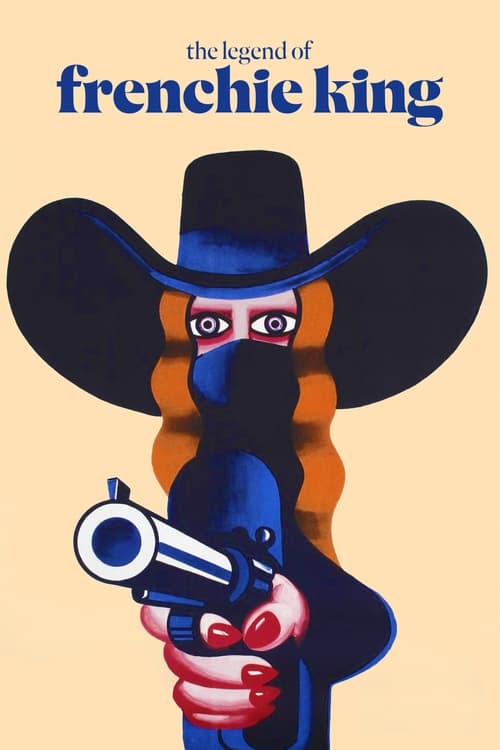
1971
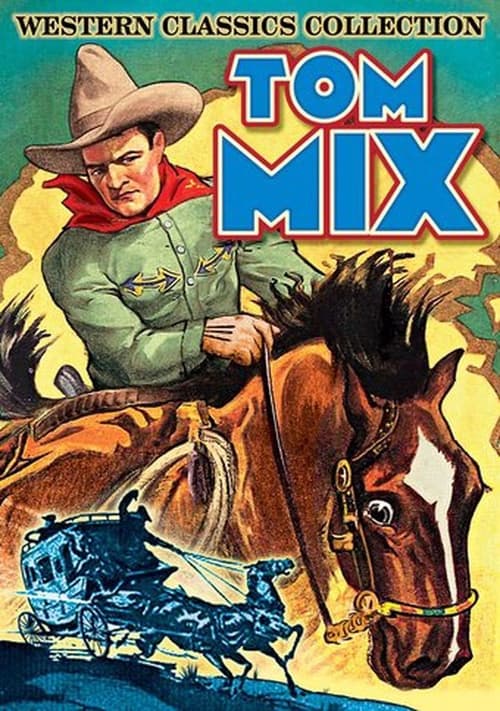
1916

1968

2005
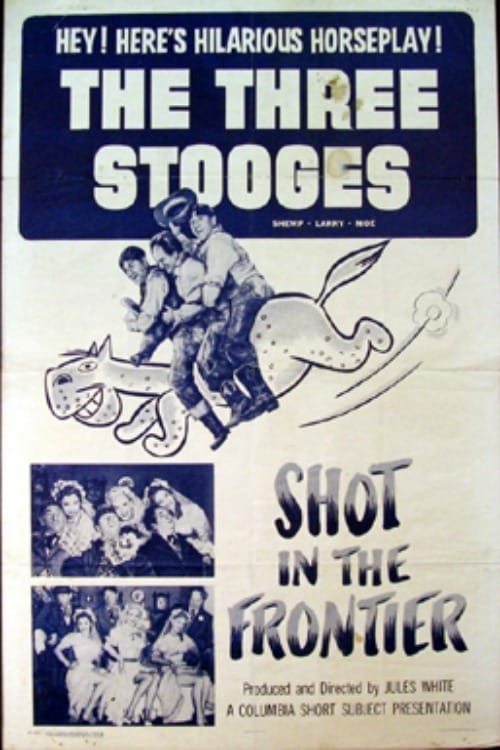
1954
No reviews yet. Be the first to share your thoughts on this movie!
Use the rating form above to leave a star rating and optional review.