Florence and the Uffizi Gallery
2015
No user ratings available yet
Diversity score: 3.0 out of 10
2016
Director
Luca Viotto
Runtime
90 minutes
Average Rating
No ratings yetSynopsis
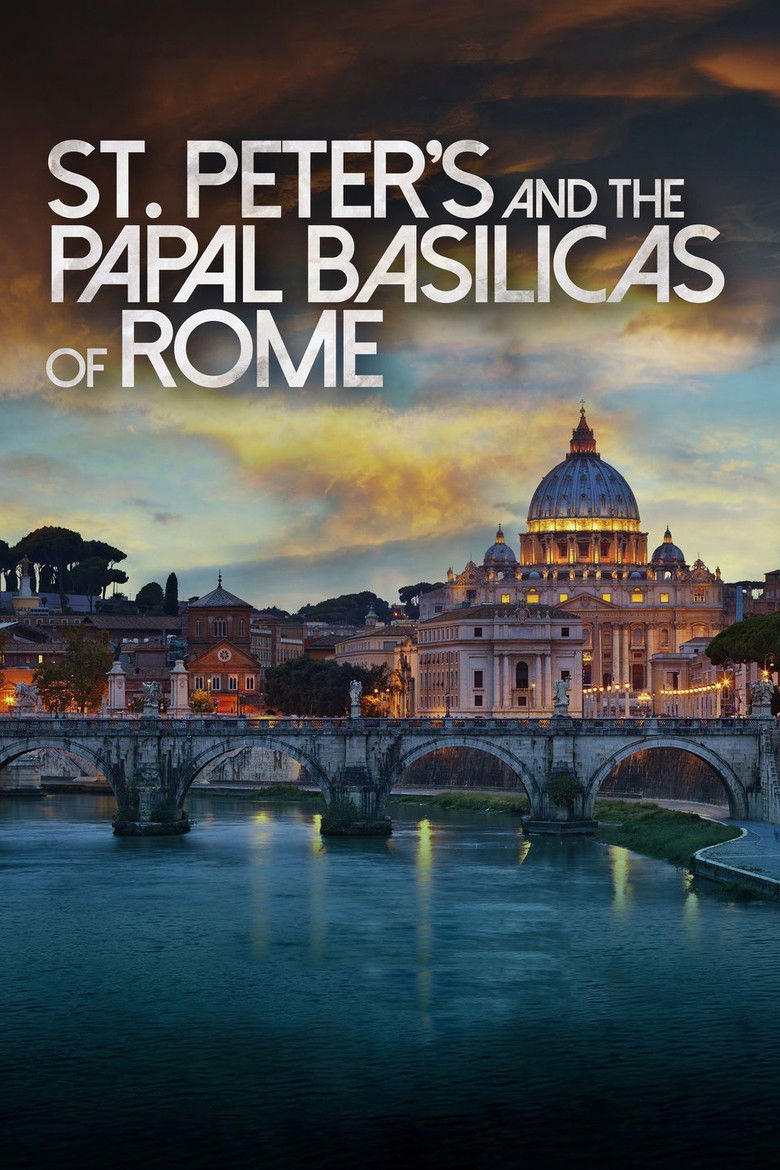
The unveiled treasures in the year of the Extraordinary Jubilee. The Papal Basilicas of Rome seen as never before: St. Peter's, St. John in the Lateran, St Mary Major, St Paul Outside the Walls and the works of art enshrined within them. A film tour shot from previously unseen points of view with the latest-generation 3D and 4K technology.
Overall Score
Minimal
Category Breakdown
LGBTQ+ Representation
The documentary focuses on the architectural and artistic treasures of the Papal Basilicas. There are no LGBTQ+ characters or narratives exploring non-heteronormative identities within this religious context.
Gender Representation
The film serves as a visual tour of religious iconography. While art may feature gendered figures, the documentary lacks the narrative agency to address gender dynamics or disrupt traditional hierarchies.
Racial & Ethnic Diversity
The narrative centers on the Roman Catholic Church and Western religious tradition. There is no evidence of a deliberate effort to center non-Western perspectives or diverse casting.
Religious & Cultural Diversity
This film celebrates traditional Western religious institutions and the sanctity of the Papacy. It functions as a high-definition preservation of established spiritual and moral orders.
Disability Representation
As a technical documentary focused on architecture and art, the film provides no platform for disability-centric storytelling. No subjects with visible or invisible disabilities are portrayed with agency.
Strengths
Areas for Improvement
AI Analysis
Luca Viotto’s documentary is a technical showcase of religious heritage, utilizing 3D and 4K technology to explore the Papal Basilicas. The film prioritizes aesthetic preservation and the veneration of established Catholic institutions over social commentary or narrative subversion. Because the subject matter is rooted in historical religious structures, the content naturally reinforces traditional Western hierarchies. The film does not attempt to engage with secularism, intersectionality, or the deconstruction of religious authority. Ultimately, the work functions as a high-definition tour of sacred spaces. It lacks the character-driven elements necessary to address modern diversity metrics, focusing instead on the continuity of ecclesiastical tradition.
2015

2012
1978
2011

1944
2018
1956
2018
2014
2005
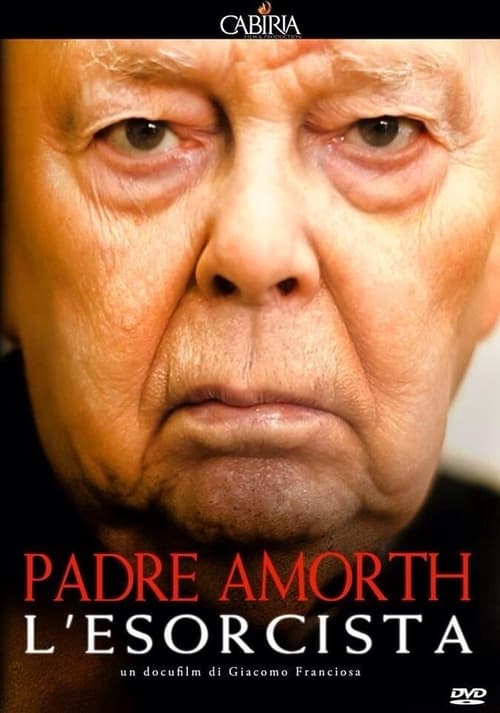
2017

2014
No reviews yet. Be the first to share your thoughts on this movie!
Use the rating form above to leave a star rating and optional review.