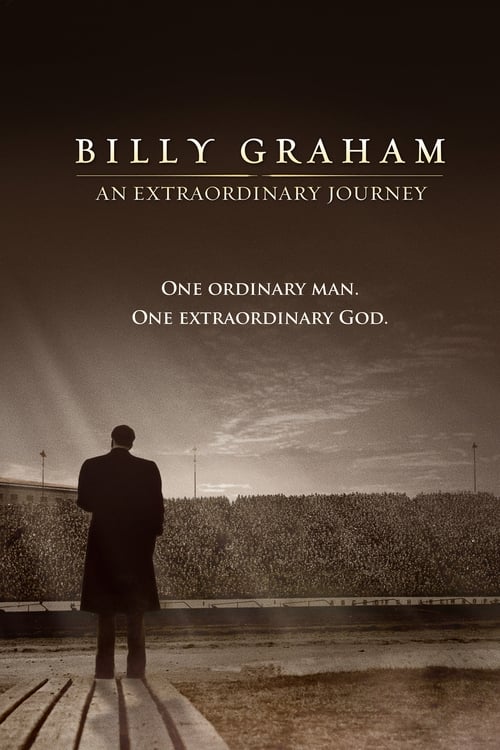
Billy Graham: An Extraordinary Journey
2018
No user ratings available yet
Diversity score: 1.2 out of 10
2005
Not RatedDirector
Philip Gröning
Runtime
162 minutes
Average Rating
No ratings yetSynopsis
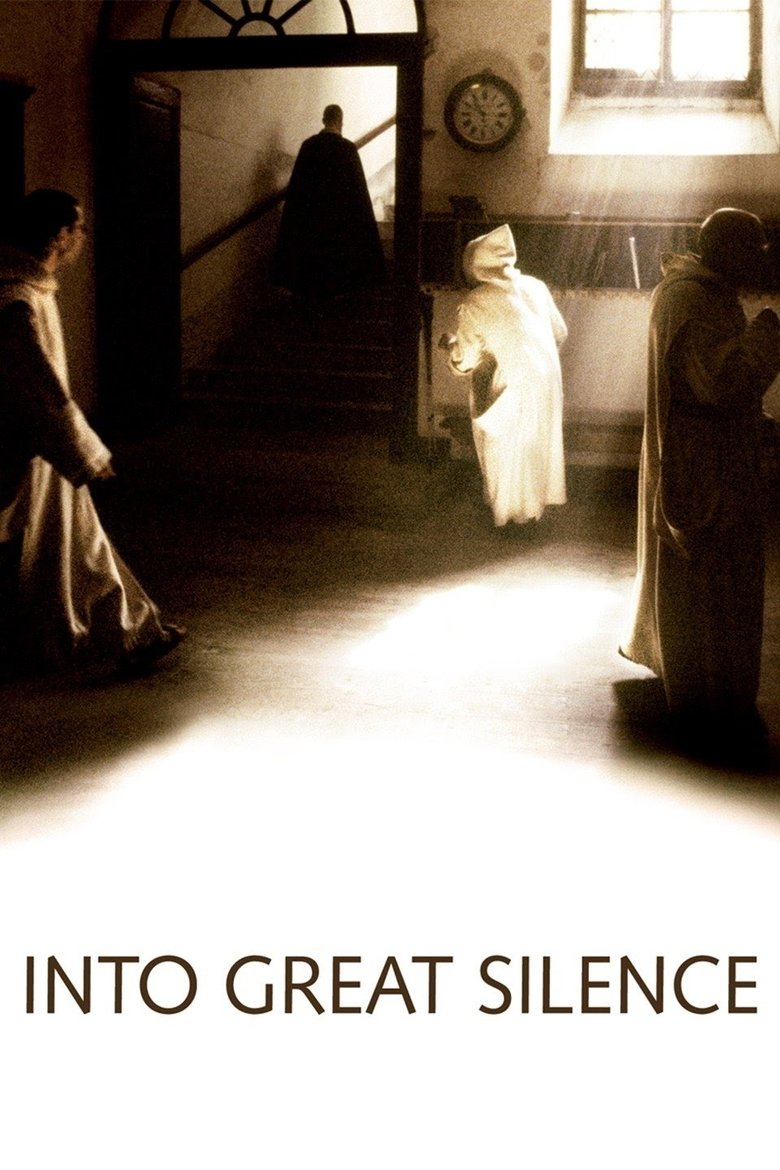
An intimate portrayal of the everyday lives of Carthusian monks of the Grande Chartreuse, high in the French Alps (Chartreuse Mountains). The idea for the film was proposed to the monks in 1984, but the Carthusians said they wanted time to think about it. The Carthusians finally contacted Gröning 16 years later to say they were now willing to permit Gröning to shoot the movie, if he was still interested.
Overall Score
Minimal
Category Breakdown
LGBTQ+ Representation
The documentary focuses exclusively on a strictly celibate and gender-segregated monastic order. There is no depiction of non-cisnormative identities or same-sex intimacy within the film.
Gender Representation
The cast is entirely male, reflecting a rigid and traditional gender hierarchy. The film offers no subversion of patriarchal religious leadership or female agency.
Racial & Ethnic Diversity
The cast is largely homogeneous, reflecting the specific demographic of the Carthusian Order. It presents a localized, culturally specific group without utilizing diverse casting.
Religious & Cultural Diversity
The film is deeply rooted in traditional Western religious institutions. It observes these structures through a lens of reverence and adherence to ancient, disciplined rules.
Disability Representation
The film does not feature characters with visible or invisible disabilities. It avoids engagement with neurodivergence or the lived experiences of mental health.
Strengths
Areas for Improvement
AI Analysis
Into Great Silence is a meditative study of a closed, highly disciplined religious ecosystem. Its lack of diversity is a direct reflection of the subject matter's inherent exclusivity and traditionalist nature. The film prioritizes environmental immersion and aesthetic contemplation over social commentary. It does not attempt to disrupt conventional expectations or challenge systemic power structures, focusing instead on the preservation of a specific way of life. Because the narrative architecture is built around ascetic boundaries, it naturally excludes modern social dynamics and diverse identities.
2018
2011
2014
2016
2020
2006

2015
2004

1958
2008
2013
2012
No reviews yet. Be the first to share your thoughts on this movie!
Use the rating form above to leave a star rating and optional review.