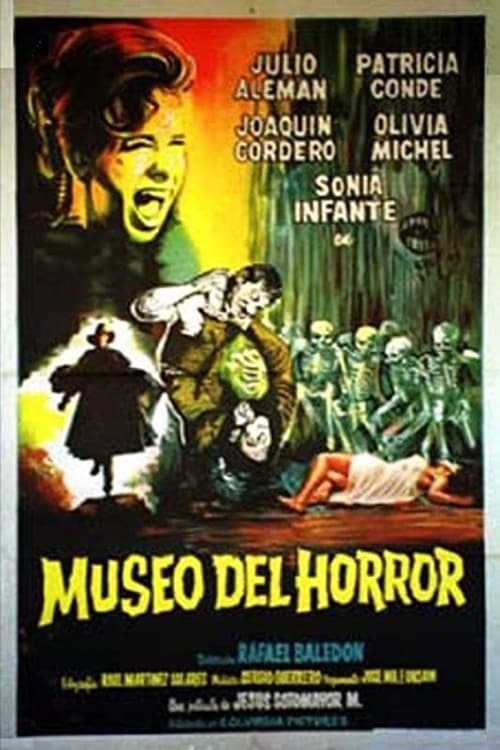
Museum Of Horror
1964
No user ratings available yet
Diversity score: 2.9 out of 10
1976
RDirector
Stu Segall
Runtime
74 minutes
Average Rating
No ratings yetSynopsis
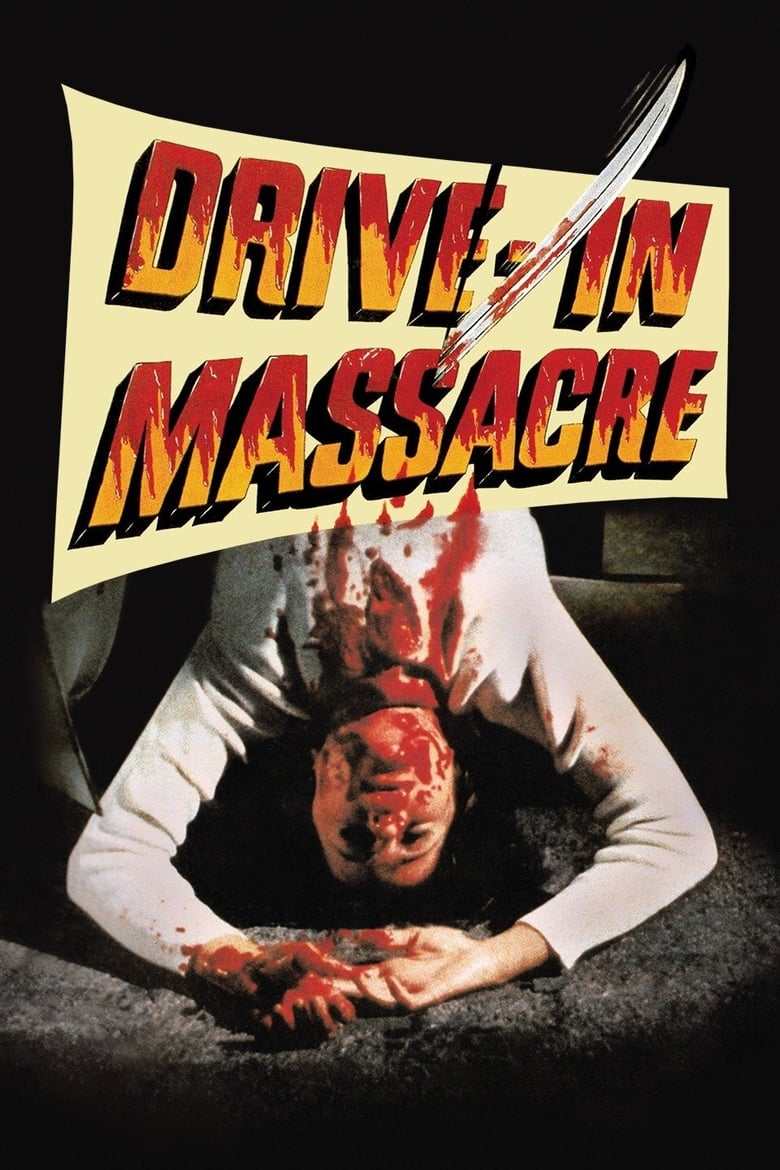
Two police detectives try to catch a serial killer who is stalking a rural California drive-in theater, randomly killing people with a sword.
Overall Score
Minimal
Category Breakdown
LGBTQ+ Representation
The film adheres to mid-1970s slasher tropes. There is no evidence of queer themes or non-cisnormative gender identities present in the narrative.
Gender Representation
Female characters primarily function as passive targets within the 'damsel in distress' trope. Agency remains concentrated in the detectives and the killer.
Racial & Ethnic Diversity
The cast appears relatively homogeneous, reflecting typical low-budget rural California productions of the era. There is no evidence of significant racial blending.
Religious & Cultural Diversity
The story focuses on survival and crime rather than social or religious commentary. It lacks engagement with anti-institutional or complex cultural narratives.
Disability Representation
No characters with visible or invisible disabilities are portrayed. The film does not engage with neurodivergence or physical disability as part of its character development.
Strengths
Areas for Improvement
AI Analysis
Drive-In Massacre is a quintessential 1970s exploitation film that prioritizes genre-driven suspense over social representation. The narrative relies heavily on established tropes that reinforce traditional hierarchies and conventional character archetypes. The film lacks the intentionality required to challenge social norms. Instead, it functions as a traditionalist exercise in horror, focusing on the visceral elements of a serial killer's spree rather than intersectional depth.
1964
1973

2000
1980
1971
1967
1973
1974
2006
No reviews yet. Be the first to share your thoughts on this movie!
Use the rating form above to leave a star rating and optional review.