
The Case of the Bloody Iris
1972
No user ratings available yet
Representation score: 4.6 out of 10
Representation Score
Fair
2006
Director
Yutaka Ikejima
Runtime
62 minutes
Average Rating
No ratings yetNew Showbiz Analysis
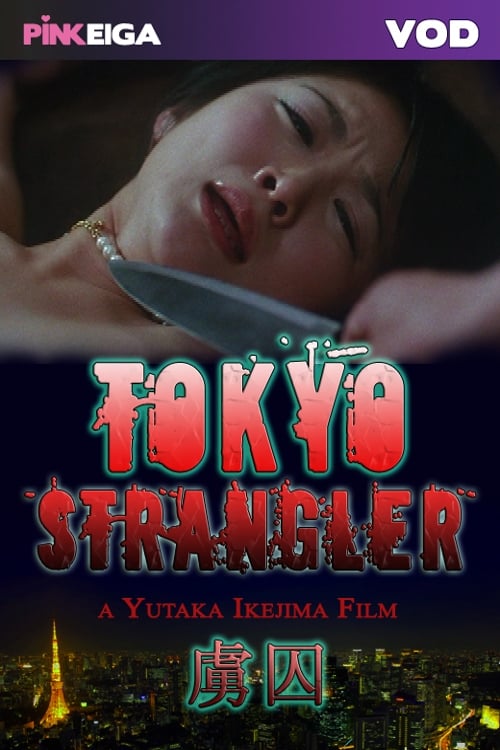
Tokyo Strangler is a genre-driven psychological thriller that deconstructs traditional domestic ideals. By centering on a woman navigating a messy divorce and an extramarital affair, the film offers a degree of ability to act and moral complexity that subverts standard social structures. However, the film remains limited by its adherence to conventional thriller clichés. The reliance on the 'victim' cliché and a lack of characters who reflect more than one aspect of diversity—specifically regarding LGBTQ+ and multi-ethnic identities—keeps the narrative within a relatively narrow social scope. Ultimately, while the film succeeds in presenting a world of instability and psychological tension, it functions primarily as a localized genre piece rather than a diverse social study.
Category Breakdown
The film centers on heterosexual relationships involving Kathy, her husband, and her attorney. There is no indication of queer identities or narratives that explore non-straight relationships.
Kathy plays a significant role in driving the story through her divorce and affair, challenging traditional marital stability. However, the film relies on the 'victim' cliché, which places her in a vulnerable position.
Set in Tokyo, the film features a predominantly Japanese cast and setting. The narrative focuses on a localized, homogeneous social environment without multi-ethnic ensembles.
The film challenges traditional family sanctity by focusing on marital dissolution and affairs. It prioritizes psychological realism and moral ambiguity over restorative justice.
There is no mention of characters navigating physical, neurodivergent, or mental health disabilities within the provided narrative context.
Present on Screen
Limited or Absent
Official Synopsis
Danger lurks around every corner. A psychopathic serial killer is tying up, raping and murdering Tokyo's sexy young women! Kathy is trying to divorce her husband, all the while conducting a hot affair with her divorce attorney, Sean. As she walks through the park one day, she witnesses the killer disposing of the dead body of his latest victim. The killer begins stalking her, throwing her otherwise normal life into a paranoid frenzy.Mr. Pink (Yutaka Ikejima) masterfully directs this suspenseful Pink-Film retelling of Alfred Hitchcock's Frenzy.
1972
1973

1974

1982
1996

1972
1964

2016
No reviews yet. Be the first to share your thoughts on this movie!
Use the rating form above to leave a star rating and optional review.