
Alaipayuthey
2000
No user ratings available yet
Representation score: 7.0 out of 10

Representation Score
Fair
2015
PGDirector
Mani Ratnam
Runtime
139 minutes
Average Rating
No ratings yetNew Showbiz Analysis
Mani Ratnam’s film stands out for its progressive deconstruction of social hierarchies. By focusing on an egalitarian partnership defined by intellectual and professional equality, it successfully challenges traditional gender roles often found in romantic cinema. The film excels in its portrayal of gender autonomy and its sophisticated critique of marriage as a social institution. It replaces rigid norms with a more fluid, ability to act-driven model of companionship. However, the narrative lacks breadth in other areas. The absence of LGBTQ+ representation and characters with disabilities limits the film's overall inclusivity despite its modern social outlook.
Category Breakdown
The story focuses on a heterosexual relationship between Adi and Tara. There are no prominent LGBTQ+ characters or narratives centered around non-cisgender identities.
Tara is portrayed as a strong, career-driven woman who plays a significant role in driving the story. The film highlights her personal autonomy rather than traditional gender roles.
The film features a predominantly South Indian cast that accurately reflects an urban Chennai setting. It avoids whitewashing by maintaining a culturally grounded portrayal.
The narrative challenges traditional marriage by presenting live-in relationships as valid alternatives. It emphasizes individual companionship over adherence to rigid, traditional family structures.
There are no significant depictions of visible or invisible disabilities. No characters with disabilities play a central role in the plot.
Present on Screen
Limited or Absent
Official Synopsis
Aadi and Tara fall in love but both hate the idea of marriage and plan to separate when their lives take them to different countries. However, as they grow closer, their emotions are not easily managed.
2000

2011

2013

2016

2002

2017

2018
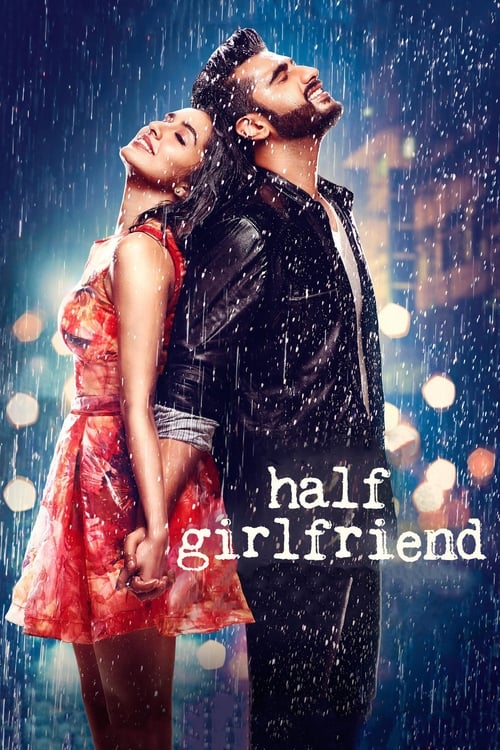
2017
No reviews yet. Be the first to share your thoughts on this movie!
Use the rating form above to leave a star rating and optional review.