
Yuppi Du
1975
No user ratings available yet
Representation score: 2.8 out of 10
Representation Score
Fair
1965
Director
Ken Loach
Runtime
73 minutes
Average Rating
No ratings yetNew Showbiz Analysis
Ken Loach uses a satirical musical format to challenge the sanctity of the nuclear family and the pressures of consumerist domesticity. The protagonist's choice to prioritize fleeting joy over long-term financial conformity serves as a sharp critique of established social structures. While the film effectively challenges cultural and economic norms, it remains limited in its demographic scope. The focus on a specific British working-class experience results in a lack of racial and ethnic diversity. Ultimately, the work succeeds in disrupting traditional Western institutions, though it lacks explicit representation of underrepresented groups such as LGBTQ+ individuals or those with disabilities.
Category Breakdown
The film satirizes conventional social milestones, questioning the idea that everyone is straight or cisgender. However, it does not explicitly depict specific LGBTQ+ identities or characters who don't identify with their assigned gender at birth.
The story subverts traditional gender roles by showing marriage and homeownership as potential traps. This challenges the stability of the traditional male-dominated household.
The narrative focuses on British working-class life in 1965. There is no indication of significant racial or ethnic diversity in the story.
The film critiques the Protestant work ethic and capitalist demands by emphasizing personal freedom and happiness over strict societal rules. It highlights the importance of individual choice and immediate satisfaction.
There is no mention of characters with visible or invisible disabilities in the narrative.
Present on Screen
Limited or Absent
Official Synopsis
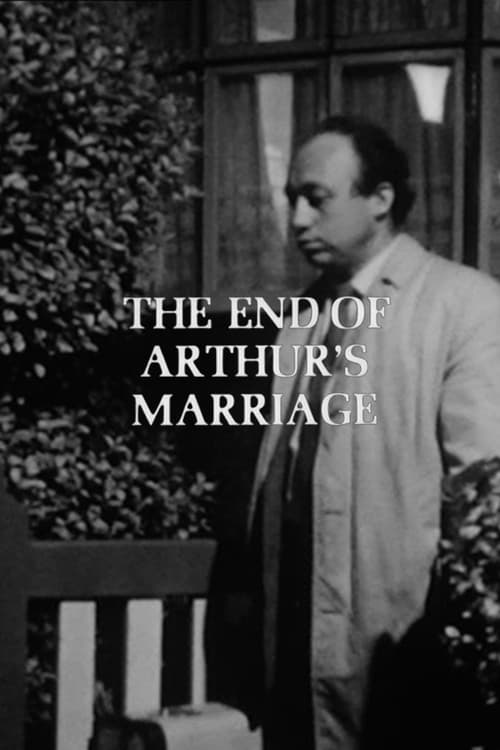
In this off-beat musical – a satire that combines fantasy, social observation and songs – a working class man goes to put a deposit on a new house only to find he prefers spending to saving and is happy to spend his money on a few hours of happiness rather than a lifetime's conventionality.
1975

1973

1965

1963

1949

1968

1963
1978
No reviews yet. Be the first to share your thoughts on this movie!
Use the rating form above to leave a star rating and optional review.