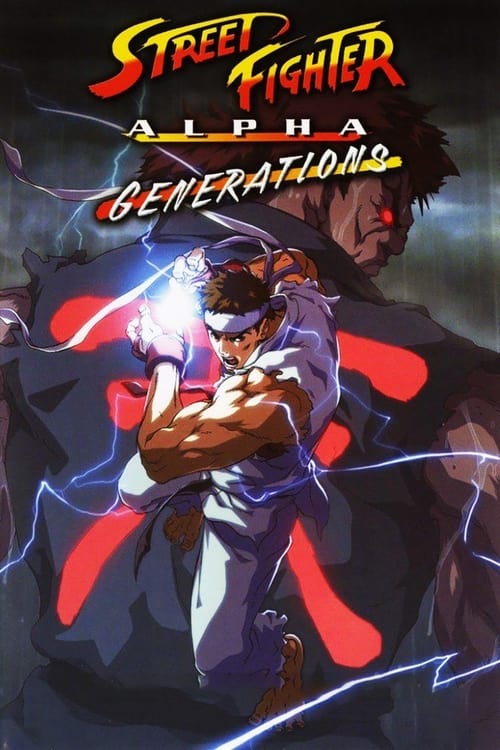
Street Fighter Alpha: Generations
2005
No user ratings available yet
Representation score: 2.0 out of 10
Representation Score
Limited
2014
TV-14Director
Joey Ansah
Runtime
96 minutes
Average Rating
No ratings yetNew Showbiz Analysis
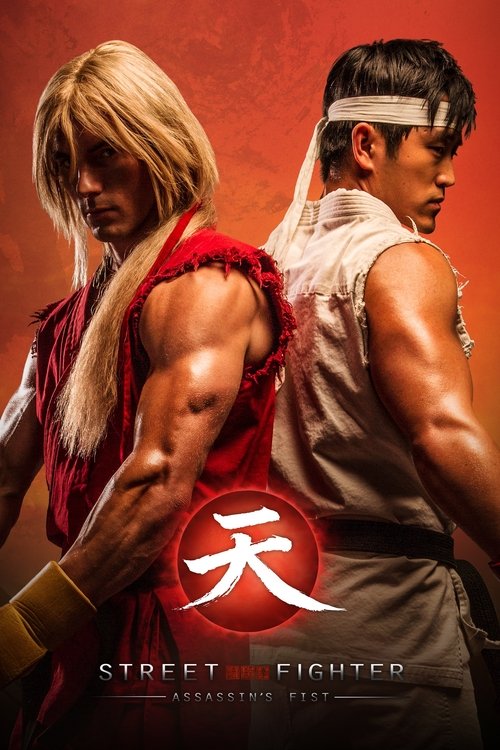
Street Fighter: Assassin's Fist The Movie prioritizes martial arts authenticity and technical execution over social commentary. It maintains ethnic accuracy by focusing on East Asian characters and traditions, avoiding the whitewashing seen in many Western adaptations. However, the narrative relies heavily on traditional masculine archetypes and conventional gender hierarchies. The focus remains on the internal struggles of male protagonists, leaving little room for diverse identity politics or multi-layered complexity. Ultimately, the film adheres to the established clichés of the action genre, reinforcing traditional storytelling structures without challenging existing social hierarchies.
Category Breakdown
The movie focuses solely on masculine rivalries and martial arts progression. There are no representations of LGBTQ+ identities or same-sex relationships.
The story is primarily driven by male characters like Ryu and Ken, with limited involvement of female characters such as Chun-Li. The narrative emphasizes male-dominated conflicts.
The cast is predominantly East Asian, reflecting the cultural roots of the fighting style. The film avoids whitewashing by featuring characters of various ethnicities.
The storyline upholds traditional values of self-discipline and mastery. It follows a classic hero's journey focused on honor and discipline.
Characters are depicted as having peak physical performance. There is no representation of visible or invisible disabilities or neurodivergence.
Present on Screen
Limited or Absent
Official Synopsis
If one man changes his path, will he be able to change his destiny...or will he only delay the inevitable? Ryu and Ken are two traditional warriors who find themselves isolated in some corner of Japan to carry out their training as fighters, trying to master an ancient style of fighting, known as "Ansatsuken" (The Killing Fist). There they will begin to learn about the mysterious past of their trainer, Goken, and the tragic and dark legacy that the Ansatsuken style hides. Will they be able to choose their destiny or will history repeat itself once again?
2005
2004

2008
1943

1983
2009
2012
2021
No reviews yet. Be the first to share your thoughts on this movie!
Use the rating form above to leave a star rating and optional review.