Plane Dippy
1936
No user ratings available yet
Diversity score: 2.6 out of 10
1936
Director
Tex Avery
Runtime
8 minutes
Average Rating
No ratings yetSynopsis
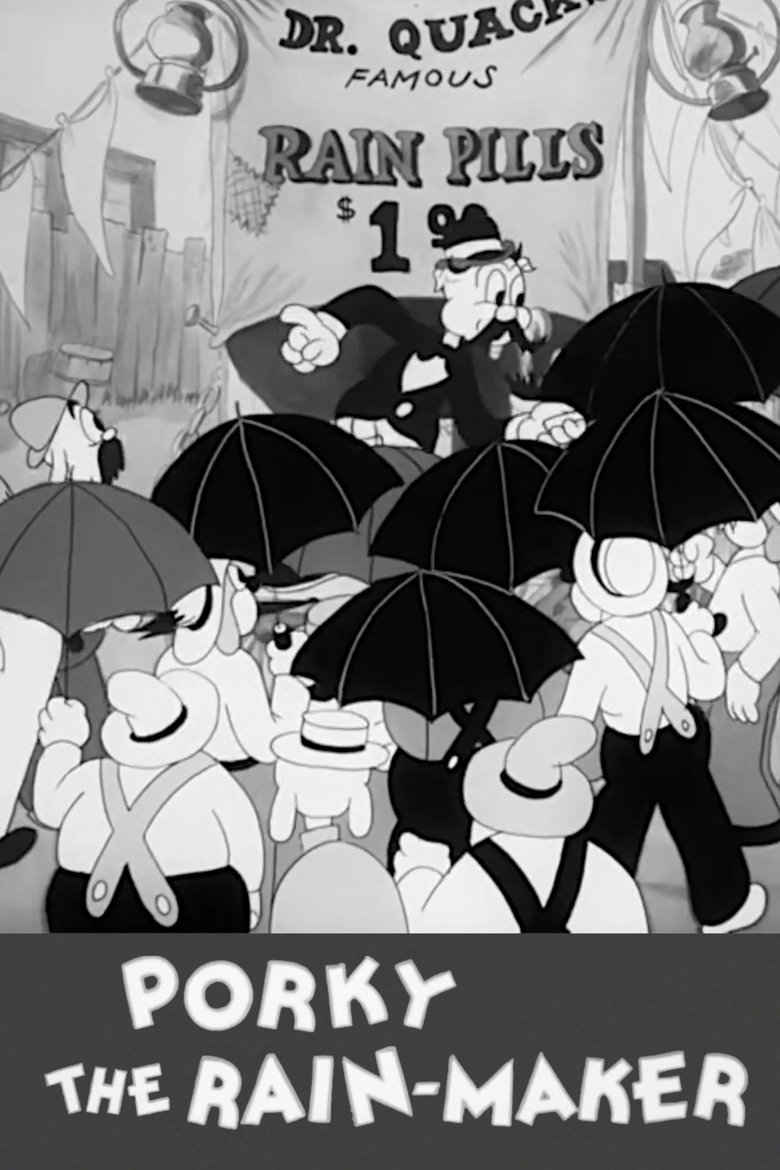
The farm is suffering through a terrible drought. Porky's father sends him to the store to buy some feed with their last dollar...
Overall Score
Limited
Category Breakdown
LGBTQ+ Representation
The narrative follows a traditional familial structure centered on a son and father. There is no evidence of queer identities or non-heteronormative storylines within the premise.
Gender Representation
The story emphasizes a patriarchal hierarchy where the father directs the family's actions. Female characters lack presence or agency in this agrarian struggle.
Racial & Ethnic Diversity
The film reflects the homogeneous casting standards typical of 1930s animation. It appears to adhere to the conventional demographic norms of the era.
Religious & Cultural Diversity
The plot focuses on survival and industriousness within a Western agrarian setting. It centers on the struggle against nature rather than diverse cultural perspectives.
Disability Representation
The available information provides no details regarding characters with visible or invisible disabilities.
Strengths
Areas for Improvement
AI Analysis
Porky the Rain-Maker is a product of its time, functioning as a snapshot of 1930s animation tropes. The narrative is built around a singular, traditional family unit facing environmental hardship, which limits the scope for diverse character archetypes. The film prioritizes a classic struggle against scarcity, reinforcing established social hierarchies and gender roles. While it captures the kinetic energy of Tex Avery's direction, the thematic content remains rooted in conventional, non-diverse social structures. Ultimately, the work lacks the intersectional complexity found in modern media, serving instead as a representative example of early 20th-century storytelling norms.
1936
1937

1948
1937
1929
1938
1927
1941
1937
1933
1937

1930
No reviews yet. Be the first to share your thoughts on this movie!
Use the rating form above to leave a star rating and optional review.