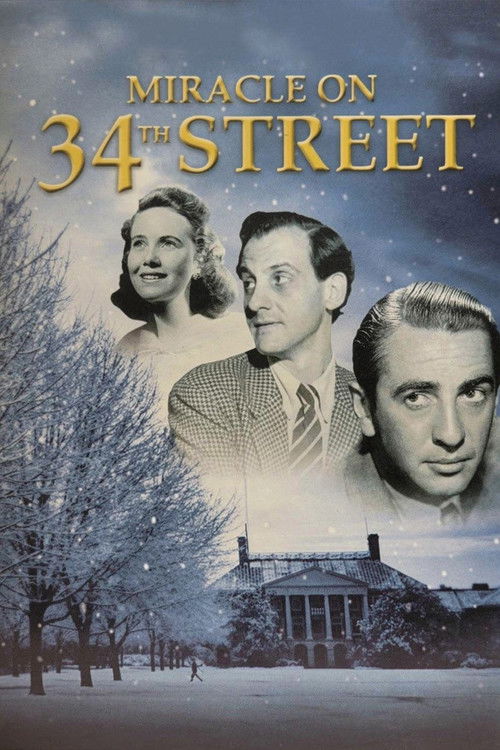
The Miracle on 34th Street
1955
No user ratings available yet
Representation score: 1.2 out of 10
Representation Score
Minimal
1959
PGDirector
William Corrigan
Runtime
60 minutes
Average Rating
No ratings yetNew Showbiz Analysis
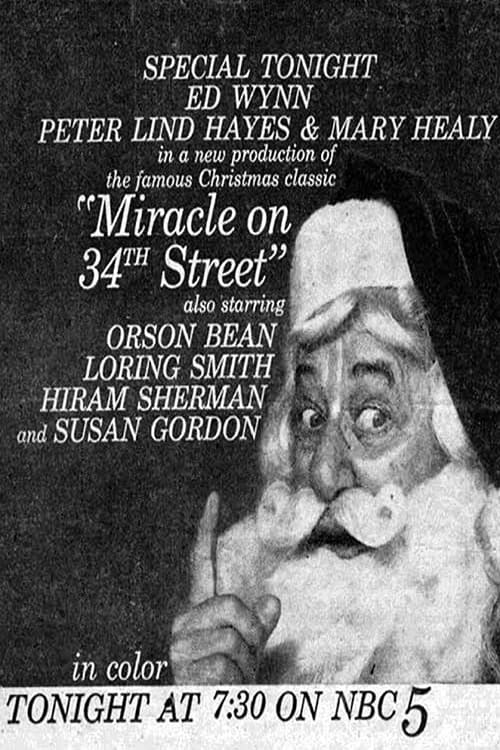
This 1959 adaptation reflects the demographic homogeneity and traditional narrative structure of its time. It lacks the multi-layered complexity and systemic critique found in contemporary storytelling. However, the film offers a progressive portrayal of female independence through its depiction of Doris Walker. By centering a woman with significant influence and intellectual rigor, it challenges the era's standard of male-dominated leadership. Ultimately, the work celebrates communal belief and Western institutional values, prioritizing a singular social experience over a diverse or critical perspective.
Category Breakdown
The film does not include any characters with LGBTQ+ identities or non-straight relationships. It focuses solely on traditional heterosexual relationships.
The film features Doris Walker, a strong, independent woman who defies mid-century stereotypes by running a household without a male figure. She is shown as a capable professional.
The cast is predominantly white, reflecting the demographics of the time. There is no engagement with multicultural perspectives or racial diversity.
The film emphasizes traditional Western values, presenting the legal system and organized religion as stabilizing forces. It celebrates commercial traditions and a clear moral framework centered on kindness.
The film does not depict any characters with physical, neurodivergent, or mental health disabilities. It does not address the experiences of those living with disabilities.
Present on Screen
Limited or Absent
Official Synopsis
In this charming TV adaptation of the 1947 film classic, a kindly old gentleman (Ed Wynn) working as a Macy's department store Santa causes a commotion when he claims to be the real St. Nick. Forced to prove his sanity, he is taken to court where he must convince the judge and his friends that he actually is Santa Claus. The faith of one skeptical little girl (Susan Gordon) and a Christmas miracle are the keys to his true identity.
1955

1947
1973

1989
2002

1985

2001
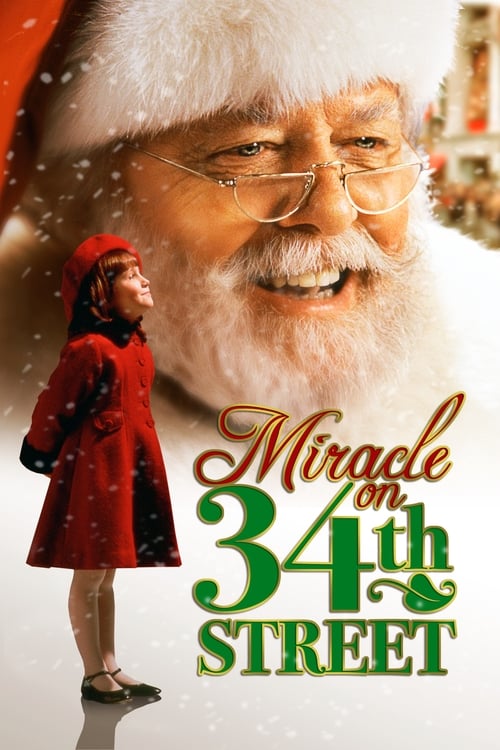
1994
No reviews yet. Be the first to share your thoughts on this movie!
Use the rating form above to leave a star rating and optional review.