The Santa Box
2020
No user ratings available yet
Representation score: 3.3 out of 10
Representation Score
Fair
2002
Director
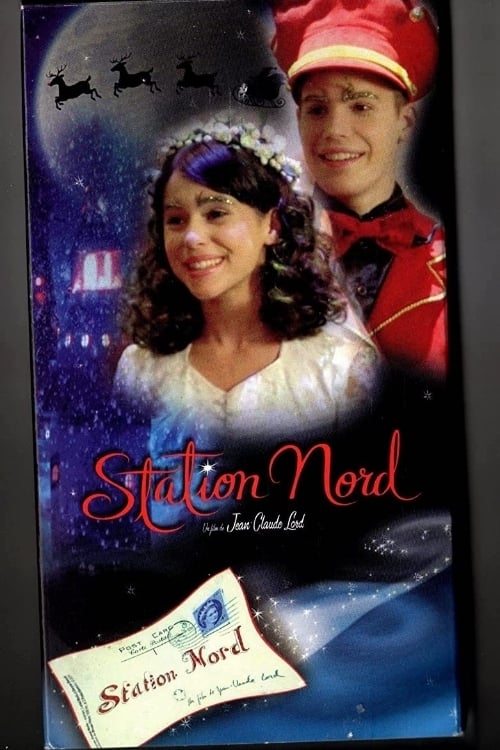
Jean-Claude Lord
Runtime
111 minutes
Average Rating
No ratings yetNew Showbiz Analysis
North Station is a sentimental family drama that relies heavily on established folklore and traditional archetypes. The narrative prioritizes emotional resonance through a classic fable structure rather than challenging social or identity-based hierarchies. The film's representation is largely conventional, focusing on straight-centered romance and traditional gender roles. While it touches on themes of illness and ethnic variety through specific character names, these elements function more as plot devices than deep explorations of identity. Ultimately, the work functions as a standard seasonal mythos, reinforcing Western cultural values and traditional storytelling patterns without significant subversion.
Category Breakdown
The story focuses on a traditional romantic relationship between Samuel and Évelyne, following straight-centered structures without exploring diverse gender identities.
Male characters lead the main plot and sacrifice, while female characters provide emotional support. The film follows traditional gender roles and hierarchies.
The setting hints at a European folklore environment. Although the name Satia suggests some ethnic diversity, there are no actively leading characters of color.
The film is grounded in Western seasonal myths and the Santa Claus legend. It reinforces traditional family values and childhood hope.
A character's serious illness serves as a plot device to motivate the protagonist. It lacks a nuanced exploration of living with a disability.
Present on Screen
Limited or Absent
Official Synopsis
In 1950, in a small village called Northern Station, Samuel, a young mailman and his girlfriend, Évelyne, spend hours replying to letters that children have sent to Santa Claus. While delivering the letters on Christmas Eve, Samuel dies of cold in the forest. He finds himself in the magic land of Santa Claus, where he becomes an elf in charge of answering Santa’s mail. Fifty years later, Samuel opens a letter from Satia, a young girl from Northern Station who asks Santa Claus if he will save her grandmother, who is seriously ill. With the help of his friend, Howie, the young elf decides to go to the village for grant the child’s wish. However, it turns out that Satia’s grandmother is none other than Évelyne.
2020

2007
2001

1985

2017

2017
1959

1985
No reviews yet. Be the first to share your thoughts on this movie!
Use the rating form above to leave a star rating and optional review.