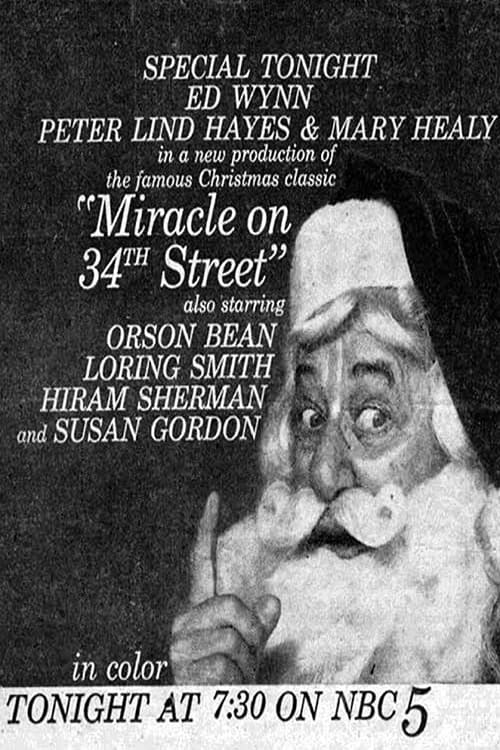
Miracle On 34th Street
1959
No user ratings available yet
Representation score: 1.4 out of 10

Representation Score
Limited
1973
NRDirector
Fielder Cook
Runtime
100 minutes
Average Rating
No ratings yetNew Showbiz Analysis
Miracle on 34th Street (1973) is a traditional period drama that upholds the social structures of its time. While it features a strong female lead, the film operates within narrow social boundaries. The narrative lacks complexity, offering minimal representation for LGBTQ+ individuals or diverse racial groups. It employs a homogeneous cast and traditional gender roles common to mid-century television.
Category Breakdown
The film focuses on a heterosexual relationship and does not include any characters with non-straight sexual orientations or non-cisgender identities.
Doris is a key character who drives the emotional storyline. She plays a significant role in the narrative, but the story revolves around traditional gender roles and mid-century interpersonal dynamics.
The cast is predominantly made up of actors from similar backgrounds, reflecting the typical casting practices of the time. The story does not feature diverse ethnic groups to challenge societal norms.
The film critiques commercialism and the conflict between holiday spirit and consumerism. However, it stays within Western cultural traditions and established social norms.
The film uses a legal case involving mental competency as a plot device for courtroom drama. It does not provide a nuanced or empowered portrayal of neurodivergence or mental health issues.
Present on Screen
Limited or Absent
Official Synopsis
A department store Santa tries to convince a little girl who doesn't believe in Santa Claus that he is Santa Claus, and winds up going on trial to prove who he is.
1959

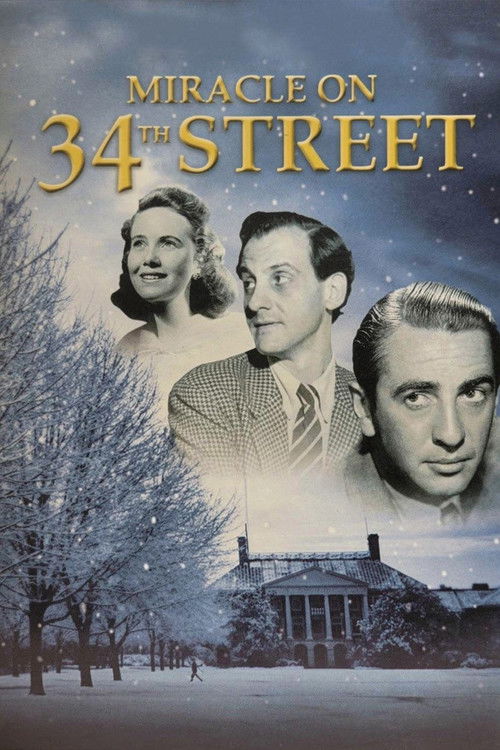
1947
1955
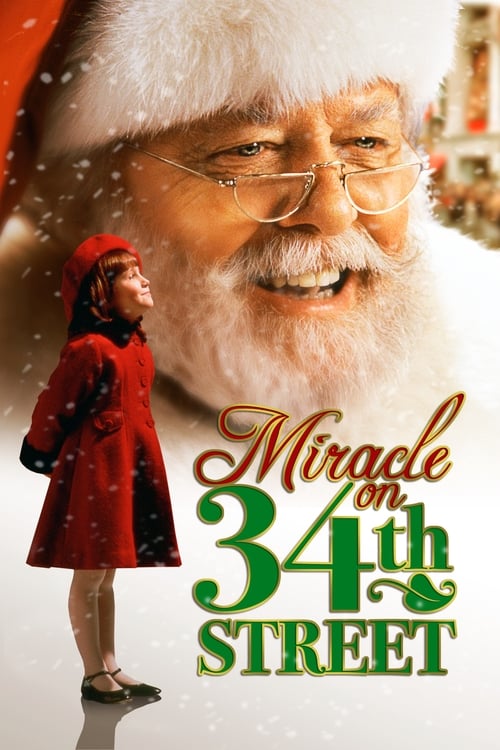
1994

2014
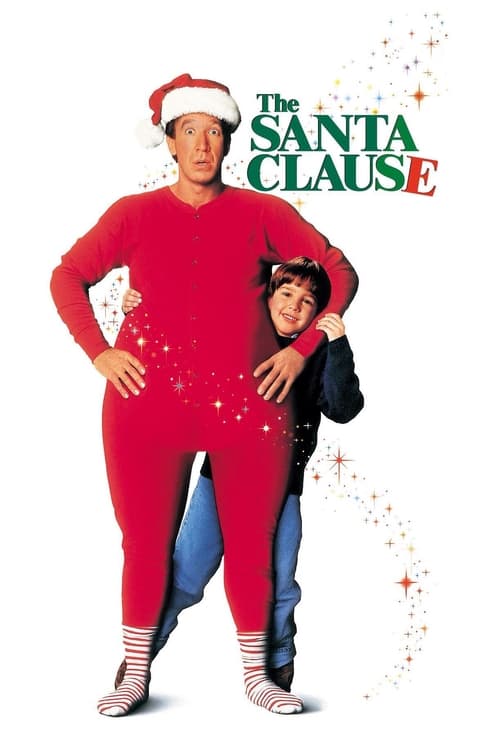
1994

1986
1991
No reviews yet. Be the first to share your thoughts on this movie!
Use the rating form above to leave a star rating and optional review.