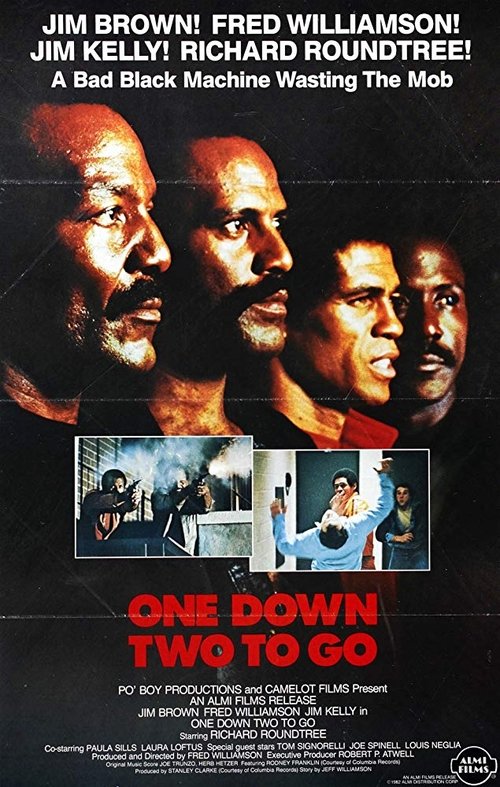
One Down, Two to Go
1982
No user ratings available yet
Representation score: 2.9 out of 10
Representation Score
Fair
1975
RDirector
Fred Williamson
Runtime
90 minutes
Average Rating
No ratings yetNew Showbiz Analysis
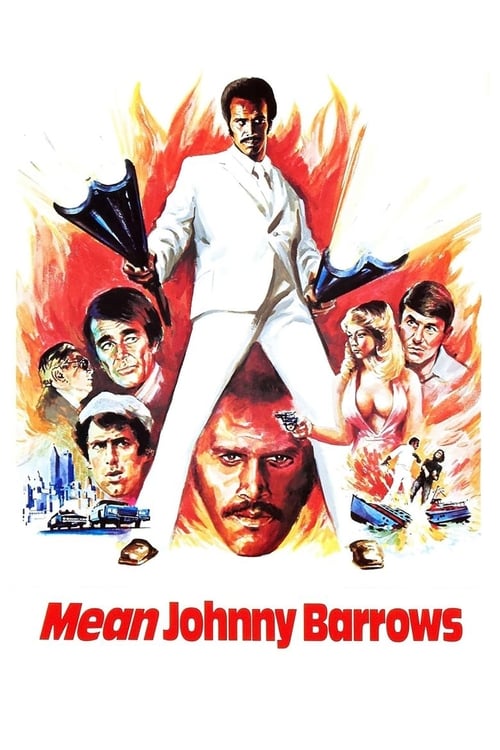
Mean Johnny Barrows stands as a significant example of Blaxploitation cinema, driven by Fred Williamson's emphasis on Black ability to act. The film disrupts traditional power structures by placing a Black lead in direct conflict with systemic criminal organizations. However, the film adheres to the standard genre clichés of the time. It lacks meaningful representation of LGBTQ+ identities and does not challenge traditional gender hierarchies, focusing instead on hyper-masculine combat archetypes. While the racial dynamics offer a powerful subversion of mainstream 1970s casting, the overall diversity is limited by the narrow scope of its social representation.
Category Breakdown
The film does not include any LGBTQ+ characters or narratives. It follows the traditional character types common in 1975 action-crime movies.
The story revolves around traditional masculine archetypes focused on combat and crime. It does not challenge traditional gender roles or hierarchies.
The film centers on a Black protagonist who plays a significant role in a white-dominated criminal underworld. This disrupts the predominantly white casting norms of 1970s cinema.
The narrative critiques institutional stability through a veteran navigating a corrupt mob war. It prioritizes individual survival over loyalty to established social orders.
There is no indication that disability, neurodivergence, or chronic illness plays a role in the narrative.
Present on Screen
Limited or Absent
Official Synopsis
A Vietnam veteran gets caught in a mob war with a couple of double-crossers.
1982
1972
1981
1977
1993
2006
1984
1975
No reviews yet. Be the first to share your thoughts on this movie!
Use the rating form above to leave a star rating and optional review.