Sweet Bird of Youth
1989
No user ratings available yet
Representation score: 5.0 out of 10
Representation Score
Fair
1974
Director
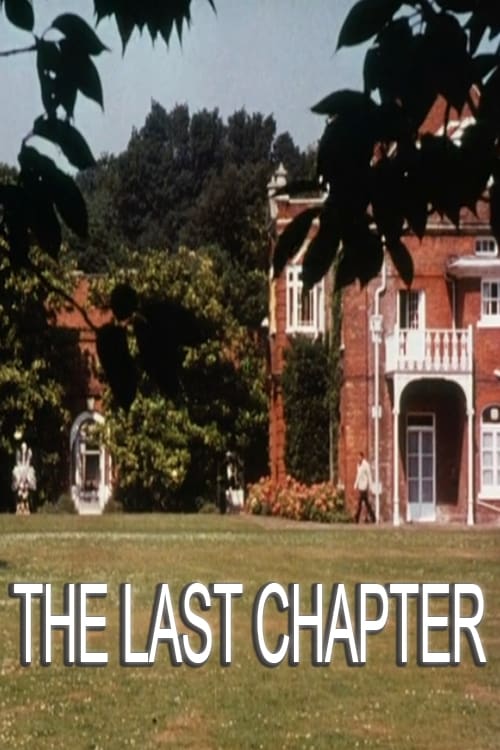
David Tringham
Runtime
30 minutes
Average Rating
No ratings yetNew Showbiz Analysis
The Last Chapter is a character-driven psychological drama set within the demographic limitations of 1970s British television. Though it doesn't offer much in terms of racial or LGBTQ+ representation, it subtly challenges traditional gender power structures. The film centers around a female character who significantly impacts the male protagonist's psychological journey. However, the production remains tied to the era's limited casting practices and cultural norms. Overall, the work delves into themes of psychological instability and the erosion of societal boundaries, while staying within the confines of its time period.
Category Breakdown
The story focuses on a psychological conflict between a novelist and a fan without showing any LGBTQ+ identities or relationships.
A female fan challenges a successful male writer, disrupting traditional gender roles by taking a leading role in driving the story's events.
The show follows the typical casting practices of 1970s British television, which does not include a wide range of ethnicities or races.
The film looks at a professional figure through a dark psychological angle, focusing more on personal morality than on traditional or ideological beliefs.
The story deals with mental health issues through a main character who experiences psychological imbalance, but it’s unclear if this portrayal avoids harmful stereotypes or just serves as a plot device.
Present on Screen
Limited or Absent
Official Synopsis
A dark tale in which a successful novelist is unbalanced by an assured young female fan.
1989
1971
1984
1977
1985
1972
1990
1976
No reviews yet. Be the first to share your thoughts on this movie!
Use the rating form above to leave a star rating and optional review.