
Decalogue VI
1989
No user ratings available yet
Representation score: 7.7 out of 10
Representation Score
Fair
1984
Director
Michael Haneke
Runtime
83 minutes
Average Rating
No ratings yetNew Showbiz Analysis
Michael Haneke’s film is a clinical study of psychological alienation rather than a vehicle for demographic representation. The narrative focuses on a nihilistic art student in Venice, creating a claustrophobic, male-centric atmosphere that lacks broad diversity. While the film lacks explicit identity-based representation, it earns points for its thematic subversion. By deconstructing social stability and traditional moral certainties, the work engages with a postmodern, relativistic worldview. Ultimately, the film reflects the social constraints of its era and setting, prioritizing intellectual austerity and psychological tension over diverse casting or social inclusivity.
Category Breakdown
The film explores a relationship between a student and an older man, suggesting non-traditional dynamics but without confirming specific LGBTQ+ identities.
The story focuses on a male-dominated psychological landscape. The student-mentor dynamic follows a traditional patriarchal structure, showing little evidence of significant female influence or subverted gender roles.
Set in Venice, the film features a predominantly white cast. The narrative context suggests a lack of diverse racial representation.
The film challenges traditional Western values by depicting nihilism and social breakdown. It prioritizes psychological fragmentation over institutional morality, reflecting a postmodern worldview.
There is no discernible evidence regarding the portrayal of physical or neurodivergent disabilities in this work.
Present on Screen
Limited or Absent
Official Synopsis
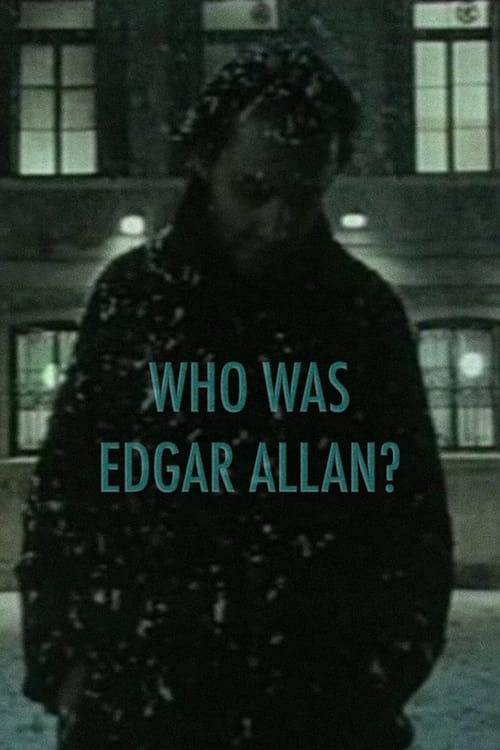
A nihilistic art student meets the mysterious Edgar Allan at a coffee shop in Venice. The fascination for the older man soon turns into paranoia.
1989

1990
1986
1976

2010
1980

2016
1968
No reviews yet. Be the first to share your thoughts on this movie!
Use the rating form above to leave a star rating and optional review.