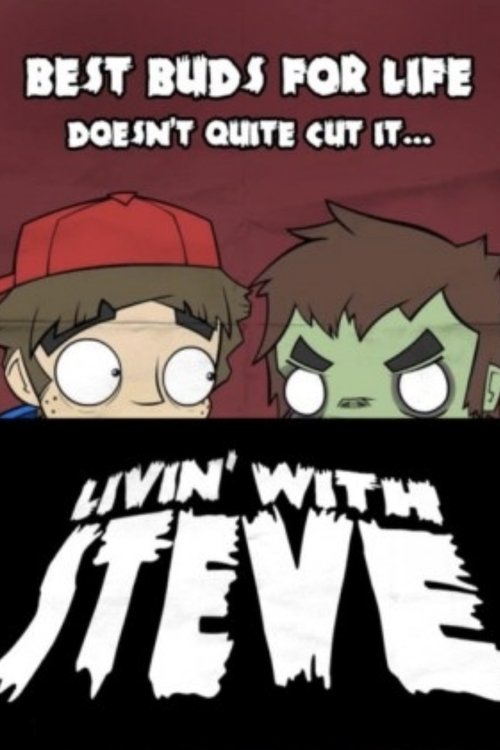
Livin' with Steve
2012
No user ratings available yet
Representation score: 4.3 out of 10
Representation Score
Good
2017
TV-14Director
Steffen Bang Lindholm
Runtime
6 minutes
Average Rating
No ratings yetNew Showbiz Analysis
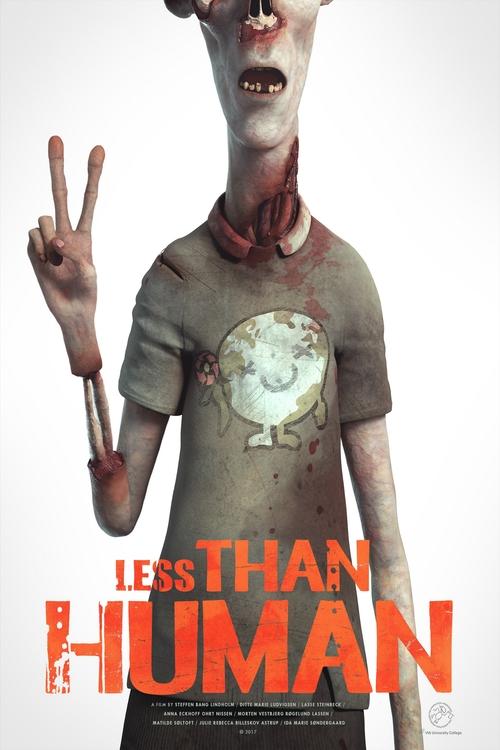
Less Than Human functions mainly as a genre-driven allegory. It employs the post-apocalyptic zombie framework to explore the tensions arising from attempts to reintegrate underrepresented identities into a dominant social order. The film's strength lies in its metaphorical exploration of 'otherness' and the systemic suspicion surrounding rehabilitation. It addresses complex themes of social reintegration and institutional legitimacy through its narrative structure. However, the work lacks dense characters who reflect more than one aspect of diversity. The absence of explicit LGBTQ+ narratives and diverse gender roles prevents a higher score, as the diversity remains largely allegorical rather than character-driven.
Category Breakdown
The film does not include explicit LGBTQ+ characters or narratives. The story focuses on the biological differences between humans and post-zombies, rather than exploring non-cisgender identities.
The story revolves around a male protagonist, Steve, who drives the investigation. There is no clear evidence of challenging traditional gender roles or elevating female characters.
The zombie cliché serves as a metaphor for 'the other,' providing potential for allegorical diversity. However, the specific ethnic makeup of the human cast is not specified.
The narrative delves into themes of social engineering and institutional skepticism. It examines the tension between systemic reform and the resistance to reintegrating underrepresented groups.
The post-zombie condition acts as a metaphor for altered physical and cognitive states. It reflects the experiences of those dealing with societal stigma due to impairments.
Present on Screen
Limited or Absent
Official Synopsis
In the aftermath of a zombie outbreak, zombies are cured and exiled to secluded camps. There has been talk about rehabilitating post-zombies back into society. Steve, the journalist reporting on the case, thinks the zombies still pose a threat to society. He ventures into one of these camps to prove to the world that rehabilitation is out the question.
2012
2011
2017
2010
2018

2022
2012
2008
No reviews yet. Be the first to share your thoughts on this movie!
Use the rating form above to leave a star rating and optional review.