
Dance of the Dead
2008
No user ratings available yet
Representation score: 4.9 out of 10
Representation Score
Fair
2008
RDirector
Alex Yi
Runtime
90 minutes
Average Rating
No ratings yetNew Showbiz Analysis
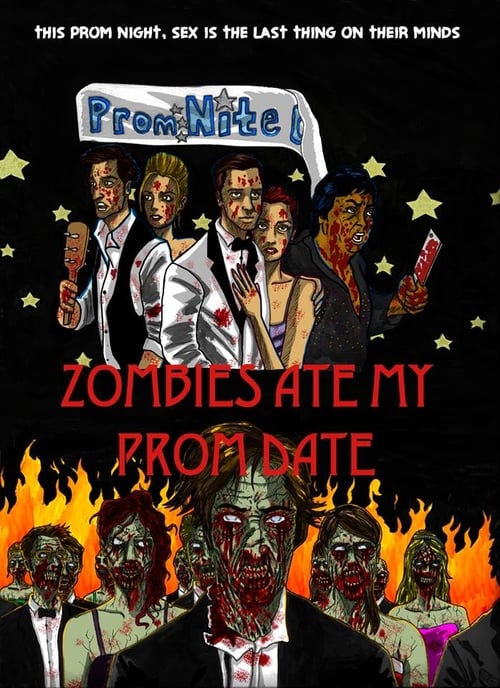
Zombies Ate My Prom Date uses a conventional horror-comedy format that mirrors existing high school social hierarchies. The narrative relies on well-known archetypes, limiting character depth. By sticking to established norms, the film misses opportunities to explore diverse identities and challenge traditional social structures. It functions primarily as a survivalist comedy, focusing on teenage social dynamics.
Category Breakdown
The film follows typical straight-centered storylines and focuses on standard high school romance clichés. It doesn't explore LGBTQ+ identities or storylines.
The characters adhere to common high school stereotypes such as jocks and popular girls, reinforcing traditional gender roles without challenging them.
The cast is predominantly white, lacking diverse representation and depth in character backgrounds.
The setting is a typical Western high school focused on prom night traditions. It avoids broader critiques of religion or cultural institutions.
The film does not include characters with visible or invisible disabilities. Characters are defined by their social status and abilities rather than by disabilities.
Present on Screen
Limited or Absent
Official Synopsis
A group of teens from different social gatherings must co-exist and survive Prom from their entire Senior class of zombies.
2008

2012
2012

2014

2007
2015

2011
2019
No reviews yet. Be the first to share your thoughts on this movie!
Use the rating form above to leave a star rating and optional review.