
Night of the Animated Dead
2021
No user ratings available yet
Representation score: 3.2 out of 10
Representation Score
Fair
2012
RDirector
Justin Paul Ritter
Runtime
88 minutes
Average Rating
No ratings yetNew Showbiz Analysis
The film adheres closely to established horror genre conventions. Although it offers a subtle disruption of traditional moral binaries through its protagonist's unique perspective, it lacks deeper multi-layered complexity. Its strength lies in its use of metaphor, particularly regarding bodily autonomy and moral relativism. However, the absence of specific demographic information hinders a more thorough assessment of its social representation. Ultimately, the work functions primarily as a genre piece that emphasizes survivalist clichés over systemic critique or diverse character identities.
Category Breakdown
The film does not include explicit LGBTQ+ characters or stories focused on non-cisgender identities. The plot revolves around surviving zombies rather than exploring identity-related themes.
The story centers on a single, self-aware zombie protagonist. Without specific details about the cast, the lone survivor cliché often aligns with traditional masculine roles.
Details about the racial or ethnic makeup of the cast are not provided. The storyline focuses on biological conditions rather than social or ethnic identities.
The film challenges typical genre expectations by presenting a zombie as a conscious agent of order. This introduces a subjective moral framework that deviates from conventional morality.
The undead state serves as a metaphor for altered bodily autonomy and physical impairment. The protagonist’s struggles mirror behaviors associated with disability narratives.
Present on Screen
Limited or Absent
Official Synopsis
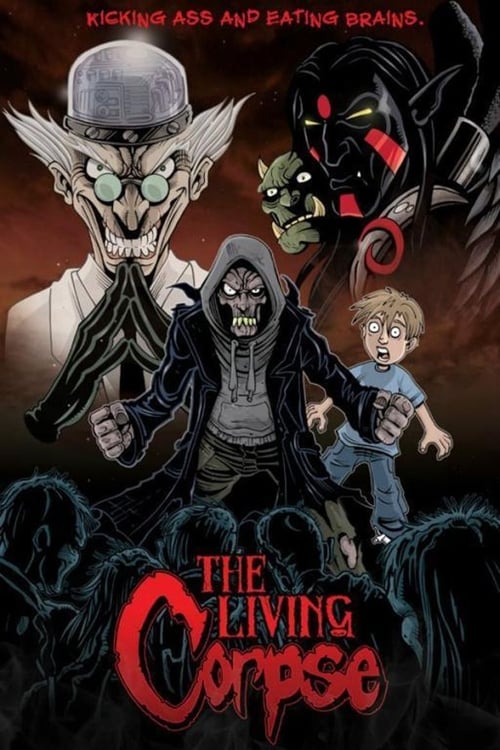
A somewhat self-aware zombie takes it upon himself to keep the rest of the walking dead at bay.
2021
2011
2006
2009

2009

2014
2009
2014
No reviews yet. Be the first to share your thoughts on this movie!
Use the rating form above to leave a star rating and optional review.