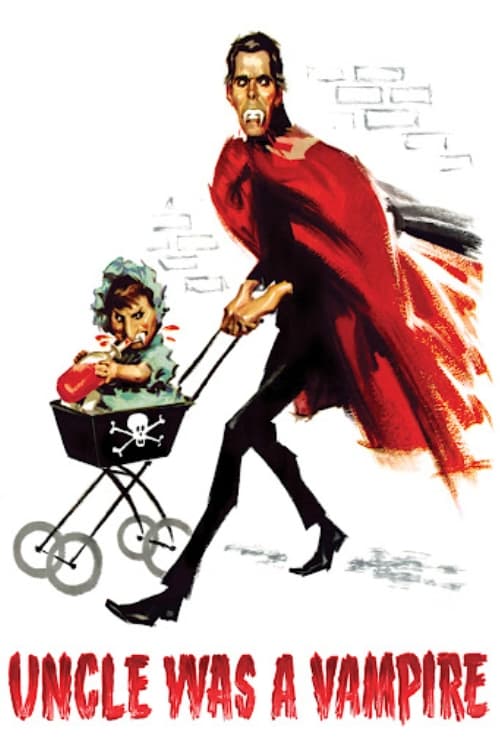
Uncle Was a Vampire
1959
No user ratings available yet
Representation score: 1.4 out of 10

Representation Score
Limited
1985
Director
Neri Parenti
Runtime
88 minutes
Average Rating
No ratings yetNew Showbiz Analysis
The film functions as a genre-bending farce that prioritizes slapstick and situational absurdity over identity-based storytelling. While it lacks significant characters who reflect more than one aspect of diversity, it disrupts conventional power structures. By placing the protagonist in a position of systemic vulnerability, the film mocks traditional hierarchies. The narrative replaces stable authority with a chaotic, situational morality driven by the threat of unemployment and aristocratic dysfunction. Ultimately, the work operates within a localized European framework, focusing on the struggles of the 'little man' against overwhelming social forces.
Category Breakdown
The film centers on heterosexual romantic complications, focusing on a female character's desire for marriage. There is no indication of LGBTQ+ identities.
Female characters primarily act as catalysts for male distress through unwanted romantic advances. However, the film challenges traditional masculinity by portraying the protagonist as anxious and subservient.
The Transylvanian setting shifts the story away from Western European norms. However, the cast operates within a localized European cultural framework without significant racial diversity.
The narrative deconstructs aristocratic dignity through farcical dysfunction. It uses a gothic setting to replace traditional social order with chaos and the pressures of capitalism.
There is no evidence of the portrayal of physical or neurodivergent disabilities in this work.
Present on Screen
Limited or Absent
Official Synopsis
Fracchia is desperate: he has to sell a house with at least five bathrooms within three days or his boss will fire him. Incredibly, he and his pal Filini manage to find the perfect house, a castle in Transylvania owned by some count Vlad... things get even worse when they meet the Count and his sister, who has a crush on Fracchia and decides to marry him!
1959
1967
1979

1995
2000
1995
2002
2023
No reviews yet. Be the first to share your thoughts on this movie!
Use the rating form above to leave a star rating and optional review.