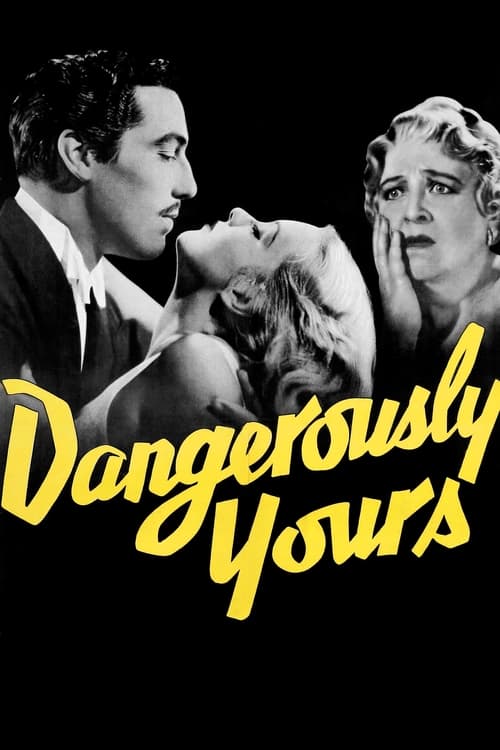
Dangerously Yours
1937
No user ratings available yet
Representation score: 2.5 out of 10
Representation Score
Minimal
1937
ApprovedDirector
William K. Howard
Runtime
77 minutes
Average Rating
No ratings yetNew Showbiz Analysis
The Squeaker is a quintessential 1930s crime mystery that prioritizes genre clichés over social complexity. It functions as a standard procedural, focusing on suspense and the restoration of order through established law enforcement. The film reinforces traditional hierarchies of gender, race, and institutional authority. The narrative structure is built around conventional courtship and a homogeneous cast, offering little disruption to the social expectations of the era. While effective as a crime drama, the work lacks the intentionality required to provide meaningful characters who reflect more than one aspect of diversity or to explore identities outside the prevailing norm.
Category Breakdown
The film adheres to traditional structures typical of 1930s crime cinema, focusing on heterosexual relationships without any depiction of same-sex intimacy.
The narrative focuses heavily on male characters, particularly the undercover inspector and criminals, while women primarily serve as emotional anchors rather than drivers of the main storyline.
The cast is predominantly homogeneous, reflecting the production standards of 1937. The localized criminal underworld lacks diverse ethnic perspectives.
The plot reinforces Western institutional frameworks by portraying Scotland Yard as the necessary resolution to chaos. It lacks any significant deconstruction of established social or legal structures.
No disabilities are portrayed who play a significant role in driving the story. The protagonist's alcoholism is framed as a character flaw for a redemption arc rather than a nuanced exploration of health or neurodivergence.
Present on Screen
Limited or Absent
Official Synopsis
London's jewel thieves are under the thumb of a mysterious fence, who ruthlessly exposes any thief who crosses him. Desperate, Scotland Yard re-hires ex-Inspector Barrabal who, as a known drunkard, is ideally suited to go undercover with a faked criminal record (which may spoil his chances with lovely Carol Stedman).
1937
1937
1941
1935
1930
1940
1952
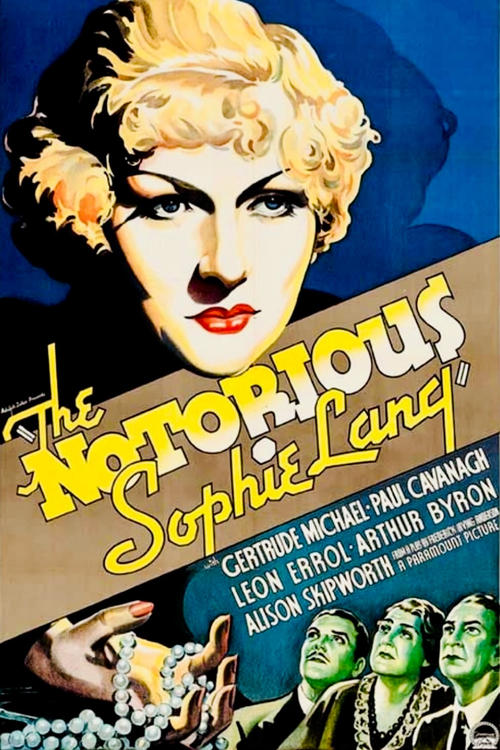
1934
No reviews yet. Be the first to share your thoughts on this movie!
Use the rating form above to leave a star rating and optional review.