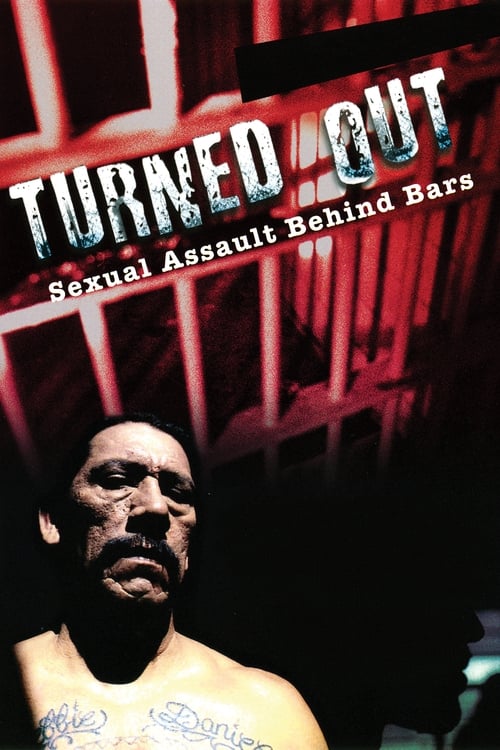
Turned Out: Sexual Assault Behind Bars
2004
No user ratings available yet
Representation score: 6.0 out of 10
Representation Score
Fair
2016
TV-14Director
Kristi Jacobson
Runtime
81 minutes
Average Rating
No ratings yetNew Showbiz Analysis
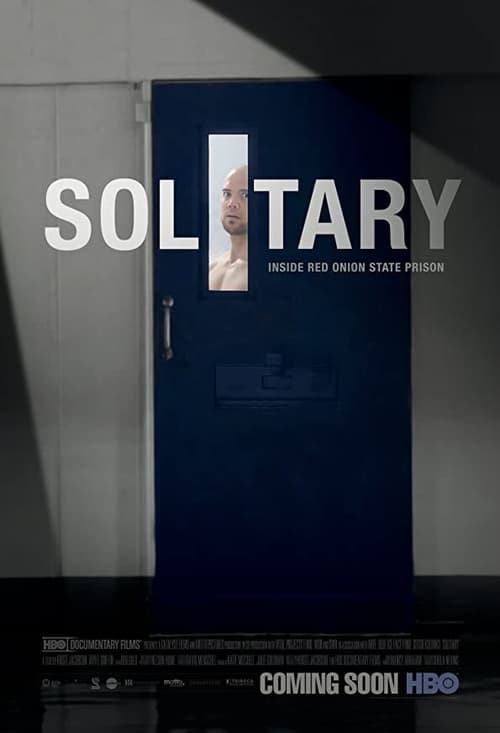
Solitary (2016) functions as a systemic critique of the American carceral system rather than a character-driven drama. It succeeds by centering the psychological realities of those in supermax confinement, particularly regarding mental health and the deconstruction of institutional power. While the film lacks representation of LGBTQ+ identities and non-straight-centered narratives, and is heavily male-dominated, these absences reflect the specific demographic reality of the prison setting being documented. The documentary's strength lies in its empathetic portrayal of the human condition under extreme isolation. Ultimately, the film moves beyond simple 'law and order' clichés to examine how systemic structures impact diverse populations and mental stability.
Category Breakdown
The film focuses on male inmates and correctional officers in a high-security setting. There is no evidence of LGBTQ+ characters or narratives exploring non-straight relationships.
The narrative is heavily dominated by male subjects, reflecting the demographic reality of the prison system. Female correctional officers provide perspectives, but the environment remains masculine-coded.
The documentary offers a nuanced look at racial demographics within the prison system. It documents how systemic factors affect diverse populations through the individual struggles of the incarcerated.
The film critiques Western institutional power by highlighting the psychological toll of isolation. It challenges the morality of state-sanctioned punishment through a global lens.
The film provides significant insight into invisible disabilities, specifically mental health and neurodivergence. It treats the struggle to maintain sanity with depth and empathy.
Present on Screen
Limited or Absent
Official Synopsis
There are 100,000 US citizens in solitary confinement across the country, a staggering number prompting comment from both President Obama and the Pope. Situated in rural Virginia, 300 miles from any urban center, Red Onion State Prison is one of over 40 supermax prisons across the US built to hold prisoners in eight-by-ten-foot cells for 23 hours a day. Filmed over the course of one year, this eye-opening film braids stark prison imagery, stories from correction officers, and intimate reflections from the men who are locked up in isolation. The inmates share the paths that led them to prison and their daily struggles to maintain their sanity.
2004
2015
2018
1967
2018

2011
2021
2016
No reviews yet. Be the first to share your thoughts on this movie!
Use the rating form above to leave a star rating and optional review.