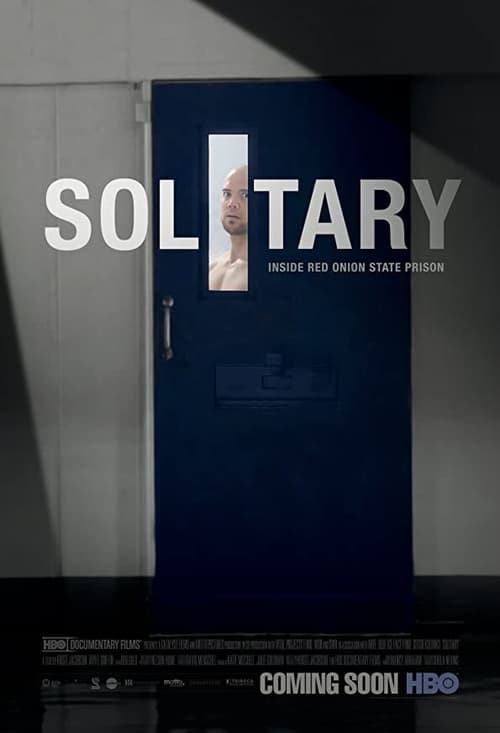
Solitary
2016
No user ratings available yet
Representation score: 5.8 out of 10

Representation Score
Fair
2018
TV-MADirector
Matthew Cooke
Runtime
102 minutes
Average Rating
No ratings yetNew Showbiz Analysis
Matthew Cooke’s documentary serves as a piece of social commentary that challenges conventional views of American institutional stability. It shifts the focus from individual morality to the systemic realities of the carceral state. The film's strength lies in its potential to deconstruct power structures and highlight the lived experiences of those underrepresented by state authority. It engages deeply with the racialized dynamics of the justice system. However, the documentary lacks specific details regarding disability representation. While it likely addresses gendered hierarchies and LGBTQ+ vulnerability, the depth of these specific portrayals remains unconfirmed.
Category Breakdown
The film likely examines how individuals with diverse gender identities navigate a system that assumes everyone is straight or cisgender. It focuses on their survival and vulnerability within such settings.
The documentary critiques the rigid, violent hierarchies of masculinity found in correctional environments. This approach challenges traditional depictions of stable male leadership within the system.
The film centers on the intersection of race and state authority. It highlights the disproportionate impact of the justice system on underrepresented racial and ethnic communities.
The narrative prioritizes a sociological critique of Western institutional structures. It frames the prison experience as a matter of systemic navigation rather than individual morality.
There is no confirmed information regarding the depiction of neurodivergence or physical disability. Consequently, no specific representation can be verified.
Present on Screen
Limited or Absent
Official Synopsis
Today, you're more likely to go to prison in the United States than anywhere else in the world. So in the unfortunate case it should happen to you - this is the Survivors Guide to Prison.
2016
2015
2004

2020

2003

2011

2018

1967
No reviews yet. Be the first to share your thoughts on this movie!
Use the rating form above to leave a star rating and optional review.