Mysterious Island
2012
No user ratings available yet
Representation score: 2.4 out of 10
Representation Score
Limited
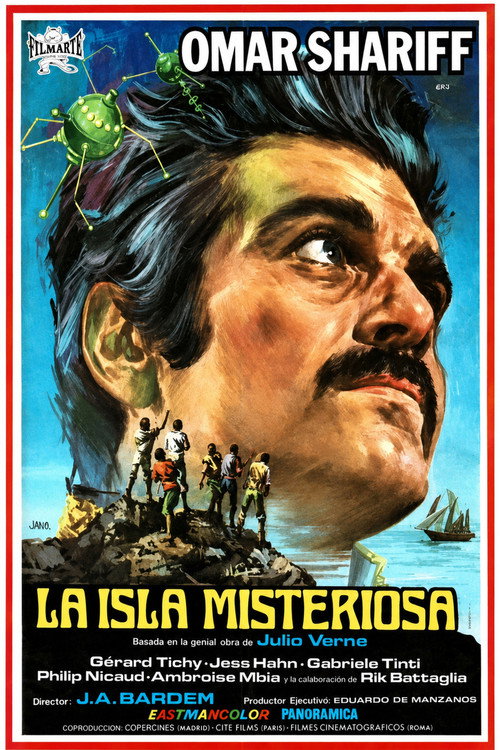
1973
PGDirector
Henri Colpi, Juan Antonio Bardem
Runtime
96 minutes
Average Rating
No ratings yetNew Showbiz Analysis
The film adheres to conventional adventure clichés of its era, prioritizing a period-specific survival drama over social deconstruction. While the involvement of director Juan Antonio Bardem suggests potential for social critique, the actual character dynamics remain quite traditional. The narrative relies heavily on established hierarchies, particularly regarding gender and race. The central ability to act of the plot is driven by a male-dominated group, which limits the scope of the social landscape. While Nab provides a baseline of racial diversity within the ensemble cast, his lack of independent ability to act reinforces the era's systemic power structures. The film functions more as a genre piece than a work designed to disrupt identity-based norms.
Category Breakdown
The film does not include any explicit LGBTQ+ characters or narratives. The ensemble focuses on traditional survivalist dynamics without visible non-cisgender identities or same-sex relationships.
The cast is predominantly male, centered around a group of men. This absence of female characters reinforces traditional masculine leadership structures within the plot.
Nab, a Black servant, adds some racial diversity to the cast. However, his role as a servant to the lead engineer reflects the hierarchical social structures of 1865.
The setting mirrors established Western social hierarchies through the relationship between the leader and his servant. The narrative does not show explicit anti-Western or anti-capitalist sentiments.
No characters are depicted with visible or invisible disabilities. Cyrus Smith's memory loss serves as a plot device for mystery rather than a nuanced exploration of neurodivergence.
Present on Screen
Limited or Absent
Official Synopsis
1865, The American Civil War: Five POW manage to escape by balloon from Fort Richmond. Caught in a storm and with the balloon damaged they find themselves 'shipwrecked' on a volcanic desert island somewhere in the Pacific. Just before crash landing their leader, the brilliant engineer Cyrus Smith falls to his apparent death in the raging waters, but later turns up completely unharmed and with no memory of how he was saved. His fellow castaways are: the famous journalist Gedeon Spilett, the salty sailor Bonaventure Pencroff, the orphaned boy Harbert Brown and the black servant of Smith, Nab. The dog Top also joined them in the escape.
2012
1961
1951

1951

1941

1958

1965

1952
No reviews yet. Be the first to share your thoughts on this movie!
Use the rating form above to leave a star rating and optional review.