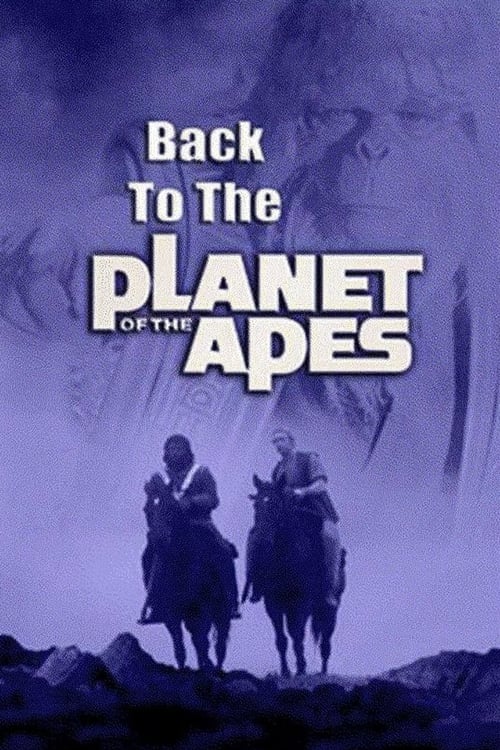
Back to the Planet of the Apes
1980
No user ratings available yet
Representation score: 4.3 out of 10

Representation Score
Fair
1980
Not RatedDirector
Bernard McEveety, Don McDougall
Runtime
95 minutes
Average Rating
No ratings yetNew Showbiz Analysis
The film uses species-based metaphors to explore systemic power and institutional corruption. While it provides some depth regarding the collapse of human civilization, it lacks broad identity-based representation. The narrative focuses on a trio of male astronauts, which limits the film's gender diversity. It also lacks LGBTQ+ representation. Overall, the film effectively uses its setting to critique social hierarchies but falls short in providing diverse character representation.
Category Breakdown
The film doesn't include any explicit LGBTQ+ characters or identities. The main focus is on a trio of male astronauts and a chimpanzee companion.
The story centers around three traditionally masculine astronauts, leaving female characters without much influence or ability to act. This limits the film's gender diversity.
Species-based hierarchies act as metaphors for racial and ethnic stratification. Including a chimpanzee named Galen alongside humans suggests a narrative about social integration.
The film critiques historical legacies through the discovery of records from a fallen human civilization. It depicts an oppressive, centralized ape hierarchy to explore systemic conflict.
There is no mention of characters facing physical, sensory, or neurodivergent challenges. The narrative does not include any representation of disability.
Present on Screen
Limited or Absent
Official Synopsis
Human astronauts Burke and Virdon, with their chimp companion Galen, are forced to become involved in the strange gladiatorial games of the district run by prefect Tolar. The trio escape the gorilla police and find an abandoned government research project with a computer containing a vast amount of recording information about the old human-ruled world. [The second of five telefilms edited from episodes of the 1974 TV series; this film combines the episodes "The Gladiators" and "The Legacy"]
1980
1970
1980
1971

1980

1973
1980

1968
No reviews yet. Be the first to share your thoughts on this movie!
Use the rating form above to leave a star rating and optional review.