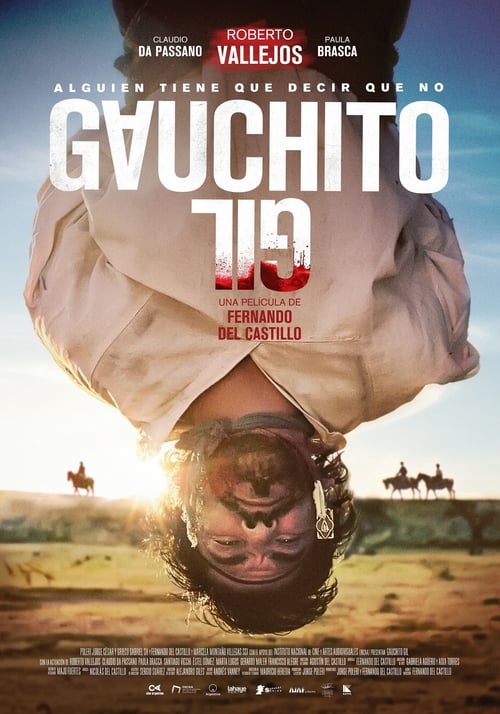
Gauchito Gil
2020
No user ratings available yet
Representation score: 4.2 out of 10
Representation Score
Limited
2018
Director
Tabajara Ruas
Runtime
94 minutes
Average Rating
No ratings yetNew Showbiz Analysis
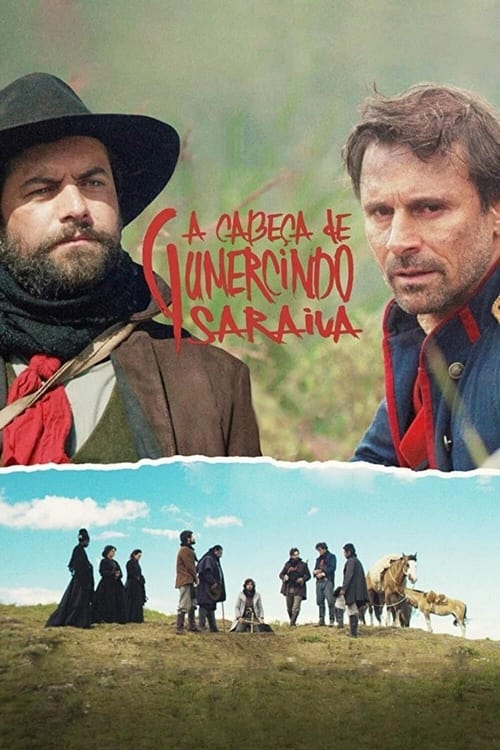
The film operates as a traditional historical Western, focusing on themes of vengeance and the moral complexities of war. Its narrative structure is driven by masculine archetypes and individual ability to act, following the genre's conventions. While the film offers a nuanced look at the moral ambiguity of conflict and critiques institutional corruption, it lacks a systemic commitment to diverse representation. The focus remains on a cycle of violence and familial retribution. Ultimately, the work functions as a period piece that explores personal ethics rather than social hierarchy subversion.
Category Breakdown
The film centers on a traditional masculine narrative focused on military conflict. There are no characters with non-binary or LGBTQ+ identities, nor are there any narratives that question the assumption that everyone is straight or cisgender.
The story emphasizes male-driven action and follows a patriarchal line of inheritance. It adheres to a conventional masculine framework without challenging typical gender roles.
Set in 1895 Brazil, the film reflects the socio-political dynamics of the time. It does not provide specific details about ethnic diversity or intentionally disrupt homogeneous casting norms.
The narrative explores the moral ambiguity of civil war and the deconstruction of honor. It portrays the state as a source of grotesque violence, highlighting institutional corruption.
There are no characters with visible or invisible disabilities mentioned in the provided context.
Present on Screen
Limited or Absent
Official Synopsis
A fiction based on true events, which happened at the end of the Federalist Revolution in 1895, in the south of Brazil. When Gumercindo Saraiva was killed in an ambush and buried at graveyard at some roadside, the legalists discovered it, unburied the body, and cut its head off so it would be taken to the Governor as a war trophy. Major Ramiro de Oliveira and two men were chosen for the unusual task. The film tells the saga of the Capitan Franciso Saraiva, son of Gumercindo, and his team of five riders in the attempt to recover his father's head. The moments of approximation and distancing between the pursued and the pursuers, the confrontation and the conflicts, the duels that happened on both sides until the final encounter, when there are only Ramiro and Francisco left standing; all these events are thoroughly narrated in the film. The lessons learned in the journey blossom at end and both men, due to everything they went through, decide for an honorable outcome for them both.
2020

1964
1987
2001
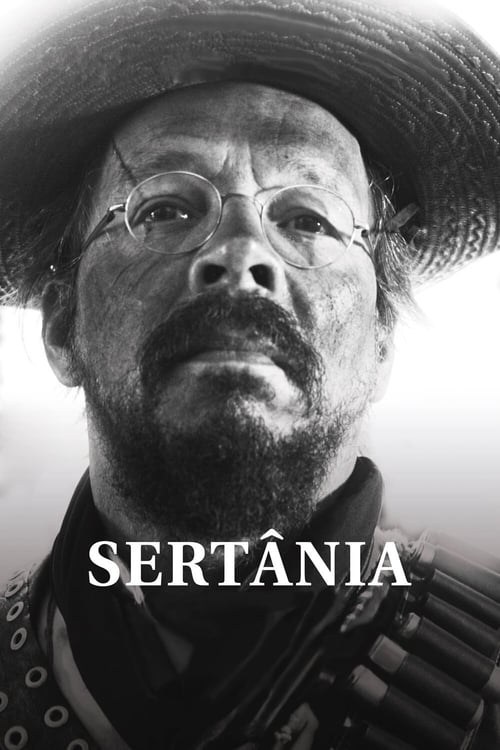
2020
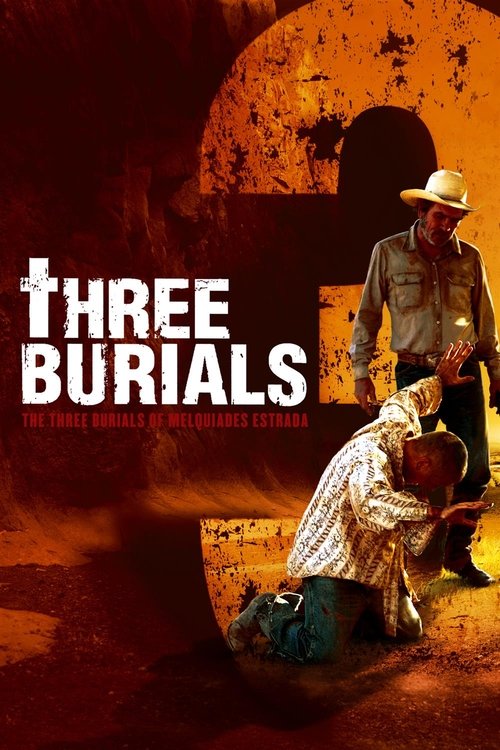
2005
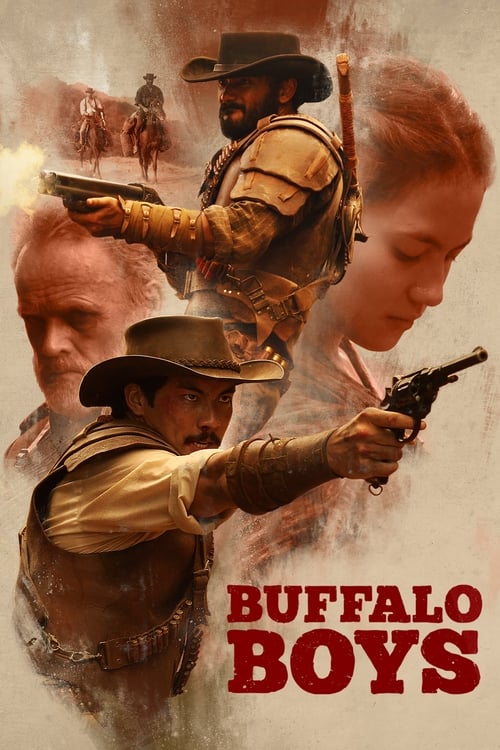
2018
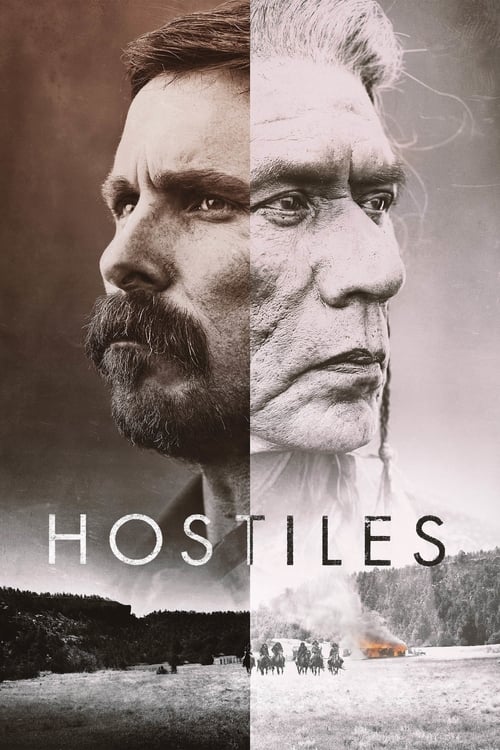
2017
No reviews yet. Be the first to share your thoughts on this movie!
Use the rating form above to leave a star rating and optional review.