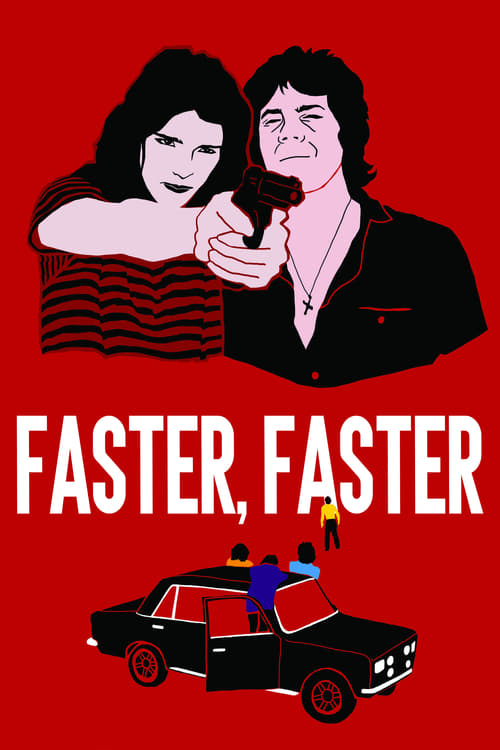
Faster, Faster
1981
No user ratings available yet
Representation score: 7.3 out of 10

Representation Score
Fair
1996
Director
Carlos Saura
Runtime
110 minutes
Average Rating
No ratings yetNew Showbiz Analysis
Carlos Saura’s film serves as a gritty social critique of urban tensions in Madrid. It uses a domestic setting to expose the friction between familial loyalty and systemic intolerance, particularly through the lens of a daughter's disillusionment with her father's extremist affiliations. The work excels at deconstructing patriarchal hierarchies and critiquing reactionary social movements. By framing the taxi industry as a microcosm for societal conflict, it highlights the tension between blood loyalty and civic morality. However, the film's diversity is limited by its perspective. underrepresented groups, including immigrants and LGBTQ+ individuals, are often framed as subjects of conflict or targets of violence rather than characters with their own choices.
Category Breakdown
LGBTQ+ individuals are shown mainly as victims of hate and violence. They have little control over their situations and serve as examples of the extremist group's cruelty.
The protagonist challenges traditional gender roles by driving the narrative through her moral awakening. She acts as a primary observer and judge, questioning her father's authority.
Immigrant populations are portrayed through the lens of conflict. The film acknowledges Madrid's multiculturalism but focuses on the reactionary response to diversity rather than the immigrant experience itself.
The film critiques rigid, exclusionary social hierarchies and xenophobic movements. It explores the dark side of community bonding and the corruption of local social structures.
There is no evidence of characters with disabilities serving as central narrative drivers or plot devices within the film.
Present on Screen
Limited or Absent
Official Synopsis
A young girl, after failing an exam, is forced by her father, a taxi-driver, to learn his profession. Soon she discovers that her father is not only a driver but also a member of a racist group eliminating immigrants, homosexual, transvestite, etc. people. She also falls in love with a boy, also a taxi-driver and a "socio" of the group.
1981

2000
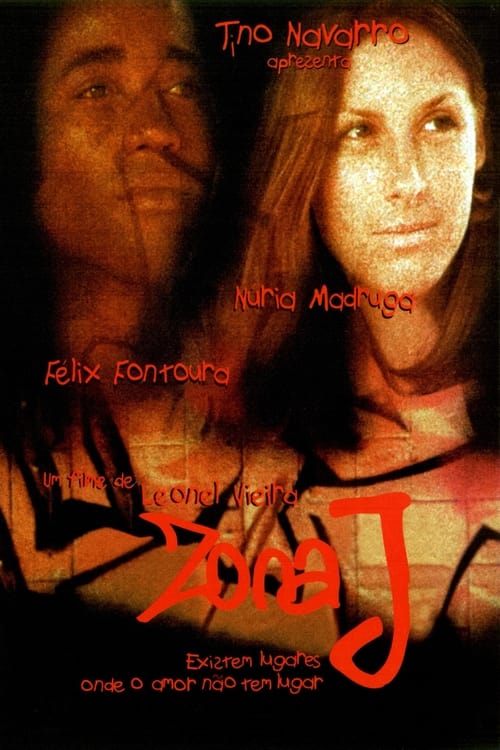
1998

2013
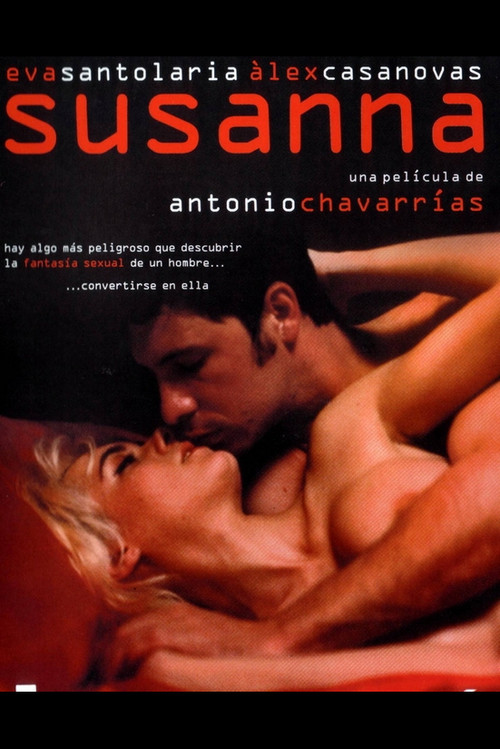
1996

1989
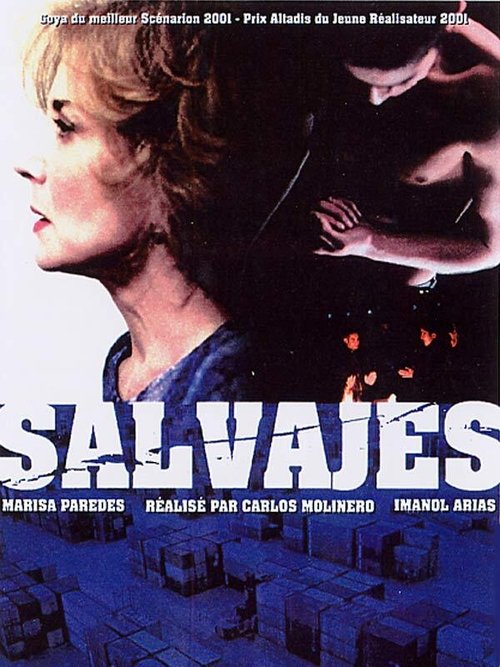
2001

2004
No reviews yet. Be the first to share your thoughts on this movie!
Use the rating form above to leave a star rating and optional review.