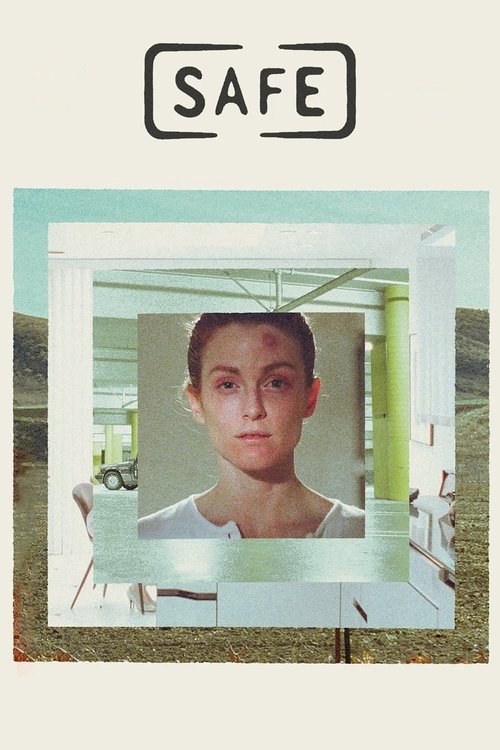
Safe
1995
No user ratings available yet
Representation score: 7.5 out of 10

Representation Score
Fair
1974
TV-MADirector
David Lynch
Runtime
6 minutes
Average Rating
No ratings yetNew Showbiz Analysis
David Lynch uses a surrealist structure to deconstruct social norms and traditional storytelling. The film centers on a double amputee, placing physical impairment at the heart of the conflict rather than using it as a sentimental device. While the film avoids the 'inspirational' cliché, it lacks specific data regarding racial or LGBTQ+ identities. The narrative relies on the tension between the protagonist and her nurse to drive its psychological depth. Ultimately, the work presents a complex, individualized perspective that challenges conventional morality and social hierarchies.
Category Breakdown
The film doesn't explicitly confirm any queer identities or romantic relationships. However, the tension between the protagonist and her nurse hints at non-traditional interpersonal dynamics that move away from straight relationships.
A female protagonist drives the narrative through her intellectual pursuits and physical vulnerability. Her interactions with the nurse suggest a disruption of traditional caregiver hierarchies, emphasizing her control over the story.
The narrative focuses primarily on a specific interpersonal interaction. Given the limited scope of the synopsis, there is no information regarding racial or ethnic diversity.
The film explores themes of isolation and the breakdown of communication. It avoids promoting cohesive Western institutional values, favoring a subjective reality that deconstructs ordered social environments.
Disability is central to the narrative, focusing on a double amputee. The film avoids sentimental clichés, instead framing the condition through frustration and interpersonal friction.
Present on Screen
Limited or Absent
Official Synopsis
A double amputee attempts to write a letter while her nurse gets in the way.
1995
1977
2014

1974

1985
1964
2004
1974
No reviews yet. Be the first to share your thoughts on this movie!
Use the rating form above to leave a star rating and optional review.