
We Were Once a Fairytale
2009
No user ratings available yet
Representation score: 6.0 out of 10
Representation Score
Fair
2013
Director
Janusz Kaminski
Runtime
10 minutes
Average Rating
No ratings yetNew Showbiz Analysis
Janusz Kaminski's anthology is a high-art experiment that emphasizes aesthetic texture over deep storytelling. By focusing on single lines of dialogue and cinematic styles, the work serves as a tribute to film history rather than a platform for social discourse. The project benefits from an eclectic group of screenwriters and a global cast of actors, providing a base level of inclusion despite the limited scope for exploring complex identities due to the brief format. Ultimately, the lack of a sustained storyline prevents the examination of social structures, keeping the work focused on formalist exercises.
Category Breakdown
The vignettes serve as quick looks at different styles rather than in-depth character studies. The short format doesn't allow for the development of detailed LGBTQ identities or critiques of the assumption that everyone is straight.
The project emphasizes paying homage to various cinematic periods. There's no indication of systemic sexism or intentional overturning of traditional gender roles.
The project includes a diverse, international cast thanks to the varied writers and global actors involved. However, it's unclear if the casting challenges the idea that everyone is white or Western.
This project focuses on cinematic aesthetics and appreciation of art. It avoids discussing political, religious, or socioeconomic issues in favor of visual composition.
There is no clear depiction of physical or neurodivergent disabilities within these short vignettes.
Present on Screen
Limited or Absent
Official Synopsis
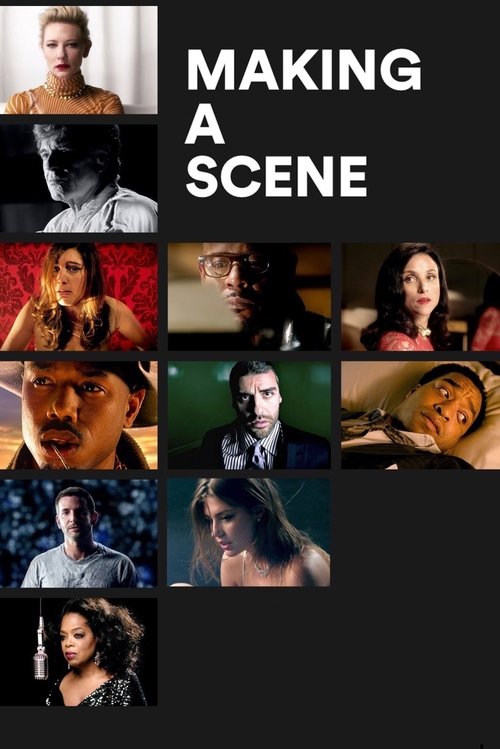
For this year's Movies Issue, The New York Times Magazine commissioned lines from an eclectic and talented group of screenwriters — writers responsible for some of the best scripts of 2013. We asked them each to write a single line for us — not a scene, a script or a scenario, but simply an intriguing, amusing or captivating line of dialogue. Then we gave these lines to one of the great movie artists of our time: the cinematographer Janusz Kaminski, a two-time Oscar winner. Kaminski used these lines as inspiration to create 11 original (very) short films. Each short evokes a style or genre of the cinematic past and stars an actor who gave an especially memorable performance in 2013.
2009
2007
2019
2013
2015

2004
2010
2013
No reviews yet. Be the first to share your thoughts on this movie!
Use the rating form above to leave a star rating and optional review.