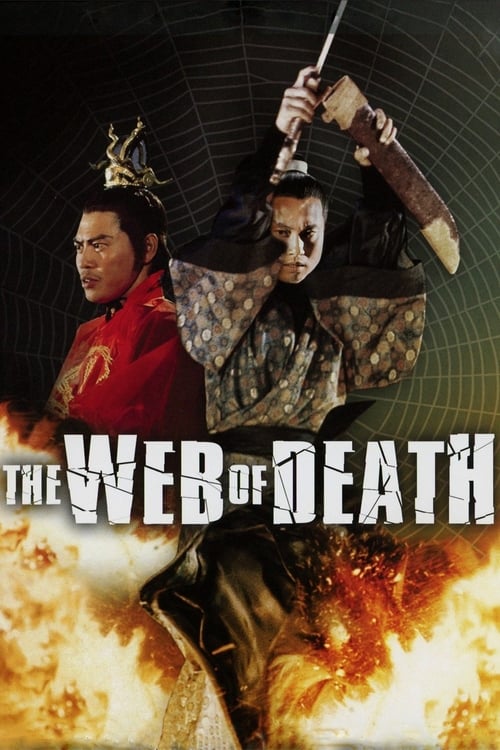
The Web of Death
1976
No user ratings available yet
Diversity score: 4.9 out of 10
1985
Director
Cha Chuen-Yee
Runtime
92 minutes
Average Rating
No ratings yetSynopsis
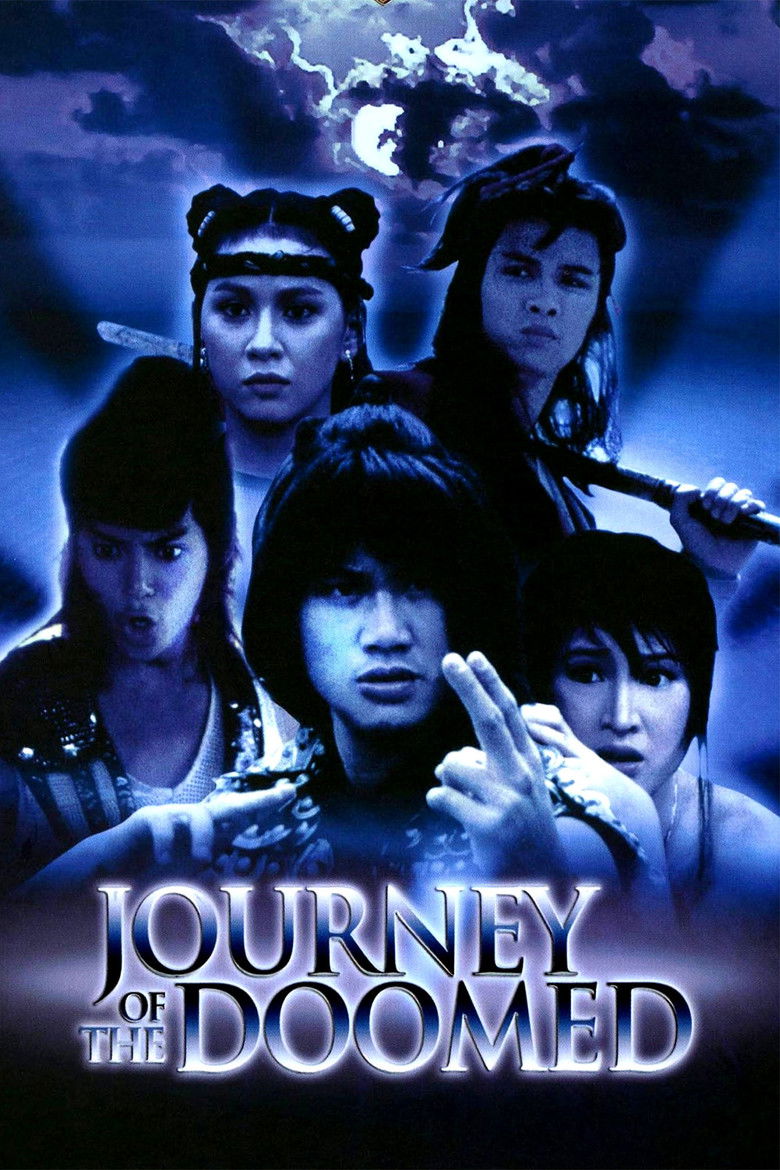
Journey of the Doomed stars Tung Wei as a knight that finds himself protecting the life of a beautiful young lady being stalked by a bunch of assassins headed by kung-fu actress extraordinaire Hui Ying-hung. Tung Wei was the kid that Bruce Lee slaps on the head at the beginning of Enter The Dragon. He went on to kung-fu stardom before becoming a highly successful fight director for Jet Li and Jackie Chan.
Overall Score
Limited
Category Breakdown
LGBTQ+ Representation
The film centers on a traditional protector-and-protected dynamic. There is no evidence of non-cisnormative identities or narratives that critique heteronormativity.
Gender Representation
A male protagonist serves as the primary agent of physical agency. However, Hui Ying-hung provides a disruption to gender roles as a powerful, combat-expert antagonist.
Racial & Ethnic Diversity
The film features a predominantly East Asian cast. This represents a departure from Western-centric casting norms through its focus on localized martial arts archetypes.
Religious & Cultural Diversity
The story reinforces traditional notions of honor and the duty of the strong. It operates within classical heroic structures rather than offering secularist critiques.
Disability Representation
No visible or invisible disabilities are depicted as central to the character arcs or plot progression.
Strengths
Areas for Improvement
AI Analysis
Journey of the Doomed is a quintessential example of 1980s Hong Kong action cinema. It leans heavily into established martial arts tropes, prioritizing traditional hierarchies and chivalric archetypes over narrative subversion. The film excels in providing a platform for East Asian talent, featuring Tung Wei and Hui Ying-hung. While the gender dynamics are largely conventional, the presence of a female lead antagonist offers a notable moment of combat agency. Ultimately, the film functions as a genre piece that reinforces standard heroic structures. It lacks significant representation of LGBTQ+ identities or disability-focused narratives, remaining firmly within the period's mainstream conventions.
1976
1978

1983
1971
1981
1968
1976
1973

1980
1980
1976
1977
No reviews yet. Be the first to share your thoughts on this movie!
Use the rating form above to leave a star rating and optional review.