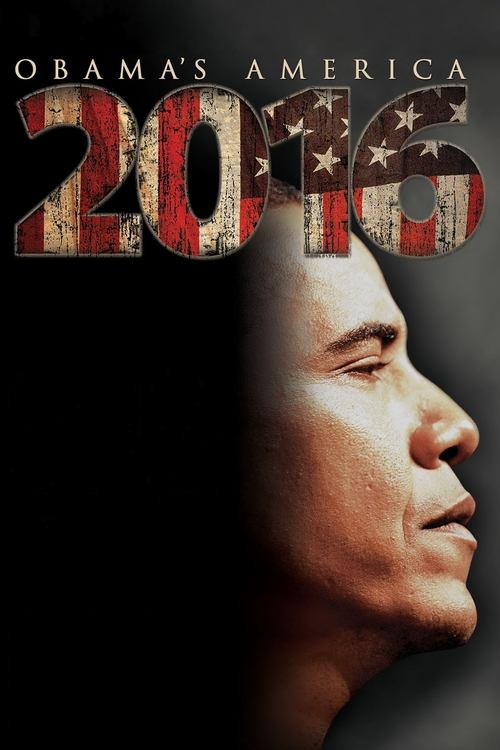
2016: Obama's America
2012
No user ratings available yet
Representation score: 0.9 out of 10
Representation Score
Minimal
2014
PG-13Director
Dinesh D'Souza, John Sullivan
Runtime
103 minutes
Average Rating
No ratings yetNew Showbiz Analysis
The documentary is a deliberate counter-narrative designed to defend traditional American identity and Western institutions. It rejects modern progressive frameworks and storytelling that reflects multiple aspects of identity in favor of a defense of national exceptionalism. Instead of exploring diverse identities, the film focuses on the impact of European colonial structures and the rise of the United States. The narrative structure is built to uphold established Western political models. Because the work actively critiques anti-Western sentiments and postmodernism, it avoids the deconstruction of power dynamics. This results in a film that lacks representation of underrepresented groups or contemporary identity-based narratives.
Category Breakdown
The documentary does not address LGBTQ+ identities or non-traditional gender expressions. Its focus is solely on geopolitical and historical themes.
The film emphasizes macro-level political history rather than gender hierarchies. It upholds traditional historical views of leadership within Western structures.
The narrative prioritizes Western civilization and American exceptionalism over diverse contemporary portrayals. It avoids discussions of multi-layered identities to focus on institutional success.
The film acts as a rebuttal to post-colonial critiques, defending Western institutions like capitalism and democracy. It promotes a traditionalist view of Western morality.
There is no representation of physical, neurodivergent, or mental health conditions. The framework is purely historical and political.
Present on Screen
Limited or Absent
Official Synopsis
A story that questions the shaming of the US through revisionist history, lies and omissions by educational institutions, political organizations, Alinsky, Barack Obama, Hillary Clinton, and other progressives to destroy America.
2012
2012
2016
2005

2017
2019
2012

2015
No reviews yet. Be the first to share your thoughts on this movie!
Use the rating form above to leave a star rating and optional review.