
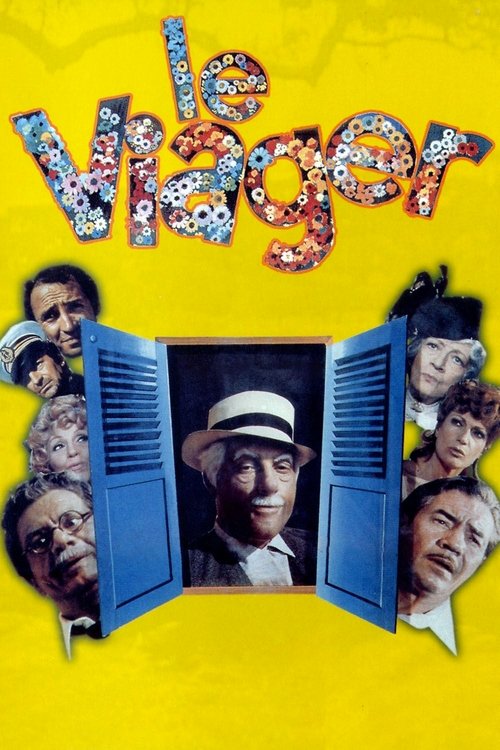
Some Like It... Cold
1960
No user ratings available yet
Representation score: 6.4 out of 10
Representation Score
Fair
1972
Director
Pierre Tchernia
Runtime
100 minutes
Average Rating
No ratings yetNew Showbiz Analysis
The film primarily serves as a social satire rather than a work focused on diverse representation. It prioritizes the subversion of social expectations and the critique of opportunistic authority figures over demographic breadth. While the film lacks modern identity-politics frameworks, it successfully deconstructs professional hierarchies. It celebrates individual resilience against systemic exploitation and greed. Ultimately, the work is a period-specific comedy that focuses on domestic and professional interactions within a homogeneous French social setting.
Category Breakdown
The film does not include any explicit LGBTQ+ characters or stories. The main plot revolves around a transactional relationship between a man and a doctor, adhering to traditional social structures.
The story emphasizes the role of Louis Martinet, a male protagonist. While he challenges the frail elderly stereotype, the overall conflict is framed through a male-centric perspective.
Set in Saint-Tropez, the film features a homogeneous cast with no indication of racial blending or non-white majority representation within the social dynamics shown.
The narrative provides a sophisticated critique of Western medical institutions, portraying professional greed and exploring moral relativism through the lens of capitalist opportunism.
The plot delves into the vulnerability of the aging body and medical prognosis. Martinet's defiance of his perceived mortality highlights his reclaiming of biological control.
Present on Screen
Limited or Absent
Official Synopsis
In 1930, Louis Martinet, a peaceful sexagenarian, no longer has a long life to live according to the words of his doctor, Leon Galipeau, who sees to take advantage of the very interesting situation of the "future deceased". This one indeed has a small house in Saint-Tropez. Galipeau sniffs the windfall. Following his advice, Martinet agrees to give it in life to the brother of the doctor, Emile, and then rushes back to a health of iron. Worse, he even survives the war. Galipeau, exhausted, decide to use the great means to get rid of the importunce who persists in thwarting their project ...
1960
1982

2007
1991
1950
1978
1951

1959
No reviews yet. Be the first to share your thoughts on this movie!
Use the rating form above to leave a star rating and optional review.