The Hole
2015
No user ratings available yet
Representation score: 2.9 out of 10
Representation Score
Fair
2007
Director
Igor Cobileanski
Runtime
76 minutes
Average Rating
No ratings yetNew Showbiz Analysis
Tache is a character-driven dark comedy that prioritizes existentialist themes over social advocacy. While it offers a sharp critique of how economic status dictates the quality of one's final existence, the film lacks broad multi-layered breadth. The narrative effectively uses the protagonist's struggle against bureaucratic and economic barriers to highlight systemic inequities. However, the focus remains narrow, centered largely on a male-dominated environment and a homogeneous cultural landscape. Ultimately, the film functions as a study of mortality and social stratification rather than a vehicle for diverse representation.
Category Breakdown
The film does not feature any characters or storylines centered around LGBTQ+ identities. Instead, it focuses on the protagonist's existential and material concerns within a traditional social setting.
The story centers on a male protagonist within a male-dominated labor environment. It lacks significant female characters exercising high ability to act or subverting traditional gender roles.
As a Moldovan production, the film depicts a culturally specific, relatively homogeneous population. It reflects its specific geographic context rather than showcasing diverse racial backgrounds.
The film critiques social prestige and class-based access to dignity. The protagonist's struggle against rigid social hierarchies highlights systemic inequities found in local institutions.
The protagonist's terminal illness drives the plot but serves primarily as a catalyst for existential comedy. It lacks a nuanced exploration of living with a physical disability.
Present on Screen
Limited or Absent
Official Synopsis
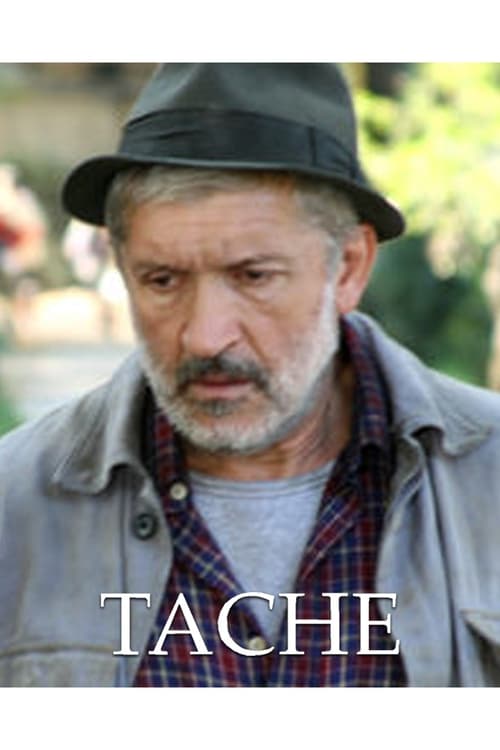
Tacke, an old graveyard digger, finds out he has only two months left to live. This is the moment he discovers he does want something out of life: a glamorous funeral service in the cemetery's « downtown » area, where he had spotted for a long time an splendidly situated burial site. Everything goes smoothly, especially that the town's luxury funeral home has just acquired Lady Di's hearth. Tacke has some money for the funeral ceremony, he also has some friends who would mourn for him, but he is out of luck: the funeral site he was hoping to acquire was just given to somebody else.
2015
1982

2010

2016
2010
2002

2017
1997
No reviews yet. Be the first to share your thoughts on this movie!
Use the rating form above to leave a star rating and optional review.